
Highultraviolet (UV) levels have highlighted a growing public health concern. While sunlight is essential for wellbeing, excessive exposure carries serious risks for the skin, eyes and overall health.
What Is UV And Why It Matters
UV radiation is emitted by the Sun and reaches the Earth’s surface, where it plays a vital role in helping the body produce vitamin D. This supports bone health, blood function and the immune system.
However, UV exposure also has harmful effects. It can damage the DNA in skin cells, increasing the risk of skin cancer, while also accelerating skin ageing by causing wrinkles and loss of elasticity. Prolonged exposure has also been linked to eye conditions such as cataracts.
Every instance of overexposure, especially sunburn, adds to the long-term risk of skin cancer. Melanoma, the most aggressive form, is now among the most common cancers in many countries.
What The UV Index Means
The UV Index (UVI) measures the strength of ultraviolet radiation.
- Low (1–2): Minimal risk, no protection generally needed
- Moderate (3–5): Some protection required
- High (6–7): Increased risk, protective measures essential
- Very High (8–10): Extra protection needed
- Extreme (11+): Maximum precautions required
Levels are typically highest around midday, when the sun is at its peak. Importantly, UV exposure is not directly linked to temperature, meaning skin damage can occur even on cooler or cloudy days.
How To Protect Yourself
Simple, consistent precautions can significantly reduce risk:
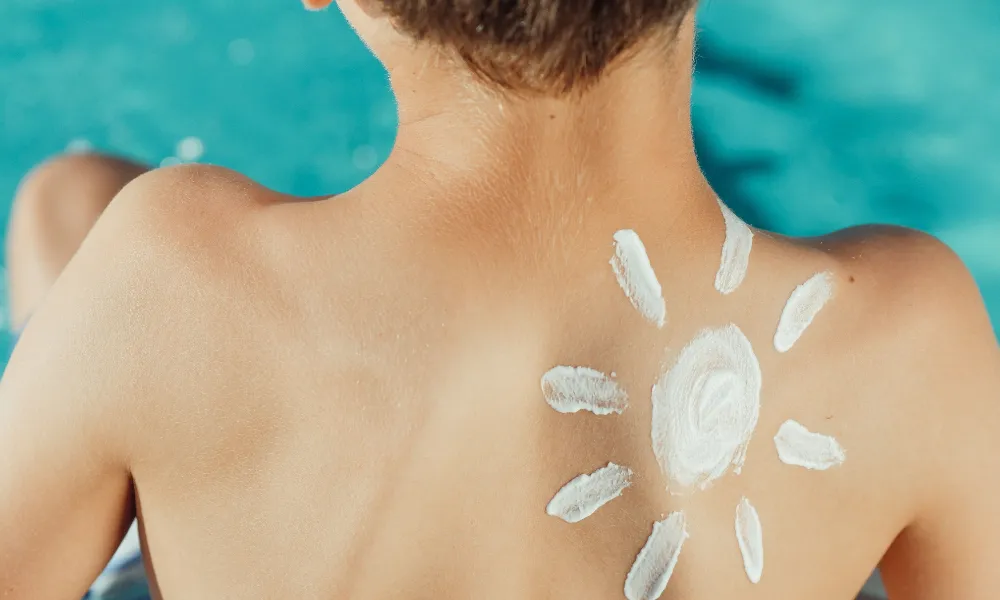
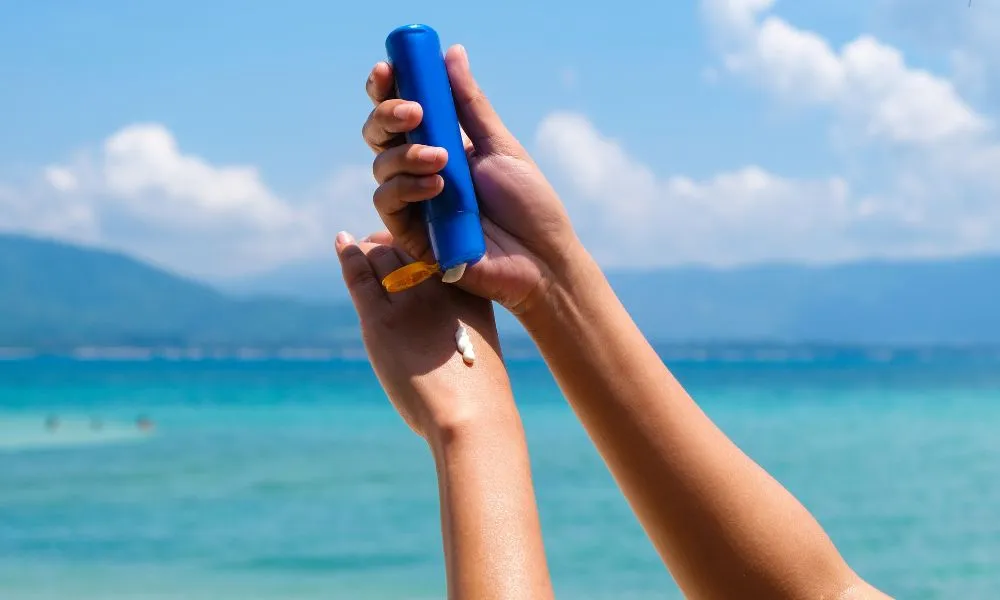
- Apply broad-spectrum sunscreen (SPF 30+ with UVA protection) at least 30 minutes before sun exposure
- Reapply sunscreen every two hours, or after swimming or sweating
- Cover exposed skin with clothing and wear sunglasses
- Seek shade, especially between late morning and mid-afternoon
- Avoid allowing water to accumulate in outdoor spaces, which can increase insect exposure in hot weather
Children require extra protection, as their skin is more sensitive to UV radiation.
The Myth Of A “Safe Tan”
There is no safe or healthy way to tan. Skin darkening is a response to UV damage, not protection. Any perceived “base tan” offers minimal defence, leaving the skin vulnerable to burning and long-term harm.
Self-tanning products are a safer alternative for those seeking cosmetic results.
Risks Across All Skin Types
While darker skin may provide some natural protection, it does not eliminate risk. Skin cancer and UV-related damage can affect people of all skin tones.
Beyond skin cancer, excessive UV exposure can also weaken the immune system and damage the eyes, underlining the need for consistent protection regardless of complexion.
Source: BBC