
Stress can influence appetite in different ways. Some people lose interest in food, while others reach instinctively for something crisp or crunchy.
That preference may not be entirely accidental. Researchers examining the connection between eating behaviour and mood suggest that chewing can briefly occupy the brain and help interrupt a cycle of anxious thoughts.
What happens when we chew
Crunchy food creates a strong sensory experience. The brain registers the taste and texture, but also the sound of each bite and the movement of the jaw.
Focusing on these sensations can bring attention back to what is happening in the present. This may provide a short mental break during a stressful day, particularly when the food is eaten slowly and without other distractions.
Research has also explored whether chewing affects the body’s stress response. Some findings associate vigorous chewing with reduced cortisol levels and a calmer response following periods of pressure.
The evidence does not mean that chewing treats anxiety. At most, it may offer temporary relief from everyday tension.
Better alternatives to crisps and sweets
Stress often leads people towards highly processed comfort foods. These products are designed to be appealing, but they may contain large amounts of salt, saturated fat or added sugar.
A similar crunchy sensation can be found in foods with greater nutritional value, including:
- Fresh apples or pears
- Carrot and cucumber sticks
- Celery or sliced peppers
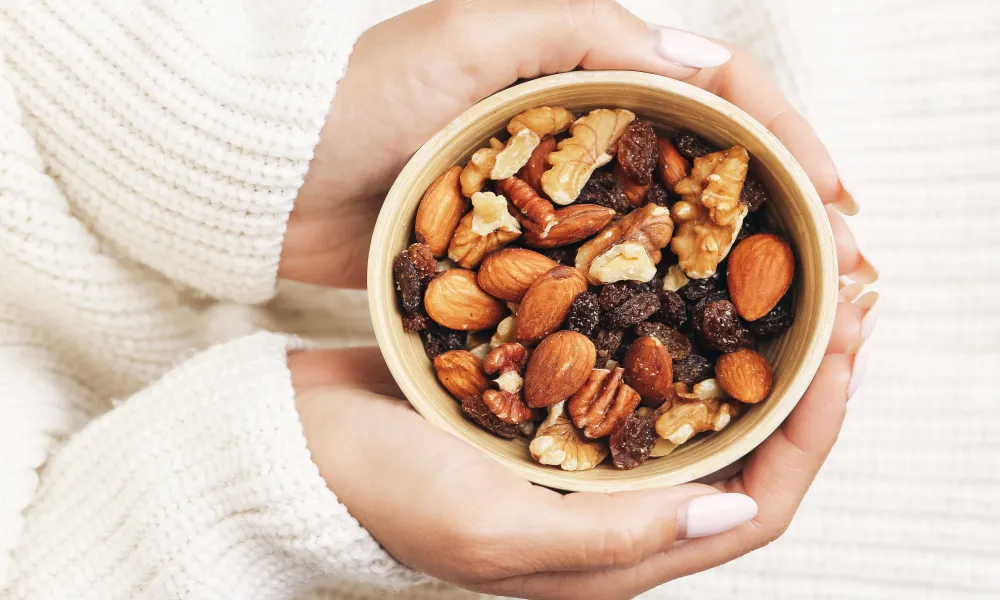
- Unsalted nuts
- Oven-roasted chickpeas
- Wholegrain crackers
As well as satisfying the desire to crunch, these choices can provide fibre, vitamins, healthy fats and longer-lasting fullness.
Slow down while eating
A snack is less likely to feel satisfying when it is eaten automatically in front of a screen.
Putting the phone aside and paying attention to the flavour, sound and texture of the food can make the experience more noticeable. It may also help the body recognise when it has had enough.
This approach, often described as mindful eating, is not a cure for stress. It can, however, reduce distracted eating and turn a routine snack into a deliberate pause.
Food is only one part of the picture
Diet can support general wellbeing, but no individual food can remove anxiety.
Regular sleep, physical activity and appropriate psychological or medical support remain far more important when stress becomes persistent or begins to affect daily life.
A nutritious crunchy snack may simply offer a small moment of focus and comfort, rather than acting as a natural sedative or substitute for treatment.
Source: Vita.gr