
The Independent Authority Against Corruption (IAAC) on 16 June 2026 published the results of its investigation into allegations contained in the 2022 book Mafia State by journalist Makarios Drousiotis. The inquiry ran for over three years and produced a final report of nearly 3,000 pages. It identified potential corruption offences spanning the judiciary, the Attorney General's office, government ministries, the banking sector, and the office of the former president.
The IAAC has adopted findings against 14 individuals and entities and will refer the full report to the Attorney General. All persons named are presumed innocent. Courts alone determine guilt.
The former president: Nikos Anastasiades
Former President of the Republic of Cyprus (2013–2023); former President of DISY
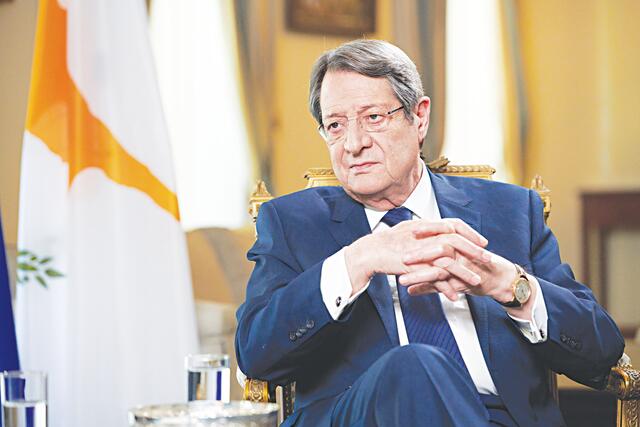
Anastasiades served two consecutive terms as President of the Republic of Cyprus. Before assuming office he led the Democratic Rally (DISY) and sat as a member of parliament. He maintained a general partner role in the law firm Nikos Chr. Anastasiades & Associates until formally resigning on 26 February 2013, the day he took office.
The IAAC identified seven potential counts against him across four separate areas. Three involve trading in influence: inspectors found reasonable suspicion that he received an undue advantage through a disguised payment of €250,000 from Laiki Bank to support his 2013 presidential campaign; that he used his political position to intervene in the naturalisation process of two Russian oligarchs on behalf of his law firm; and that he accepted free use of a private jet belonging to Russian oligarch Leonid Lebedev in 2013. One count concerns felony abuse of authority: inspectors concluded he intervened with the then Attorney General in an attempt to halt the Focus Maritime investigation. Three further counts relate to misdemeanour abuse of authority or attempted abuse: pressuring the Financial Intelligence Unit to investigate his own law firm in a manner designed to secure a public clearance; intervening to advance a private company's interests over a property in Dromolaxia; and arranging the unlawful entry of a Turkish national into the free areas of Cyprus.
Seven potential counts against a former head of state are without precedent in Cypriot legal history. The breadth of the allegations — spanning judicial influence, bank payments, misuse of naturalisation procedures, interference with prosecutorial independence, and abuse of executive power — places Anastasiades at the centre of virtually every major strand of the inquiry.
The law firm and its partners: Stathis Lemis
Partner, Nikos Chr. Anastasiades & Associates
Lemis was a general partner in the law firm, which operated as one of the largest introducer intermediaries for Cyprus's banking sector during the financial boom years of the 2000s.
Inspectors identified reasonable suspicion of trading in influence in connection with the firm's role in channelling funds — including the alleged €250,000 payment from Laiki Bank — through offshore shell companies in the British Virgin Islands. A suspicion of money laundering also attaches to the systematic use of those offshore vehicles to conceal the true nature and beneficiaries of payments. Documents signed by Lemis, including invoices bearing his name from Masterton International Corp., contradict his stated ignorance of those companies.
The law firm bearing the former president's name sits at the intersection of most of the financial allegations in this case. Findings against its partners are central to understanding whether public office was used to benefit a private commercial enterprise.
Phanos Philippou
Partner, Nikos Chr. Anastasiades & Associates
Philippou was a general partner and acted as trustee of a €17 million deposit belonging to Russian oligarch Lebedev through the Sinel Trust arrangement.
Inspectors found reasonable suspicion of trading in influence and money laundering consistent with findings against Lemis. Separately, he is referred to the Attorney General for potential perjury: on 12 April 2012 he swore before the Limassol District Court, in proceedings brought by CommerzBank, that his client Lebedev held no assets in Cyprus — a statement inspectors found to be demonstrably false given his own role as trustee of that client's €17 million deposit.
Perjury before a court and the concealment of a foreign oligarch's Cypriot assets are serious in their own right. Combined with the broader money laundering findings, they point to a pattern of conduct within the firm that extended well beyond any single client or transaction.
Nikos Chr. Anastasiades & Associates (law firm)
Legal partnership
The firm was registered in 2001 with Nikos Anastasiades as general partner holding supervisory authority over all operations. It was among the largest introducer intermediaries for the Bank of Cyprus, with some commission payments routed to offshore entities in the British Virgin Islands linked to the firm by bank records.
The firm itself faces charges of trading in influence, as the entity through which undue advantages were allegedly channelled, and money laundering arising from the systematic use of offshore shell companies to receive, layer, and conceal funds.
Corporate liability alongside individual liability signals that inspectors concluded the conduct was institutional rather than the product of isolated acts. The firm continues to operate and bears the name of the former president.
The judiciary: Haris Solomonidis
Former President of the Nicosia District Court (retired)
Solomonidis handled two originating applications — nos. 2092/2013 and 2125/2013 — filed by trustee companies acting on behalf of Russian oligarch Dmitry Rybolovlev against his estranged wife, Elena Rybolovleva, in the context of a divorce dispute over an estimated $4.5 billion.
Inspectors found, on the balance of probabilities, reasonable suspicion that Solomonidis agreed with the law firm Andreas Neocleous & Co LLC to arrange for the employment of his wife in exchange for issuing rulings in favour of that firm's clients. His wife was hired on 1 November 2013 — days after he issued two ex parte interim injunctions on 9 and 14 October 2013 — and had been unemployed since February 2013. Inspectors further found that Solomonidis deliberately concealed his wife's true employer in his 9 July 2014 ruling on a recusal application, falsely stating she worked for a trust company rather than the law firm itself. He faces potential charges of bribery of a public official, corrupt transactions with agents, and unlawful acquisition of a pecuniary advantage.
A finding of reasonable suspicion that a sitting district court president accepted employment for a family member as a quid pro quo for judicial decisions is among the most serious the IAAC has produced. The integrity of two sets of civil proceedings, and the interim orders issued in them, are directly implicated.
Andreas Neocleous & Co LLC and its partner
Andreas Neocleous & Co LLC
Law firm
Andreas Neocleous & Co LLC is one of Cyprus's largest and most prominent law firms. It represented the interests of Dmitry Rybolovlev in the proceedings before the Nicosia District Court and filed both originating applications on his behalf.
Inspectors concluded there is reasonable suspicion that the firm offered employment to the wife of Judge Solomonidis as an improper benefit in exchange for favourable rulings — constituting bribery of a public official and corrupt transactions with agents. As a legal entity, the firm also faces potential corporate liability under Articles 2 and 18 of the Council of Europe Criminal Law Convention on Corruption as ratified by Cyprus.
Findings against a major law firm on bribery of a judge carry serious implications for confidence in the Cyprus legal system, particularly given the firm's prominent position in cross-border commercial and trust work.
Panagiotis Neocleous
Lawyer and partner, Andreas Neocleous & Co LLC
Neocleous appeared before Judge Solomonidis in the Rybolovlev proceedings and filed the police complaint against Elena Rybolovleva on behalf of a trust, which formed the basis for her arrest in Cyprus in February 2014.
Inspectors found reasonable suspicion that Neocleous, together with the law firm and Solomonidis, conspired to obstruct the course of justice by deliberately preventing disclosure — during the recusal hearing of 13 May 2014 — that the judge's wife was employed by Andreas Neocleous & Co LLC. He is the only individual charged solely with conspiracy to pervert the course of justice.
The police complaint filed by Neocleous set in motion the arrest of Elena Rybolovleva, which inspectors found was part of a coordinated scheme to pressure her into accepting unfavourable divorce settlement terms. His role connects the judicial corruption strand of the case to the wider alleged scheme.
Former senior prosecutors: Rikkos Erotokritou
Former Deputy Attorney General of the Republic
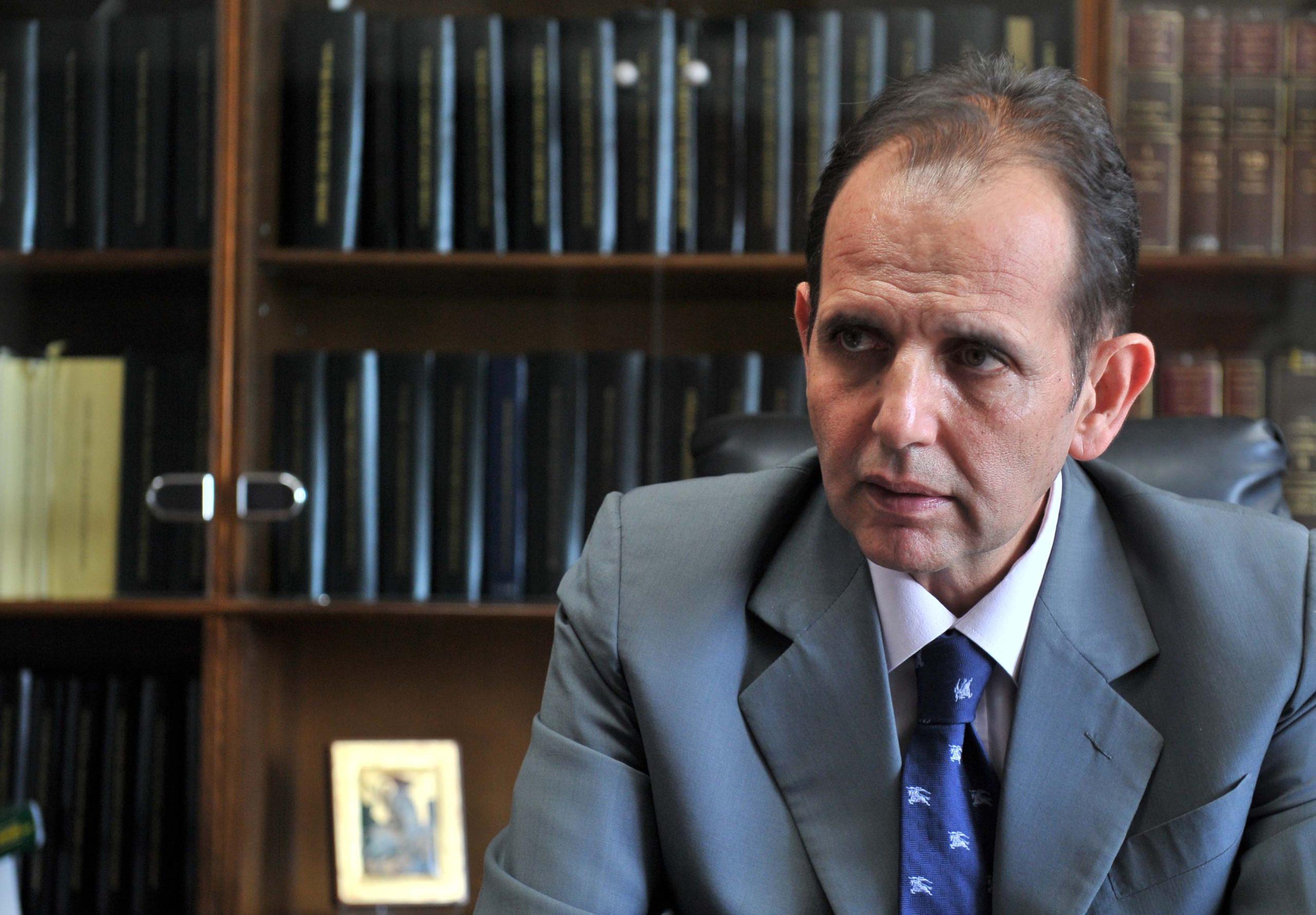
Erotokritou served as Deputy Attorney General, one of the Republic's most senior constitutional law officers. Inspectors found he had a close relationship with the late founder of Andreas Neocleous & Co LLC, corroborated by testimony from the then Attorney General Kostas Clerides and a senior state lawyer.
Inspectors identified two potential counts of misdemeanour abuse of authority. In the Rybolovleva matter, he personally requested the police file on the complaint against her, bypassed the Attorney General for instructions, and ensured the file's immediate return to police in deviation from standard Legal Service procedure. Evidence also indicates he intervened in the content of the affidavit submitted to court in support of the arrest warrant. In the Focus Maritime investigation, he intervened by demanding original exhibits from investigating officers and instructing them not to retain copies — conduct inspectors described as unprecedented and professionally impermissible.
Erotokritou occupied one of the Republic's highest prosecutorial offices. Findings that he used that position to steer criminal investigations in favour of private interests raise fundamental questions about the institutional independence of the Legal Service during the period under review.
Police: Ioannis Sotiridis
Former Senior Police Officer, Head of Limassol CID
Sotiridis was the senior officer responsible for the Limassol Criminal Investigation Department at the time of Elena Rybolovleva's arrest and subsequent release.
Inspectors found he deliberately concealed the initial complaint from his direct superior, leaked real-time information from police files to the side of the complainant, and deliberately delayed the return of Rybolovleva's passport in coordination with Neocleous and Erotokritou — in defiance of instructions from the Attorney General and his own commanding officer. Evidence also indicates he organised surveillance of Rybolovleva after her release and that a complaint about that surveillance went uninvestigated.
Findings against a senior police officer suggest that parts of the law enforcement apparatus were co-opted into what inspectors describe as a coordinated operation to pressure a foreign national through the criminal justice system.
Former minister: Nikos Kougialis
Former Minister of Agriculture, Natural Resources and Environment
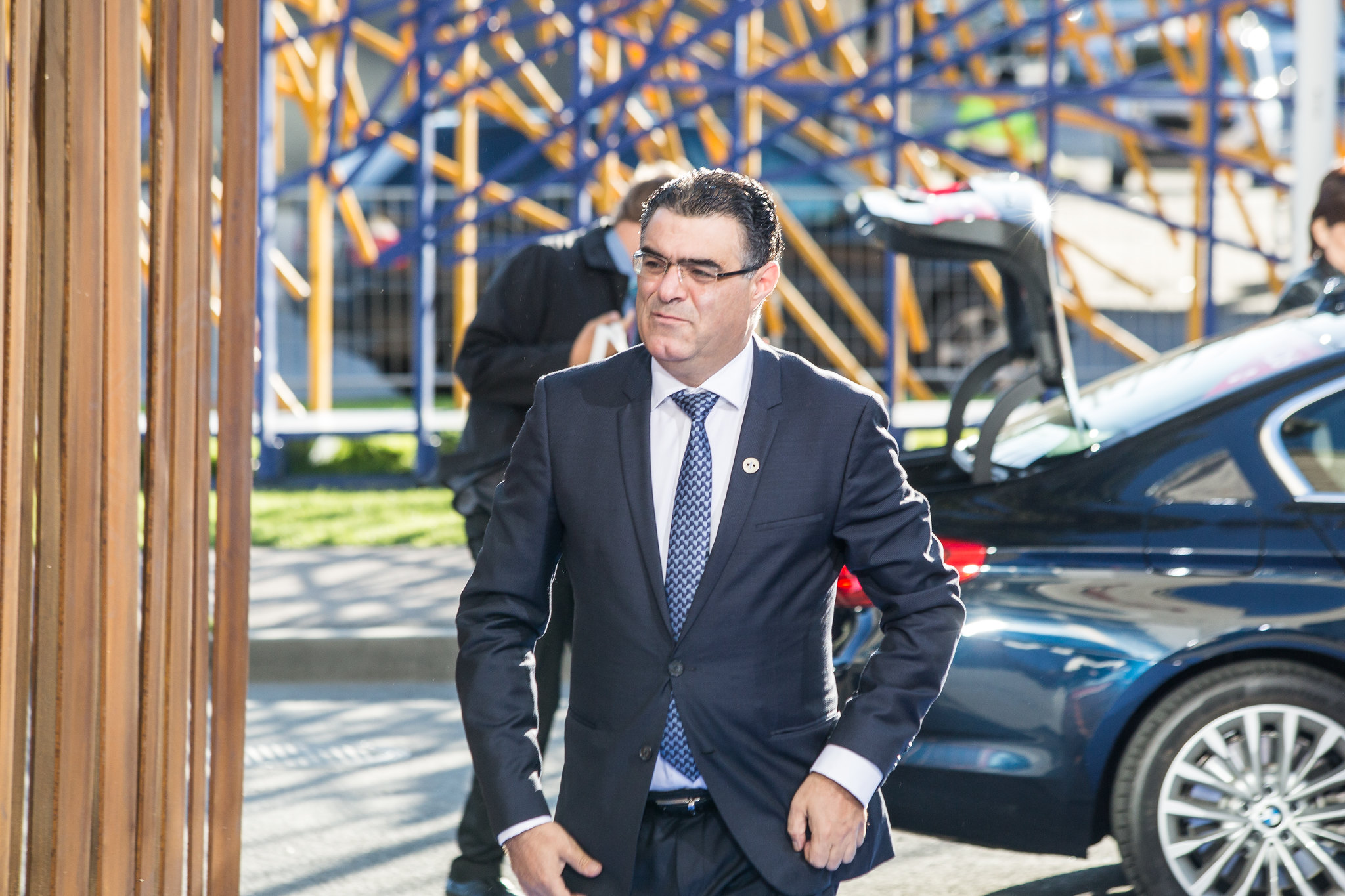
Kougialis served as Minister of Agriculture at the time of a 2013 Inter-Ministerial Committee decision to recommend granting state land in Ayia Napa to the Archbishopric of Cyprus as compensation for expropriated church land in Engomi.
Inspectors found that the state parcels eventually transferred to the Archbishopric had a general valuation of approximately €10.6 million — nearly €5 million more than the €5.7 million figure presented to decision-making bodies. No valuation report or supporting methodology was found in the administrative file. Kougialis supported the recommendation without ensuring the land value or the exceptional treatment were adequately documented. Inspectors found no evidence of personal financial gain, and accordingly characterise the potential offence as misdemeanour abuse of authority.
The grant of state land at a significant undervaluation — with no paper trail to explain the discrepancy — represents a potential loss of public assets and raises questions about the adequacy of checks within inter-ministerial processes governing the disposal of state property.
Former member of parliament: Giorgos Varnavas
Former member of parliament, EDEK
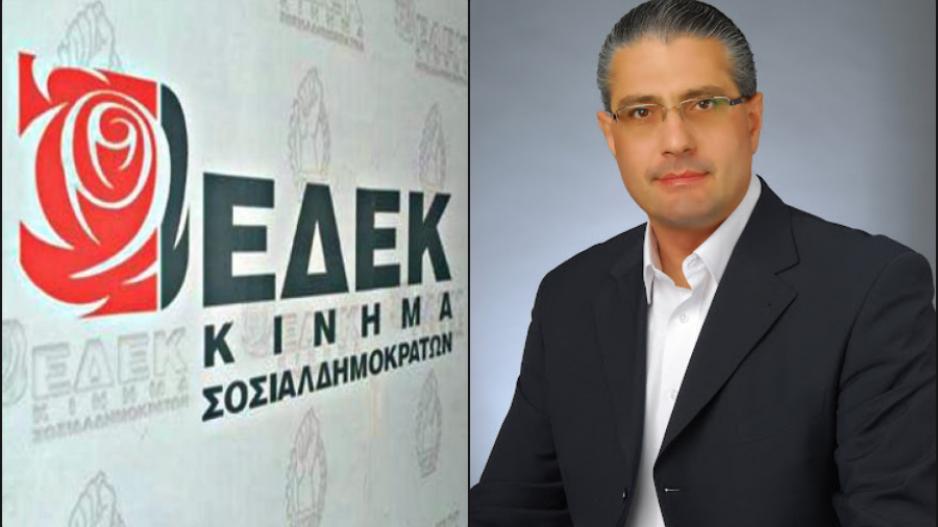
Varnavas sat as a member of parliament for the Socialist Party EDEK at the relevant time. Inspectors identified him as the person who requested the key meeting of 3 September 2013, attended by the former president, two cabinet ministers, the Deputy Attorney General, and representatives of a private company seeking to develop a property in Dromolaxia.
Inspectors rejected his claim of no involvement. They found that, without any institutional mandate, legal standing, or official authorisation, he used his parliamentary position to facilitate privileged access for the private company and its lawyers to senior public officials, including a separate meeting with the Attorney General on 6 June 2014. He faces potential misdemeanour abuse of authority or, alternatively, attempted abuse of authority.
The involvement of a legislator in steering a private commercial interest through ministerial and prosecutorial channels — without any official role — illustrates the breadth of institutional entanglement that inspectors found across this case.
Financial intelligence: Eva Rossidou-Papakyriacou
Former Head of the Unit for Combating Money Laundering (MOKAS)
Rossidou-Papakyriacou headed MOKAS, Cyprus's central financial intelligence unit, at the time of two investigations relevant to the case: one triggered by the 2019 OCCRP publication linking the Anastasiades law firm to the Troika Laundromat, and another following the 2021 Pandora Papers revelations.
Inspectors found that MOKAS had already received a formal referral from an audit firm regarding the relevant transactions eight days before the former president publicly called for an investigation — yet took no action until that public call. They concluded the investigation was conducted deficiently: explanations were accepted without independent verification, transaction records showing indicators of money laundering were ignored, and the published finding of no wrongdoing did not accurately reflect the incriminating evidence collected. She faces potential misdemeanour abuse of authority and neglect of duty.
MOKAS is the statutory guardian of financial probity in Cyprus. A finding that it conducted a flawed investigation into a sitting president's law firm and published a public clearance that did not reflect the evidence strikes at the institutional credibility of anti-money laundering supervision in Cyprus.
Banking: Efthymios Bouloutas
Former Chief Executive Officer, Laiki Bank
Bouloutas served as CEO of Laiki Bank during the period in which inspectors say the €250,000 payment to support Anastasiades's 2013 presidential campaign was arranged and executed. Laiki Bank collapsed during the 2013 financial crisis, inflicting severe losses on depositors.
Inspectors concluded that Bouloutas authorised the transfer of bank funds to an offshore shell company in the British Virgin Islands on the basis of fictitious invoices, and signed or approved those invoices himself. He faces a potential count of active trading in influence and a further count of money laundering arising from the routing of bank funds through an offshore vehicle to conceal the true nature and beneficiary of the payment.
Findings against the CEO of a bank that subsequently failed connect the alleged corruption directly to an institution whose collapse caused widespread financial harm to Cypriot savers. The use of bank funds to finance a political campaign, disguised as business expenses, implicates corporate governance and regulatory oversight in the same period.
Foreign nationals: Dmitry Rybolovlev
Russian oligarch and businessman
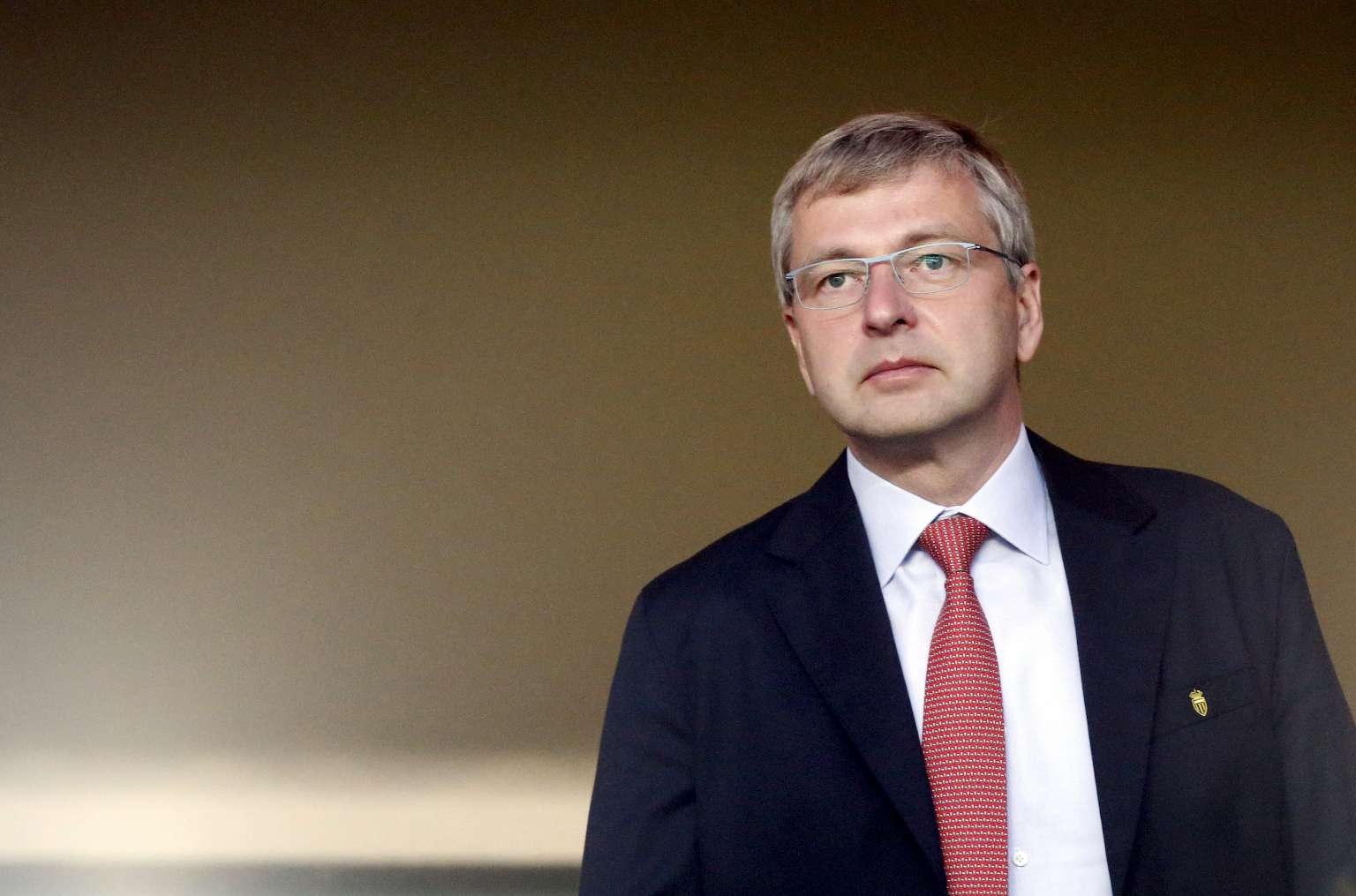
Rybolovlev is a Russian billionaire who held substantial assets through trusts registered in Cyprus. He was engaged in protracted divorce proceedings with his former wife, Elena Rybolovleva, who filed in Geneva seeking roughly half of an estimated $9 billion shared fortune.
Inspectors found reasonable suspicion that Rybolovlev acted as an active trader in influence by providing or offering an undue advantage — specifically, covering the cost of a private flight for then-President Anastasiades on 21 March 2014 — to a person with real or apparent influence over the decisions of Cypriot public officials, in connection with the operation to arrest his estranged wife.
Rybolovlev is the only foreign national named in the investigation. His alleged role places him at the origin of what inspectors describe as a coordinated scheme to use Cypriot state institutions — courts, police, and the prosecutorial service — as instruments in a private international legal dispute.
Andreas Hatzikyriacou
Alleged intermediary between Rybolovlev and Anastasiades
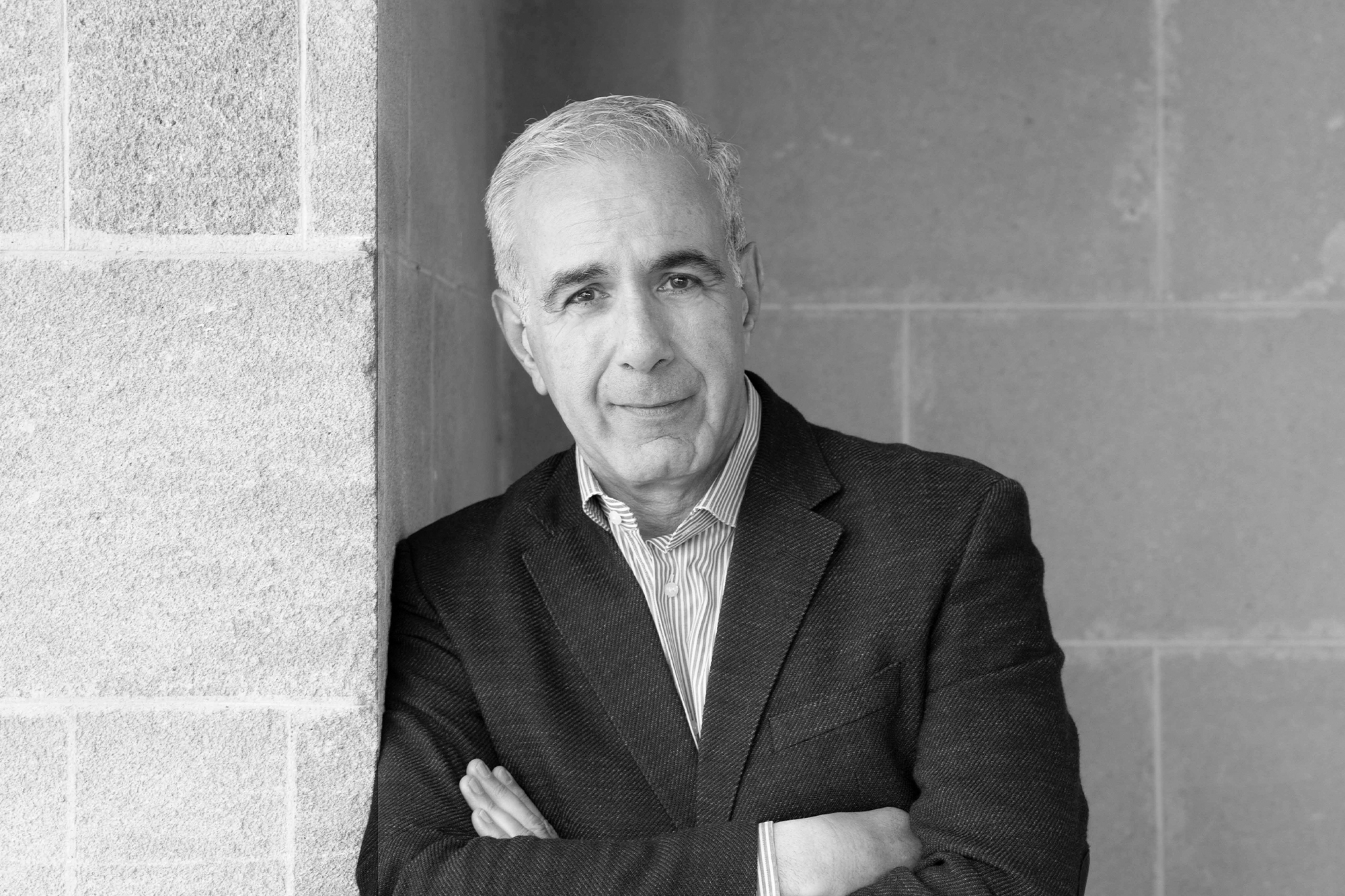
Hatzikyriacou is described throughout the investigation as the person who cultivated and maintained the relationship between former President Anastasiades and Dmitry Rybolovlev.
Inspectors found he acted as an active trader in influence by facilitating the provision of an undue advantage — the private flight — to Anastasiades, and that the arrangement was channelled through him. His role is characterised as that of intermediary between the two sides of the trading-in-influence arrangement. Inspectors also found, on the balance of probabilities, that he coordinated what they describe as the apparent support of state authorities and officials in the scheme to arrest Elena Rybolovleva.
Without the intermediary function, the three-party trading-in-influence arrangement identified by inspectors would not hold together. Hatzikyriacou's alleged role is the connective tissue between the foreign oligarch, the domestic political figure, and the state institutions said to have been improperly influenced.
Source: Independent Authority Against Corruption, announcement on the results of the investigation into the book Mafia State, 16 June 2026.