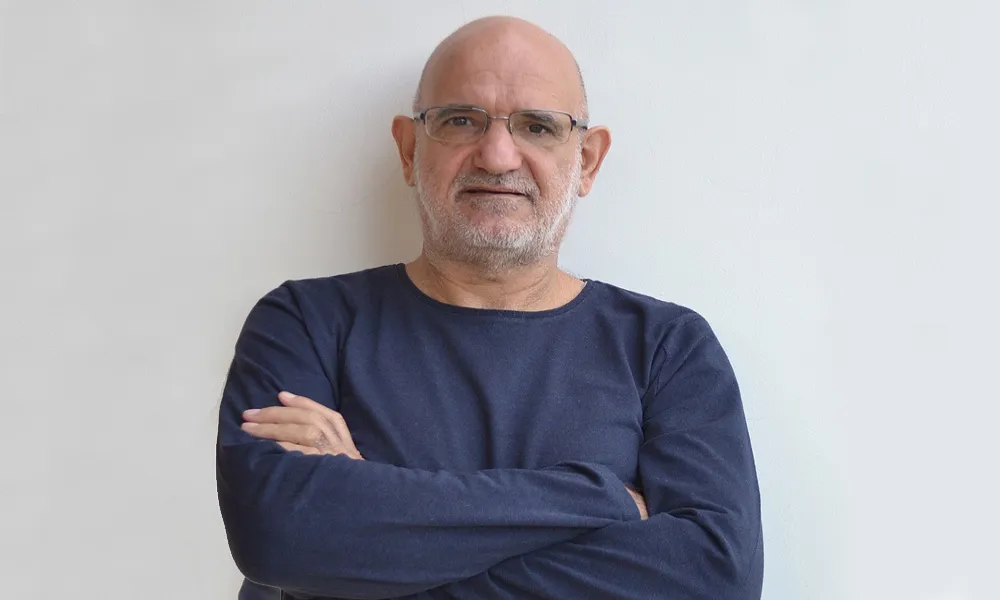

Investigative journalist Makarios Drousiotis built a significant portion of his corruption allegations on SMS messages, but the Independent Authority Against Corruption has effectively sidelined this material after investigators disagreed on whether it could be reliably used as evidence.
The SMS in question were stored on the mobile phone of Tetiana Bersheda, a lawyer representing Russian oligarch Dmitry Rybolovlev. Rybolovlev acquired Cypriot citizenship in 2012 after becoming a major shareholder of the Bank of Cyprus. He is also the owner of the Uralkali fertilizer company and the Monaco-based football club AS Monaco, and purchased Onassis's private island, Skorpios, in 2013 for $154 million.
Drousiotis claims in his book that Rybolovlev paid for Nicos Anastasiades's private jet bills in exchange for assistance with his divorce from Elena Rybolovleva, and that Rybolovlev used trusts to conceal assets worth billions of euros in Cyprus to prevent his ex-wife from claiming them. Much of this account rested on the SMS messages.
Bersheda handed her phone to Monaco authorities during an investigation into a specific recording. The Monaco authorities, however, extracted and examined a far larger volume of data than initially requested, including messages, emails and previously deleted information. The European Court of Human Rights, which Bersheda approached whilst the Mafia State investigation was ongoing, ruled that the search of her phone exceeded its original scope and found insufficient safeguards for her privacy, professional communications and legal privilege. The court concluded there was a violation of Article 8 of the European Convention on Human Rights.
This ruling created a significant problem for the anti-corruption inquiry. Drousiotis had submitted copies of the SMS to the Authority's investigators, and another journalist also provided similar material as testimony. The investigators disagreed on whether the messages could be used as evidence in light of the court's decision.
Gabrielle McIntyre, the team leader, argued that evidentiary weight could be assigned to the SMS despite the court's reasoning. Three Cypriot criminal law experts on the team -Charilaos Chrysanthou, Orestes Nikitas and Andreas Efthymiou- disagreed, maintaining that the SMS could not be given probative value without additional supporting testimony from other sources.
The Authority adopted the majority position. As a result, certain of Drousiotis's claims have been weakened to the extent that SMS messages constitute their sole source of information.