
The situation regarding the spread of foot-and-mouth disease has stabilised, president of the Pancyprian Veterinary Association, Demetris Epaminondas, told CNA on Saturday, adding that adherence to biosecurity measures, the vaccinations that have been administered, and weather conditions will help stabilise the situation for a period of time until autumn.
Replying to a CNA question on the matter Epaminondas said no new positive cases have emerged from the tests conducted so far.
No vaccine shortages
“All samples taken from Limassol and the most recent ones from Nicosia were negative, and now a Cyprus-wide campaign will begin across all units, essentially surveillance, to check antibody levels from the vaccines and also to see if the virus is present elsewhere, where we did not detect it during our initial surveillance,” he explained.
Asked about the progress of vaccinations, Epaminondas said that vaccinations are going ahead as normal throughout Cyprus, adding that, in view of the summer holidays for livestock farmers as well, vaccinations are expected to be completed, if not by the end of August, then by early to mid-September.
Asked whether there was a shortage of vaccines, the president of the Veterinary Association replied in the negative, adding that supplies are sufficient to complete the current vaccination cycle.
He added that the next shipment of vaccines for pigs is expected, at which time future needs for additional orders will be reassessed.
Culling is over
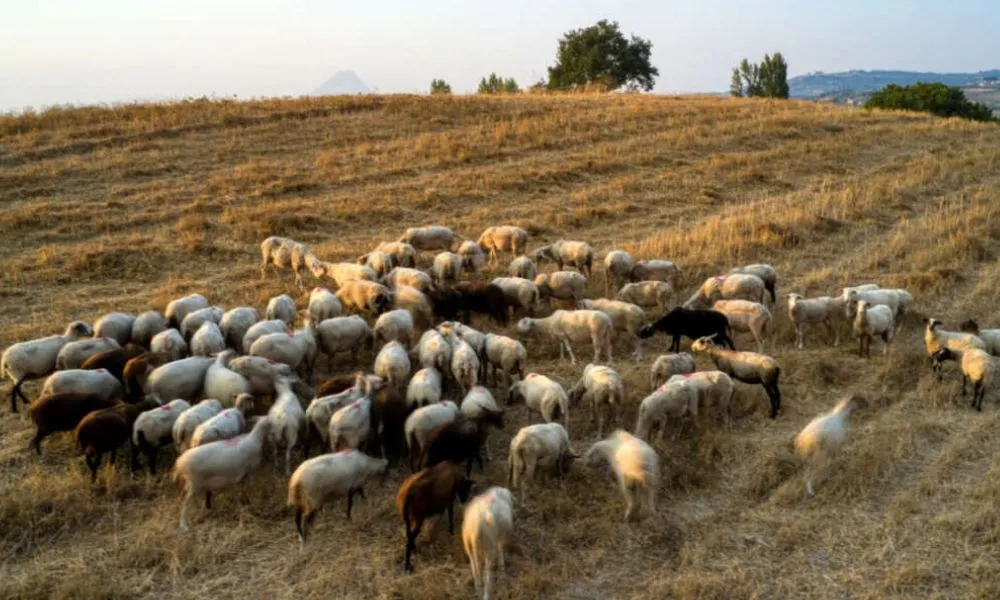
Regarding culls, he said that these have been completed at all facilities where they were mandated, with the exception of those granted exemptions—namely, for fat-tailed sheep and red cattle.
“At this time, the situation has stabilised,” commented Epaminondas, adding that the weather conditions prevailing during the summer reduce the virus’s ability to survive in the environment and, consequently, the chances of its transmission.
“In combination with all the other measures being taken—namely, adherence to biosecurity measures, the vaccinations that have been administered, and weather conditions—this will certainly help stabilise the situation for a while and ensure we are ready for autumn,” he further noted.
Finally, asked whether any organised effort had been launched to replace the animals that were culled, Epaminondas said that no such effort has been launched at this time, adding that this is a matter being handled by the Special Scientific Committee for the Reconstruction and Upgrading of the Livestock Sector.
“If we remain at these numbers, we may need to import a small amount from abroad, but again, it will be very small—and may even be avoided,” he concluded.
Source: CNA