
Israel and the Shia movement Hezbollah agreed to a ceasefire on Friday, according to a US official, following a fresh outbreak of violence in Lebanon that posed the most serious challenge yet to the Islamabad Memorandum of Understanding – the US-Iran framework agreement aimed at ending the war across the Middle East.
The truce was announced after a sharp escalation in hostilities that left dozens dead and raised concerns over the durability of the wider peace initiative brokered by Washington and Tehran.
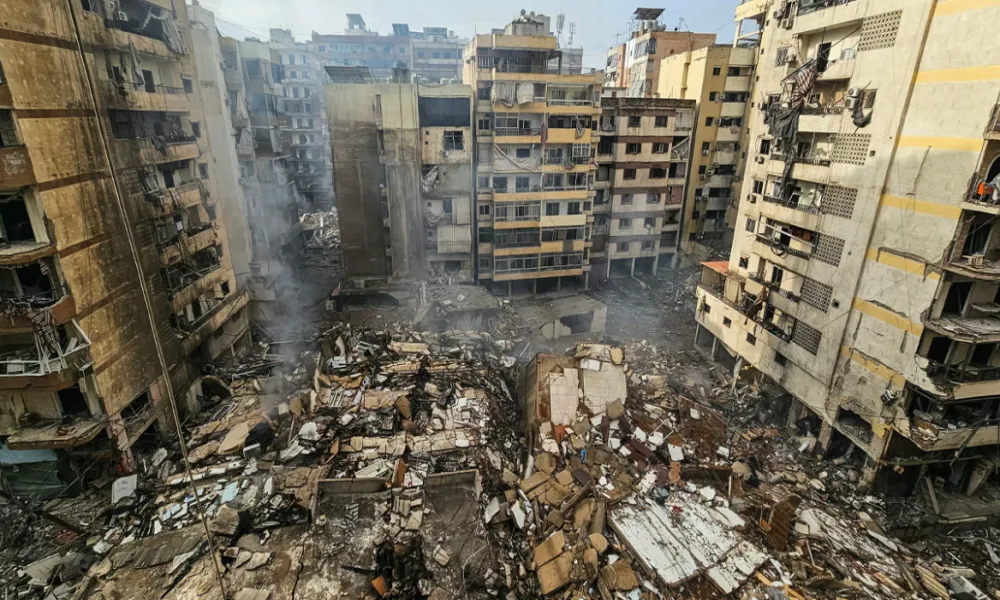
According to authorities in Beirut, at least 47 people were killed and nearly 100 injured in Israeli air strikes between Thursday evening and Friday afternoon.
Ceasefire hanging by a thread
The Israeli military, meanwhile, reported four fatalities among its ranks, including a senior officer.
The latest violence marks the highest death toll since Monday, when the US-Iran agreement was unveiled. The deal calls for an end to hostilities “on all fronts, including Lebanon” – a provision that Iran, a key ally of Hezbollah, has repeatedly stressed.
Despite the ceasefire announcement, Israeli Prime Minister Benjamin Netanyahu warned that Hezbollah would “pay a very heavy price” for its actions. He also reiterated that Israeli forces would remain in southern Lebanon “for as long as necessary”.
The renewed fighting has fuelled fears that the conflict could undermine broader diplomatic efforts to bring stability to the region, with the ceasefire now seen as a crucial test of the US-Iran-backed framework.