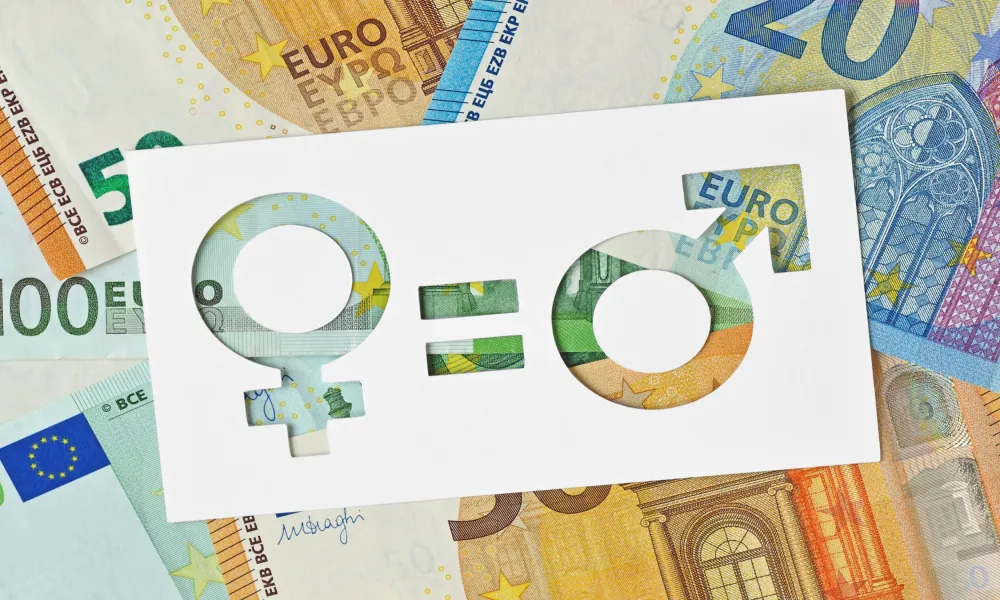

Delays by EU member states in transposing the European directive on pay transparency are costing women billions of euros a year, according to the European Trade Union Confederation (ETUC). The deadline for writing the directive into national law expired on 7 June 2026, yet so far only four member states have done so.
What the research shows
An analysis by the European Trade Union Institute, cited by the ETUC, concludes that this inaction means working women will continue to lose billions of euros annually. It states that the average woman worker will keep earning €3,800 a year less than men if the current gender pay gap of 11% persists. "This means that the 92.5 million working women in the EU collectively lose more than €358 billion a year," the confederation notes.
The analysis also finds that the average woman worker will be €672 a year poorer than she would be if pay transparency delivered a 10% reduction in the gender pay gap. The 43 million women employed at companies covered by the directive would collectively lose €28 billion a year compared with a scenario in which that 10% reduction had been achieved.
Calls for infringement action
The ETUC says the figures show why member states must finally treat transposition as urgent, and it argues that the European Commission should take infringement measures against those that continue to delay.
"The cost of pay transparency measures is small for companies, but this analysis shows that inaction by national governments will cost women workers billions in lost wages," said ETUC General Secretary Esther Lynch. "This is completely unacceptable when women have already suffered decades of pay discrimination."
ETUC Deputy General Secretary Isabelle Schömann said that although equal pay has been enshrined in the EU treaties since 1957, a lack of transparency and hidden bias had allowed discrimination to persist in the shadows for almost 70 years. "This cannot continue," she said, adding that any government continuing to avoid its legal responsibility to apply the directive "can expect to be taken to court", and that the ETUC would stand alongside working women in defending their right to equal pay.
The scale of the gap
According to the latest Eurostat data, women's average gross hourly earnings in the EU in 2024 were 11.1% lower than men's, with the gap remaining almost unchanged over the past decade. The European Commission stresses that the principle of equal pay for equal work is a fundamental right, while also pointing to the significant economic benefits that reducing inequality could bring. Estimates from the European Institute for Gender Equality suggest that eliminating gender inequalities could raise EU GDP per capita by up to €1.95 trillion by 2050.
How the rules work
The Commission has the power to launch infringement proceedings under European law. Member states will set the fines for businesses that fail to meet the new obligations, which must be effective, proportionate and deterrent. The reporting requirements apply mainly to companies with more than 100 employees, while smaller firms face gradual and lighter obligations. The Commission argues that the new framework does not increase bureaucracy but helps create more transparent and fair working conditions across the EU.
Of the 27 member states, the four that met the June deadline were Italy, Lithuania, Malta and Slovakia.