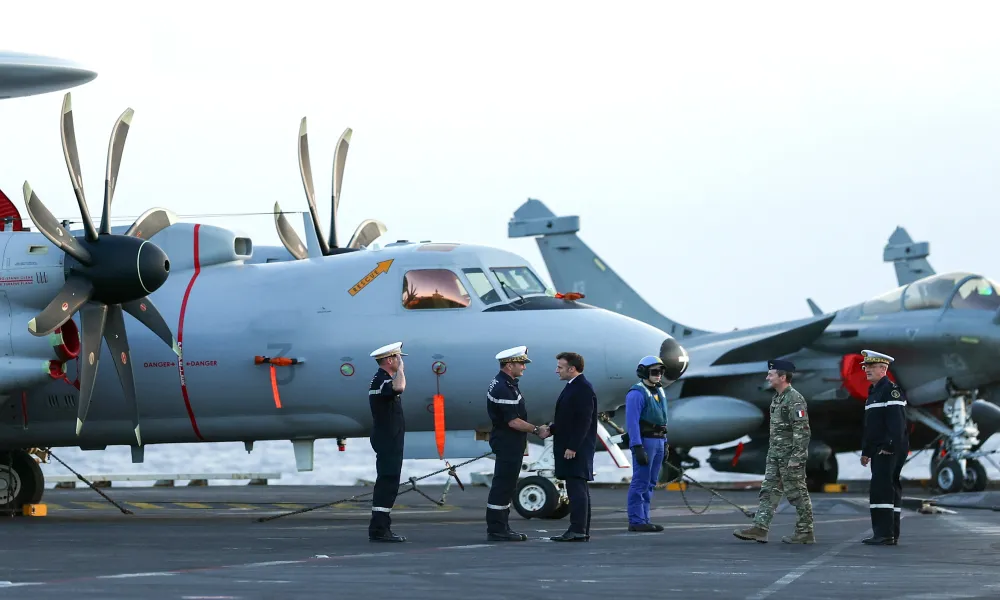

A bill ratifying the defence agreement between Cyprus and France has been tabled in the House of Representatives for debate. The agreement covers every aspect of military cooperation between the two countries. The defence ministers of the two countries signed it in Nicosia on 8 June 2026.
The agreement goes beyond strengthening military ties. It sets out the terms under which military personnel, and certain civilian personnel, of one country may be present and operate on the territory of the other.
A new framework for defence cooperation
The agreement establishes a new institutional framework for developing defence cooperation between Cyprus and France further. The Council of Ministers approved the ratification bill on 25 August 2026.
The Status of Forces Agreement (SOFA) broadens the scope of cooperation between the two countries and lays down rules for it. Those rules cover both joint activities and the status of the forces taking part in them.
Areas of cooperation
Cooperation extends to several fields:
- operational and structural military cooperation
- defence systems and technologies
- research and development
- procurement of defence equipment
- exchange of expertise and experience
The agreement also provides for closer cooperation between the Cypriot and French defence industries.
Cooperation may take several forms. These include high-level dialogue and consultations on defence policy and strategic challenges, military training, exchanges of information and personnel, visits, exercises and training activities. The agreement also provides for logistical support, the use of military facilities, the temporary stationing of forces and facilities for aircraft and naval vessels.
These provisions matter because they create an organised framework for activities that require coordination, common procedures and practical arrangements.
What personnel can and cannot do
The text of the agreement sets out clearly what personnel of the sending state may and may not do on the territory of the host state.
The agreement states explicitly that personnel of one country will not take part in preparing or carrying out operations to maintain or restore public order and public security in the host country. Nor will they take part in preparing or carrying out war or war-like operations, or in any action to maintain or restore national sovereignty. The exception is where the two parties agree otherwise in advance and in writing.
This provision is essential. It makes clear that the presence of military personnel under the agreement does not automatically authorise them to take part in operations.
Personnel and their dependants must also comply with the laws and regulations of the host state.
Entry and departure procedures
The SOFA sets out specific procedures for the entry and departure of personnel and for the transport of military materiel. The competent authorities of the host state must be informed of the identity of personnel and their dependants, the equipment entering the country and the dates of movement. Where possible, this notification should be given at least 24 hours in advance.
Military personnel must hold the necessary travel documents and a mission order, or an equivalent document, issued by the competent military authorities. The agreement does not create a right of permanent residence in the host country.
Weapons, vehicles, aircraft and ships
Personnel may possess, carry and use service weapons and ammunition while performing official duties, in accordance with the laws and regulations of the host state.
Specific procedures also apply to the entry of military vehicles, overflights, aircraft landings and the arrival of ships. Where required, these also need prior approval from the competent authorities.
These provisions are designed to facilitate military cooperation while keeping national procedures in place and allowing the host state to monitor the movements involved.