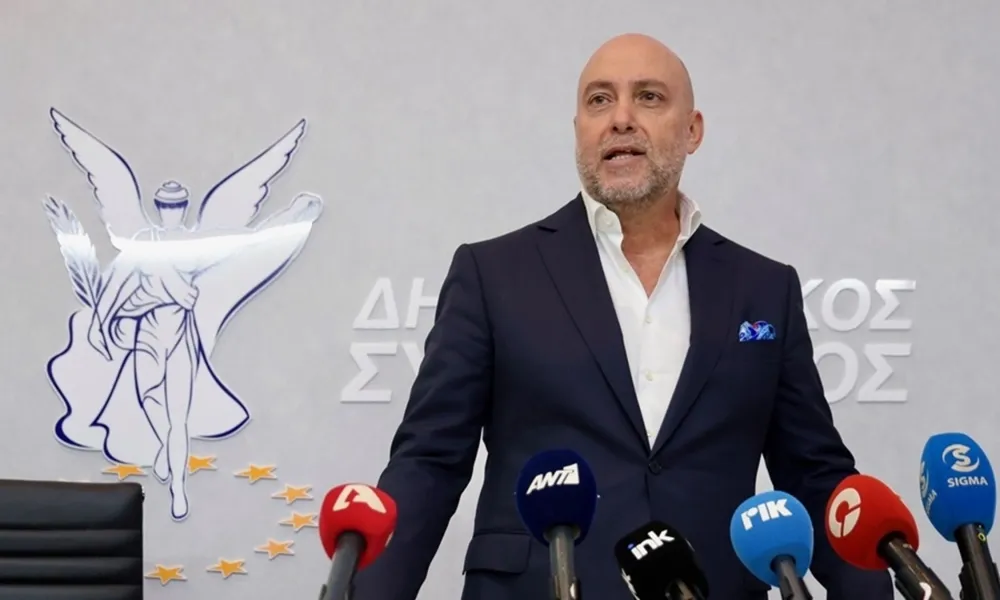

"Do we stay with the old, or turn the page and move to the new?" According to Giorgos Pamporides, this is what is at stake in Saturday's vote in DISY to choose the party's candidate for the 2028 presidential election.
He blamed the party's split in 2023 on the choices of the then leadership and on Averof Neophytou's decision to run for President of the Republic. He stressed that the same situation must not be repeated in 2028.
"Something completely different"
Speaking on Politis Radio 107.6 & 97.6, on the programme "Proini Epitheorisi" with Katerina Iliadi, Mr Pamporides described Mr Neophytou as a leading figure of politics in Cyprus for decades. By contrast, he said, he is proposing something completely different and radical.
"Anger, disappointment and aversion"
Mr Pamporides confirmed that DISY is divided. He said that what he hears from the party's grassroots is anger, disappointment and aversion.
Referring to the 2023 defeat, he argued that responsibility for the choices lies with the candidate himself. He rejected attempts to shift the blame onto other senior figures such as Nicos Anastasiades and Ioannis Kasoulides.
He recalled that DISY failed to reach the second round of a presidential election for the first time in its history, which he said left its voters at a dead end.
He also said the 30 days he had to reach the grassroots were not enough. Unlike his rival, he said, he did not have a network built up over many years.
He called on DISY members to vote, stressing that an ordinary member's vote carries the same weight as that of the party's senior figures.
Differences with Neophytou and the Cyprus problem
Mr Pamporides said his political differences with Mr Neophytou are clear. He noted that he had repeatedly said he was willing to hold a debate.
On the Cyprus problem, he recalled that in 2004, unlike his rival, he supported rejecting the Annan Plan for specific reasons, which he had set out to the party leadership.
In his view, those who backed the "no" vote at the time were vindicated by developments at Crans-Montana, where he believes the solution being outlined was better than the Annan Plan. He also referred to Cyprus' accession to the European Union as having strengthened the country geostrategically.
Criticism of government measures
Commenting on the support measures announced by the President of the Republic, Mr Pamporides argued that handing out piecemeal benefits turns citizens into beggars. He stressed the need to invest in people, and especially in the younger generation.
He blamed the failure to solve the country's problems on a lack of political will, timidity and conservatism. He argued that political leaders must guide the public service.
On traffic, he pointed to the lack of long-term planning, citing a metro or tram as examples, combined with short-term measures to ease the pressure on citizens.
Against a windfall tax on banks
Mr Pamporides said he opposes a windfall tax on bank profits, expressing concern that banking investment could leave Cyprus.
However, he said existing regulations and procedures should be used to limit excessive bank charges. He also highlighted the difficulties older people and rural residents face because of branch closures and the digitalisation of services.
Risk of electricity shortages in 2030
On energy, he said the solutions are known but not being implemented. He pointed to:
- the pending replacement of the generators at Dhekelia
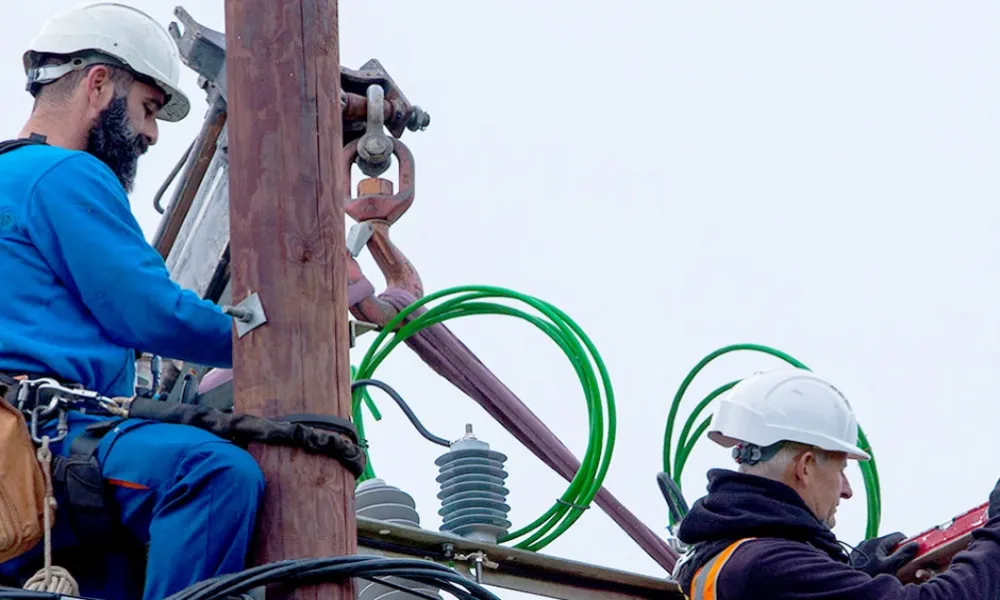
- the ageing electricity grid
- the delay in energy storage
He warned of a risk of electricity shortages in 2030.
He also argued that the extra €200 million in taxes which, according to him, the state collected last year because of higher fuel prices should have been returned to citizens facing financial difficulties.
Tougher action on GeSY abuse
On GeSY, the former Health Minister said investing in health had brought significant benefits for citizens, while acknowledging serious problems.
He called for stricter supervision, exemplary punishment of those who abuse the system, and publishing their names. He criticised the approach of the Commissioner for Personal Data Protection on this issue.