
Just weeks before being appointed the European Commission's special representative for Cyprus, tasked with supporting efforts to resolve the Cyprus problem under the United Nations framework, Raffaele Fitto had the opportunity to experience a different side of the island.
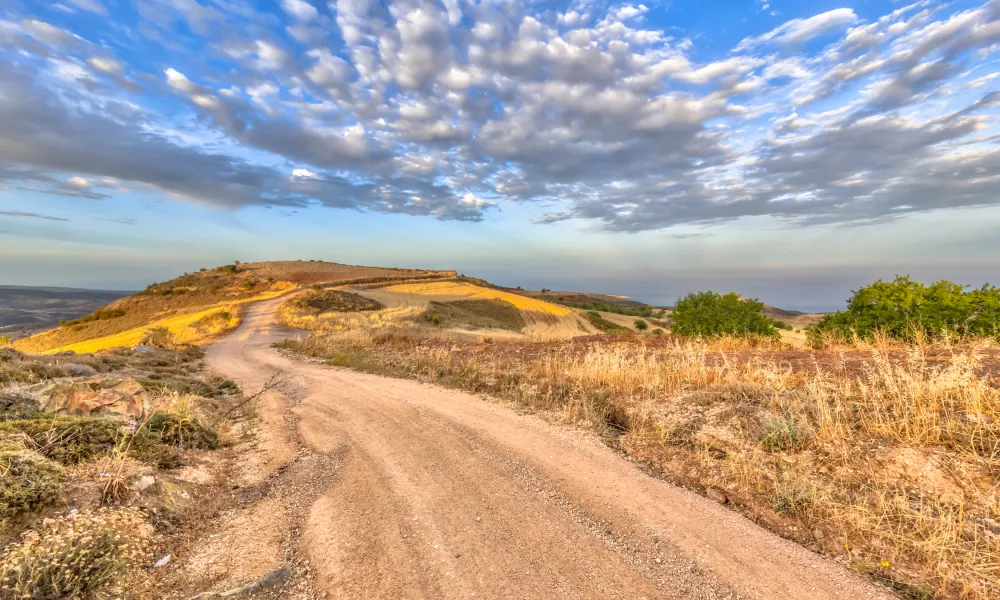
Far from the offices of Brussels, official meetings and the language of diplomacy, the Executive Vice-President of the European Commission spent a day in Agios Ioannis, a traditional village of around 300 residents on the south-western foothills of the Troodos mountains.
The visit took place on 25 June and had a distinctly human dimension. Fitto walked through the village streets, spoke with residents, listened to their concerns and learned about the efforts being made to keep their community alive.
For a few hours, the European official set protocol aside and became a visitor to a place determined to preserve its identity and traditions.
Cyprus coffee and the flavours of Pitsilia
The visit began with a traditional Pitsilia breakfast prepared by the residents of Agios Ioannis.
The table featured halloumi, anari cheese, local delicacies and village-made sausages, while Fitto also sampled the local zivania spirit.
Naturally, Cyprus coffee was also served, which he enjoyed in the warm and welcoming atmosphere of the community while discussing everyday life with villagers.
Speaking to Politis, Agios Ioannis community leader Christakis Tsangaris said Fitto appeared genuinely pleased and showed a real interest in the village and its people.
"He came to listen to the problems facing rural Cyprus, not to make promises. He sat down with both young and older residents and showed understanding. He was smiling and we spoke with him about the issues affecting our community," Tsangaris said.
As part of his tour, Fitto also visited the village's traditional grocery shop, a place that continues to serve as a meeting point and reference point for local residents.
"There he had the opportunity to speak with members of the community and gain first-hand insight into the simple, everyday life of the Cypriot countryside," the community leader added.
In the village churches
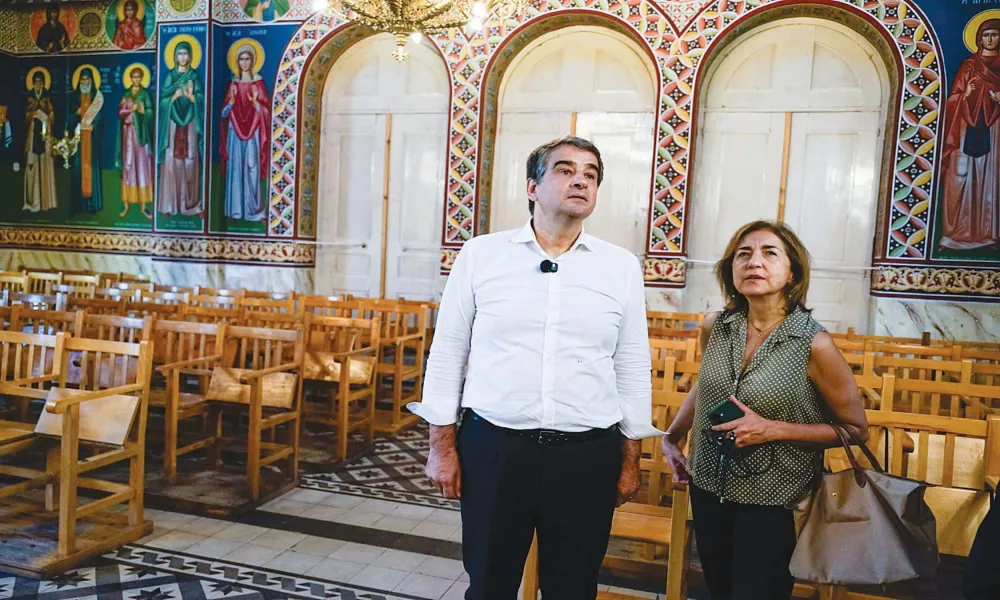
Fitto was also given a tour of the village's two churches dedicated to Archangel Michael, which form an important part of Agios Ioannis' history and religious heritage.
One of the churches falls under the authority of the Department of Antiquities.
The European official was briefed on the significance of the monument and on the relationship residents maintain with their cultural heritage.
Amid the tranquillity of the mountain landscape, surrounded by old houses and churches, Fitto encountered a village that keeps its memories alive while seeking ways to secure its future.
The struggle to keep young people in the village
Particular attention was given to an initiative by the community council to offer building plots to young couples at affordable prices.
The community created 16 plots, of which 14 have already been sold.
The main condition is that the new families remain in the village for at least ten years.
For a community of just 300 residents, every new family represents hope and continuity.
The aim is to encourage young people to stay in their home village, create new households and prevent homes and neighbourhoods from becoming deserted.
Fitto also spoke with children from the village, who described the difficulties they face, particularly those linked to inadequate infrastructure.