
A routine search for lost jewellery on a beach in Ashdod led to the discovery of a rare 2,500-year-old Cypriot coin, offering fresh insights into ancient trade links across the eastern Mediterranean.
The coin was found by Avi Chaprak, deputy director of Ashdod's Beaches Department, while he was scanning the shoreline for items misplaced by visitors. Recognising that the object might be significant, he handed it over to the Israel Antiquities Authority (IAA) for examination.
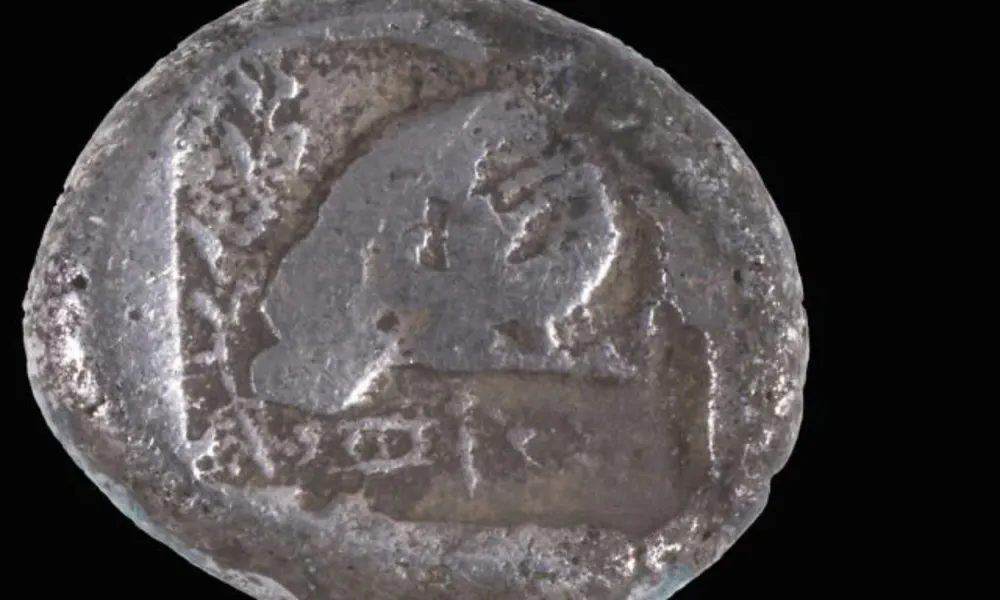
Experts identified the find as an exceptionally rare silver-plated siglos minted in Salamis, the ancient city on Cyprus' eastern coast, during the mid-fifth century BC when the island was under Persian rule.
According to IAA coin specialist Yanniv David Levy, the coin weighs about 11 grams and initially appears to be made entirely of silver. Further analysis showed it consisted of a base metal coated with silver, a technique used in Cypriot coin production during periods when silver supplies on the island were limited.
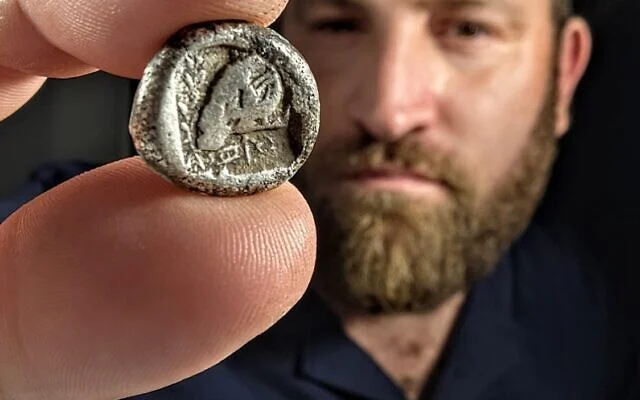
One side depicts a reclining ram, while the reverse features a ram's head within an incuse square, accompanied by a laurel branch and three symbols associated with the ancient Cypriot syllabic script.
Levy noted that large silver coins from the Persian period are uncommon archaeological finds because they were frequently cut into smaller pieces for use in trade. Complete examples are particularly rare, and most previous discoveries have come from inland locations rather than coastal areas.
"The discovery of a complete coin from the coastal region is exceptional and carries considerable historical significance," he said.
Specialists say the coin may also shed light on commercial and cultural connections between Cyprus and the Levant.
Evangeline Markou, an expert in ancient Cypriot coinage at the National Hellenic Research Foundation in Athens, said that although coins from Salamis circulated widely across the eastern Mediterranean, examples with a clearly documented provenance are unusual.
As a result, she said, the discovery could provide valuable information about movement, trade and contacts between Cyprus and the region during the Persian period.
The Israel Antiquities Authority presented Chaprak with a certificate of appreciation for reporting the find.
"For me, it was obvious that the coin belongs to our shared heritage, so I immediately delivered it to the authorities," he said. "If this discovery contributes even a small piece to the history and research of the region, that is a great honour."
Source: Times of Israel