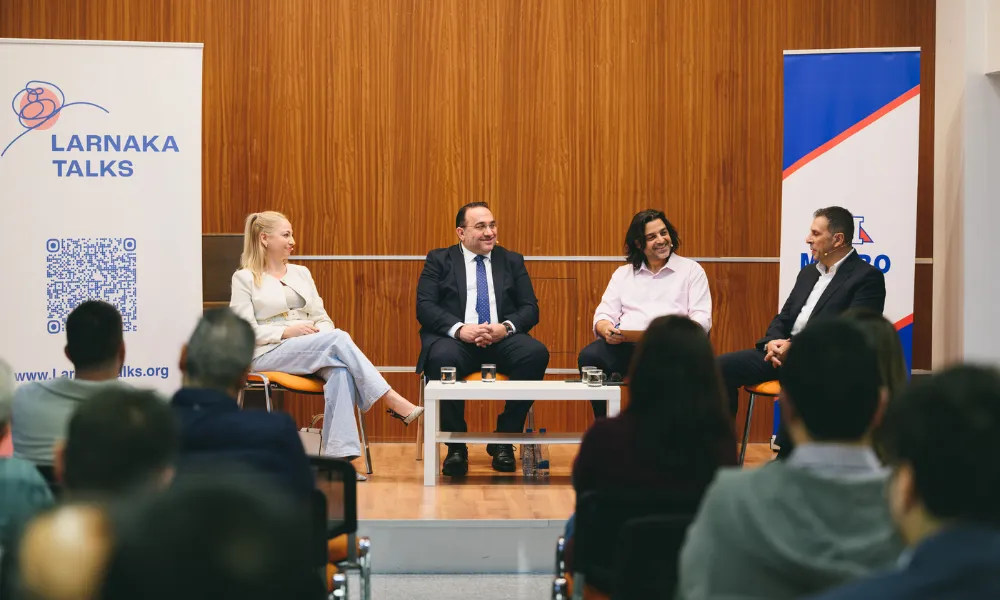

The state is examining restrictions on tourist beds in areas where overtourism is identified, with short-term rentals first in line. A dedicated scientific study to this end was announced by Deputy Minister of Tourism Kostas Koumis at the first Larnaka Talks, a new series of public discussions, held on the theme "Larnaca and Tourism Development".
The same discussion also took stock of the year's losses, visitor complaints about the city's image and long-standing infrastructure delays.
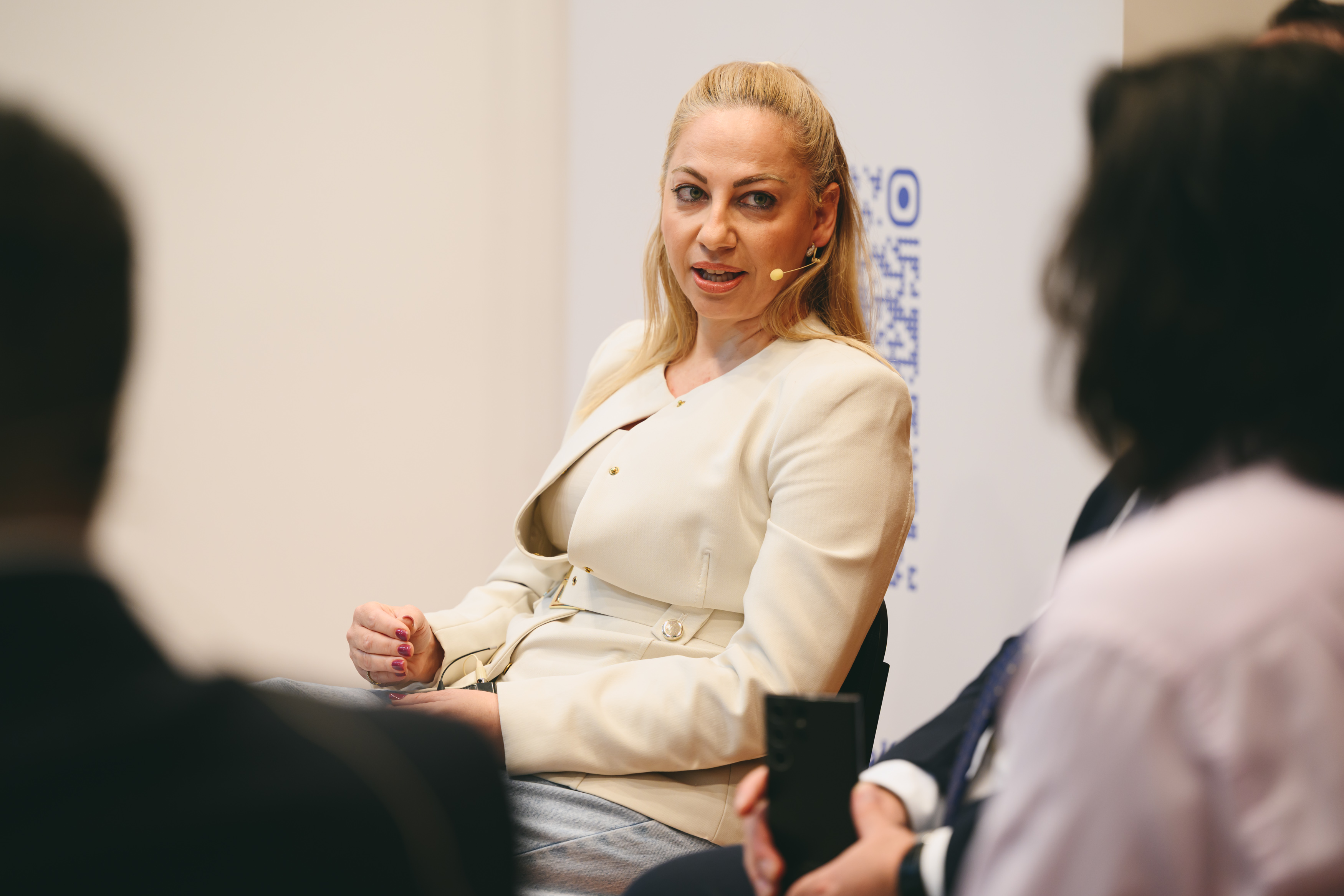
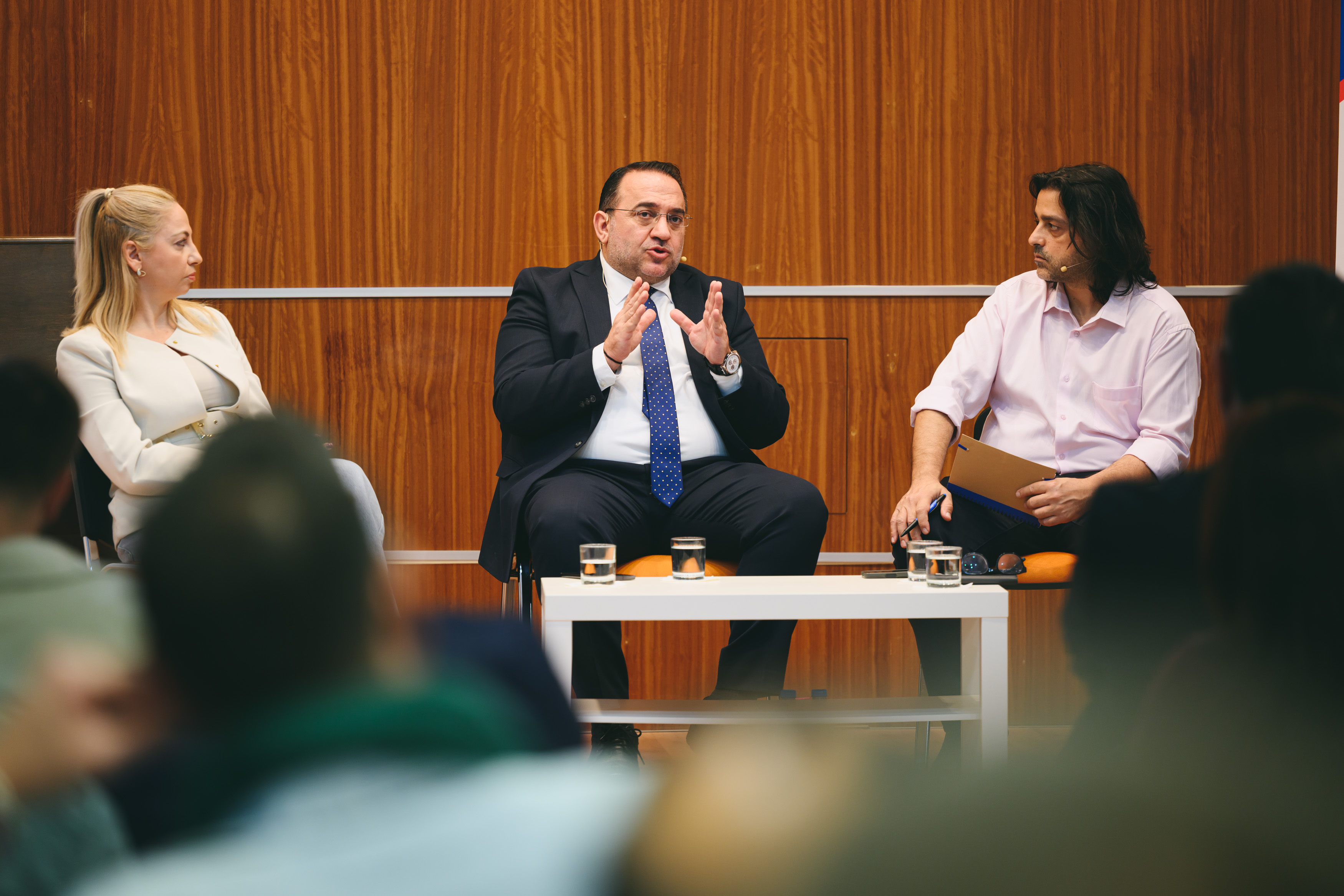
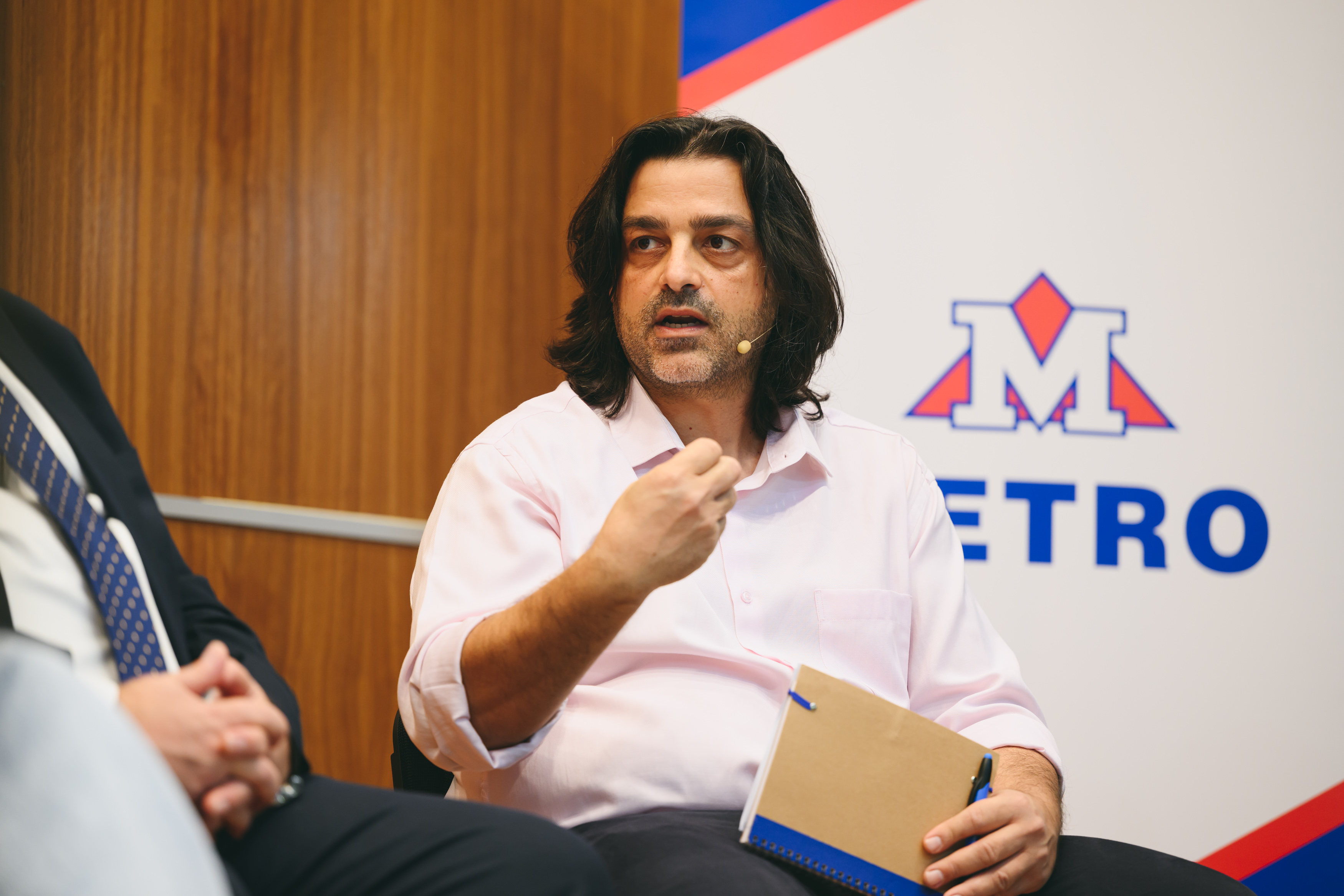
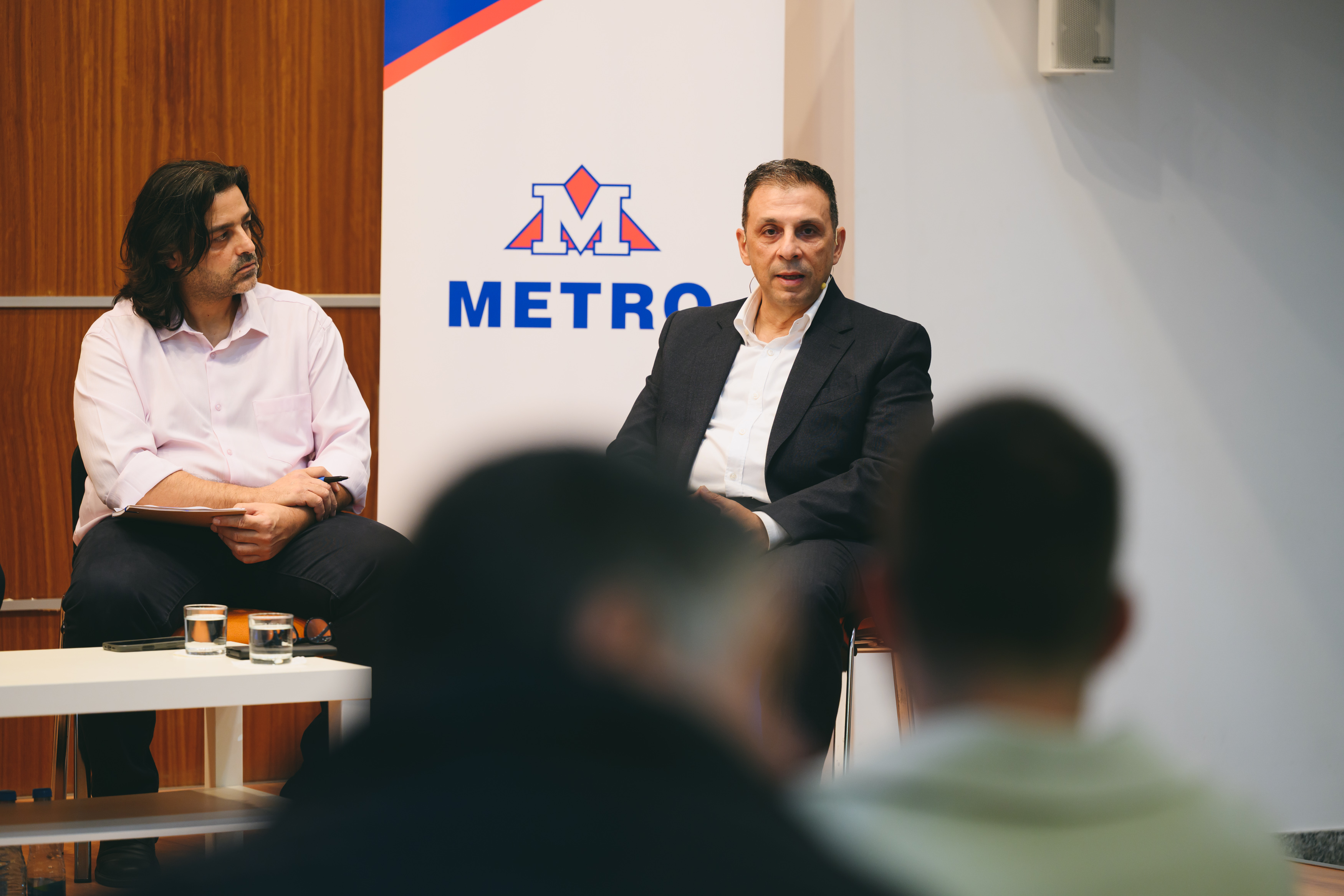
Taking part were Mr Koumis, the chairman of the Larnaca branch of the Cyprus Hotel Association (PASYXE), Marios Polyviou, and the director of the Larnaca Tourism Development and Promotion Company (ETAP), Nana Asmeni. According to the organisers, the event was attended by tourism professionals, representatives of local government and residents of the city.
Carrying capacity study and bed limits
Mr Koumis referred to a specialised scientific study that will determine the maximum number of visitors the country can host, as well as each destination individually, mapping the areas at risk of saturation. Where overtourism is identified, the state will impose a ceiling on available beds.
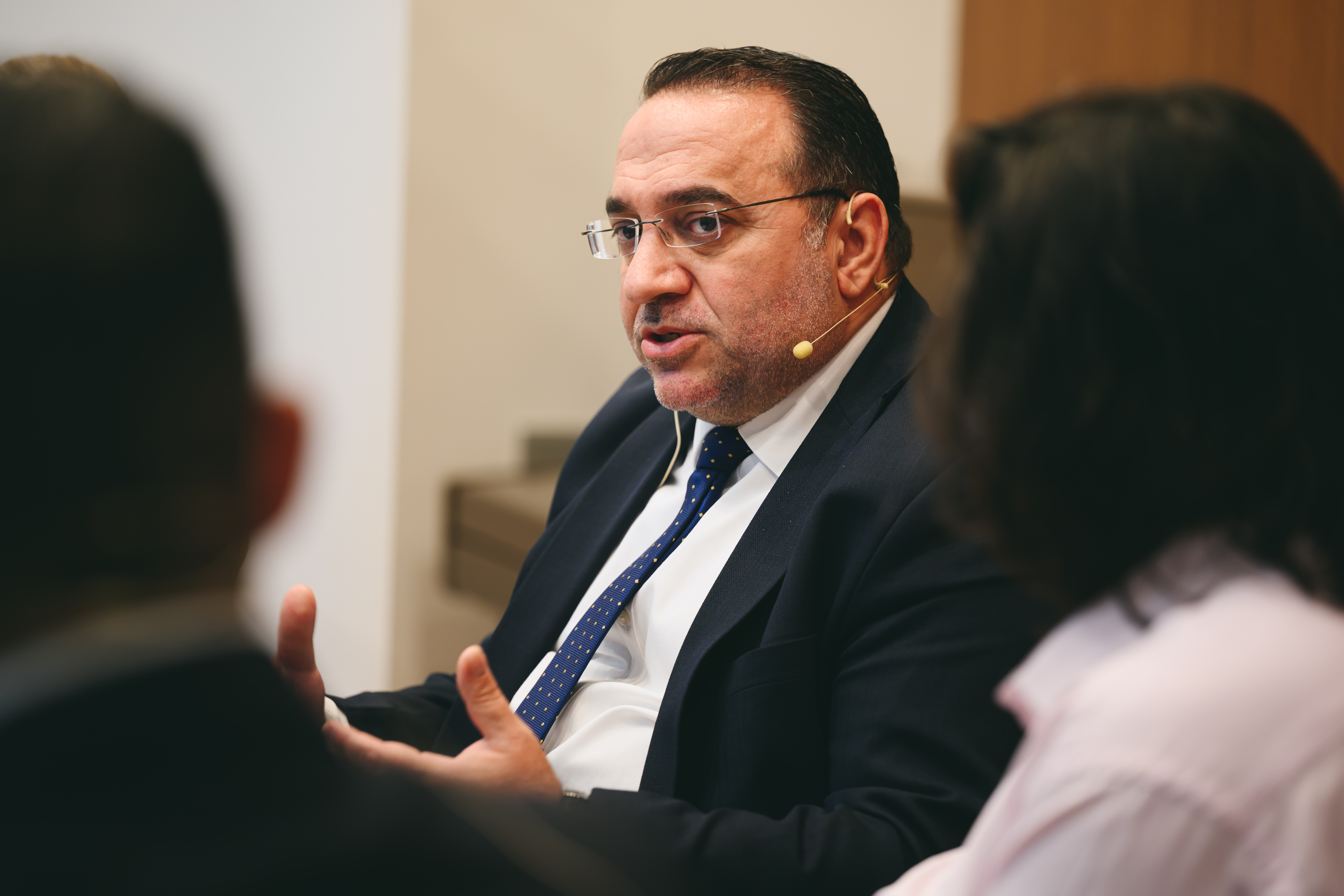
The deputy minister said he considers it a given that the restrictive measures will apply first to short-term rentals rather than to organised hotel units, which, as was explained, offer comprehensive services and jobs.
Link to the housing crisis
The issue is directly linked to the housing crisis. Speakers stressed that the mass conversion of flats into tourist accommodation has led to a sharp rise in rents and a shortage of homes for long-term rental, with permanent residents and young families most affected.
It was recalled that the 2024 attempt to limit to two the number of flats each owner can enter in the short-term accommodation register was deemed legally unenforceable, as it conflicted with the constitutionally protected right to property.
Visitor feedback on Larnaca
According to the feedback ETAP receives from visitors, cleanliness and visual pollution top the list of Larnaca's weak points. It was noted that the municipality and the Larnaca District Self-Government Organisation (EOA) are called on to tackle the uncontrolled placement of signs and to step up cleaning, particularly on beaches.
Speakers also stressed the need for stricter policing in the historic centre and for clarity over who is responsible for staffing lifeguard towers.
Arrivals and targets
Despite geopolitical turbulence in the Middle East and pressures on air travel, the fall in arrivals was limited to under 4% island-wide, according to the deputy minister. In Larnaca, however, the drop ranged between 8% and 10%, according to PASYXE Larnaca figures. This was attributed to the proximity of the crisis and to changes in airline scheduling.
Over the past decade, the district's share of island-wide arrivals has risen from 7% to 8% to 15.4%, while Larnaca records the highest rate of repeat visitors in Cyprus, at around 60%.
The target for 2026-2027 is a return to the record levels of 2025, along with maintaining air connectivity and developing winter tourism.
Infrastructure and pending projects
The Larnaca-Dhekelia road emerged as the most critical project for the tourist area, with its delays causing inconvenience to visitors and professionals alike.
Reference was also made to the planned airport expansion and to the municipality's programme for restoring listed buildings and creating seafront promenades and urban parks, such as Salina Park and the regeneration of the Pattichion. Also mentioned was the renovation of the historic REX cinema, with a budget of €4 million, to turn it into the Larnaca Cinema Centre.
A point of friction is the absence of public transport to the Larnaca mountain villages. According to what was said, a tourist needs more than four hours to reach Lefkara on existing routes. The city's shortfall in sports infrastructure, such as training centres and safe cycling routes, was also highlighted.
Hoteliers' representatives raised staff shortages, higher energy costs and the chronic problem of operating licences. They proposed separating the licence that covers safety and health from outstanding planning issues in law.
Proposed actions
The speakers' contributions and audience interventions produced a list of proposed actions, which includes:
- speeding up the carrying capacity study
- making the Larnaca-Dhekelia road a top-priority project
- direct bus routes from the tourist area and the airport to Lefkara
- incentives for businesses that stay open from November to March
- a joint Larnaca and Famagusta winter package
- a single body responsible for beach safety
The next Larnaka Talks
The next discussion in the series will take place on Tuesday 8 December at 7pm at the Larnaca House of Letters and Arts. It will be an open discussion with the deputy mayors of Larnaca's three municipal districts.
The media sponsors of the Larnaka Talks series are Politis and Politis to the Point.