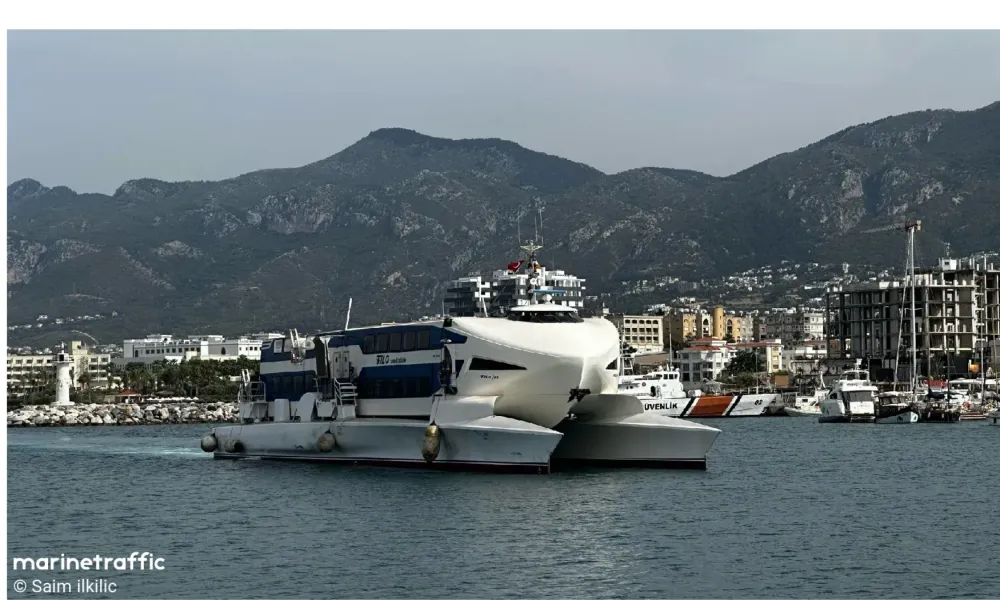

Fresh questions about the technical history of the FİLO JET have emerged following claims by a naval engineer who says he inspected the catamaran in 2016 and identified what he described as "very serious structural damage".
The allegations add to the growing scrutiny surrounding the vessel's maintenance history and previous repairs as investigations continue into the fatal sinking off Kyrenia.
According to reports by Haber Kıbrıs, Kıbrıs Postası and Kıbrıs Gerçek, naval engineer Erdal Kılıç, speaking during a live broadcast hosted by journalist Cüneyt Özdemir, said he was asked in 2016 to inspect the vessel with a view to carrying out repairs.
According to Kılıç, the vessel had run aground in the Taşucu area and sustained damage to its forward section.
"Very serious structural damage"
Kılıç said he conducted approximately 50 hours of inspections on the vessel, including the use of radiographic and ultrasonic testing methods.
According to his account, the findings showed that the FİLO JET had suffered "very serious structural damage."
He explained that the catamaran was built using a sandwich-construction design, which requires specialised expertise and specific repair procedures.
The engineer said that in the reports he prepared at the time, he clearly stated that repairs should be carried out under the supervision of the vessel's classification society.
According to Kılıç, however, a technical disagreement arose with the vessel's owners and he ultimately did not undertake the repair work.
Claims about the repairs
Kılıç made further claims regarding events that followed.
The naval engineer alleged that the matter later reached court and that it was stated during proceedings that the vessel had been repaired by a Greek company.
He also claimed that the FİLO JET had suffered two separate incidents of damage and that, to his knowledge, repairs in both cases were carried out by individuals who, in his assessment, lacked the necessary specialist expertise.
These remain allegations made by Kılıç and do not constitute official findings regarding the condition of the vessel at the time of the sinking or the causes of the disaster.
Vessel's history under scrutiny
The new claims have attracted attention because they add to information already made public about the catamaran's past.
As previously reported, when the vessel operated under the name Iris Jet, it struck a pier in October 2003 and reportedly experienced significant water ingress around ten days later.
Information that has emerged from later inspections also refers to 29 deficiencies and regulatory non-conformities recorded in 2018.
Investigators and technical experts are now tasked with determining whether any of those previous incidents or repairs may be connected to the vessel's condition at the time of the sinking.
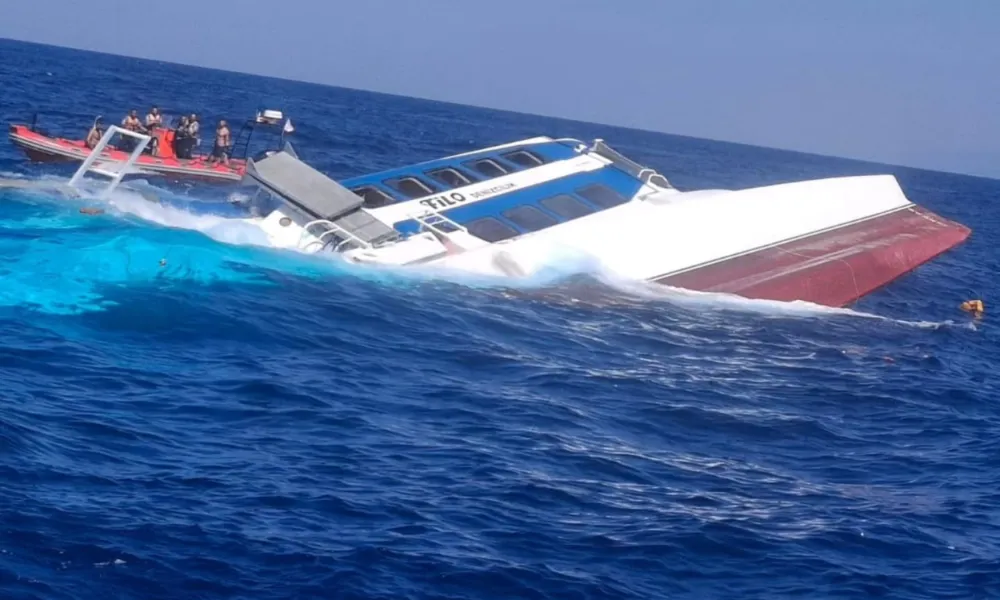
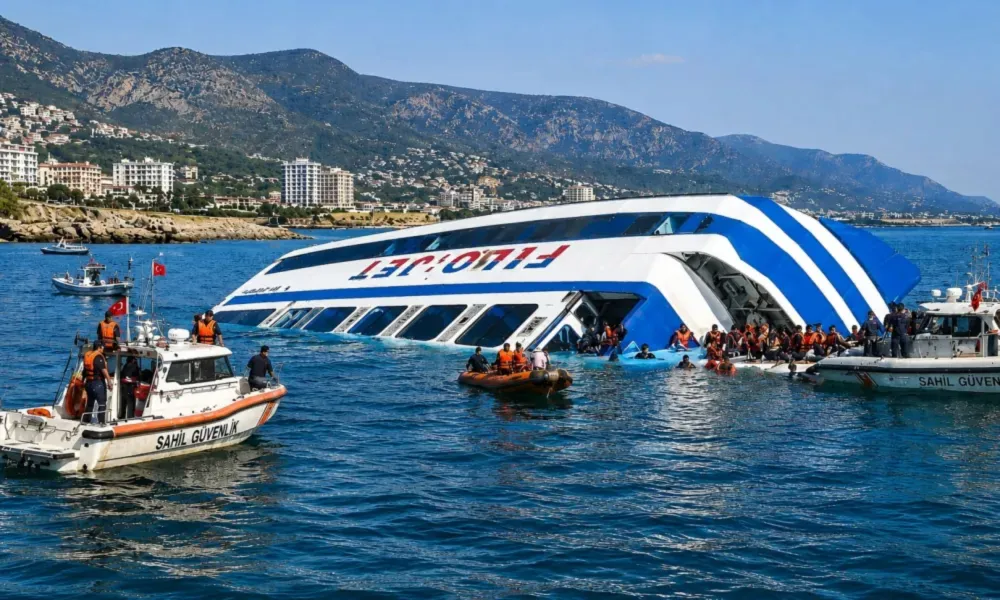
The issue takes on added significance because, according to accounts presented after the disaster, a section of the vessel's bow failed while at sea, allowing water to enter before the catamaran eventually capsized.
Until the technical examination of the wreck is completed, no link has been established between the damage described by Kılıç in 2016 and the structural failure reported before the sinking of the FİLO JET.
Source: Haber Kıbrıs, Kıbrıs Postası and Kıbrıs Gerçek.