
Illegal hunting in Cyprus generates more than €10 million a year, according to the Game and Fauna Service, with authorities acknowledging that existing penalties are failing to deter repeat offenders.
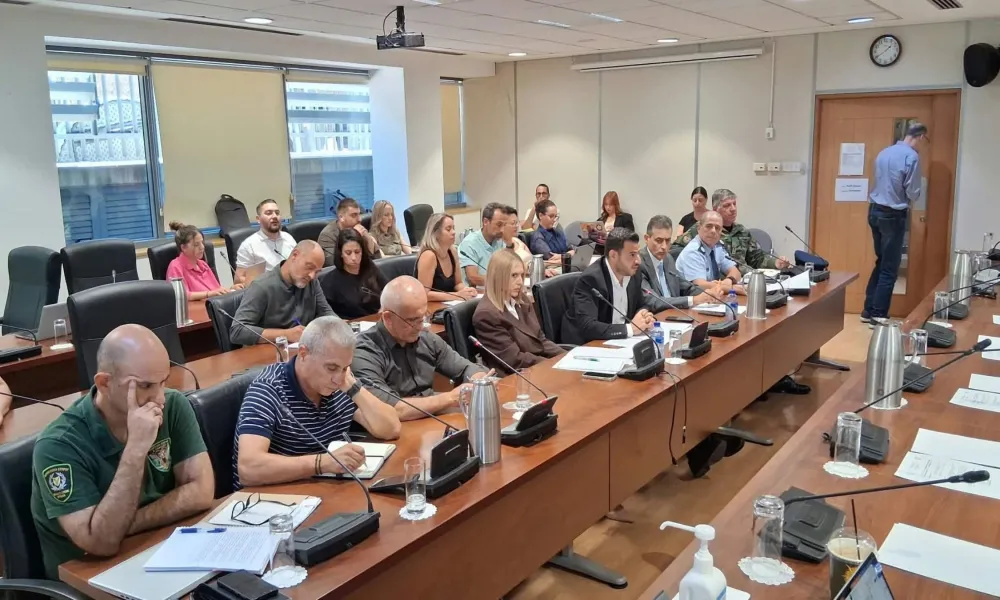
The scale of the problem emerged during a meeting of the House Environment Committee, which examined complaints involving environmental activists while also beginning a broader discussion on strengthening the Anti-Poaching Unit and introducing more effective measures against illegal hunting.
“In Androlikou, a group illegally hunts hares every night. The same people have been reported many times over the years and they do not stop,” Game and Fauna Service Director Pantelis Hadjigerou told MPs.
Calls for tougher penalties
Hadjigerou suggested measures including freezing offenders’ assets, suspending driving licences or removing their right to possess firearms.
He argued that penalties imposed in poaching cases are not sufficiently deterrent, particularly given the substantial profits generated by illegal hunting.
According to Hadjigerou, courts sometimes hear several cases together and ultimately impose penalties considerably lower than the original out-of-court fines, with offenders earning thousands of euros sometimes permitted to repay fines in monthly instalments of €50.
One trapper, the committee heard, was reported seven times within one year and fined €13,500. He paid the amount in cash but was reported again a week later.
Complaints against CABS activists
The committee also revisited allegations concerning activists from the international environmental organisation CABS and claims of harassment against legal hunters.
Seeking to challenge a claim made by Police at an earlier committee meeting that complaints against activists came only from poachers, ELAM MP Linos Papayiannis cited around 10 cases in which legal hunters or property owners allegedly complained to Police about CABS members.
Among the examples was an incident in Kiti during the second hunting outing of 2025.
According to Papayiannis, three legal hunters noticed three CABS activists observing them and asked why they were nearby. The activists reportedly replied that they were “working” and protecting birds that the hunters would kill.
All six subsequently went voluntarily to Kiti Police Station.
Papayiannis claimed Police accepted the complaint submitted by the three activists but did not accept that of the hunters. He asked Police to clarify whether it did not wish to receive such complaints.
Legal gap over harassment
Hadjigerou acknowledged that there is a gap in legislation concerning harassment of legal hunters by activists.
“We will mourn victims, and that is why we are promoting legislation to protect legal hunting,” he said.
AKEL MP Nikos Kettiros said harassment of legal hunters was wrong but stressed that tackling poaching required decisive action.
He said he had received information from the Game and Fauna Service and Police that numerous complaints had been made against hunters in recent days.
Kettiros warned that ordinary hunters could ultimately pay the price while major poachers escaped effective enforcement.
Police cite ‘difficult year’
Deputy Police Chief Michalis Katsounotos requested details of the individual cases raised so that Police could respond specifically.
He acknowledged that Police activity against poaching may not have been as intensive this year as in previous years, attributing this to what he described as a “difficult year” involving increased responsibilities.
These included duties associated with the EU Presidency and patrols connected with foot-and-mouth disease.
Responding to calls for the Anti-Poaching Unit to be strengthened, Katsounotos said there was operational flexibility and that significant additional personnel from MMAD could be deployed if needed.
Environmental groups say they are being targeted
Environmental organisations OPOK, Terra Cypria and BirdLife Cyprus told the committee that they did not believe anyone should be above the law.
At the same time, they complained that environmental organisations were being targeted, pointing to the way the issue submitted for discussion by ELAM MPs had been framed.
Despite the debate over relations between activists and legal hunters, the discussion ultimately highlighted poaching as the considerably larger challenge, with authorities themselves acknowledging the scale of the illegal trade and the limited deterrent effect of existing penalties.