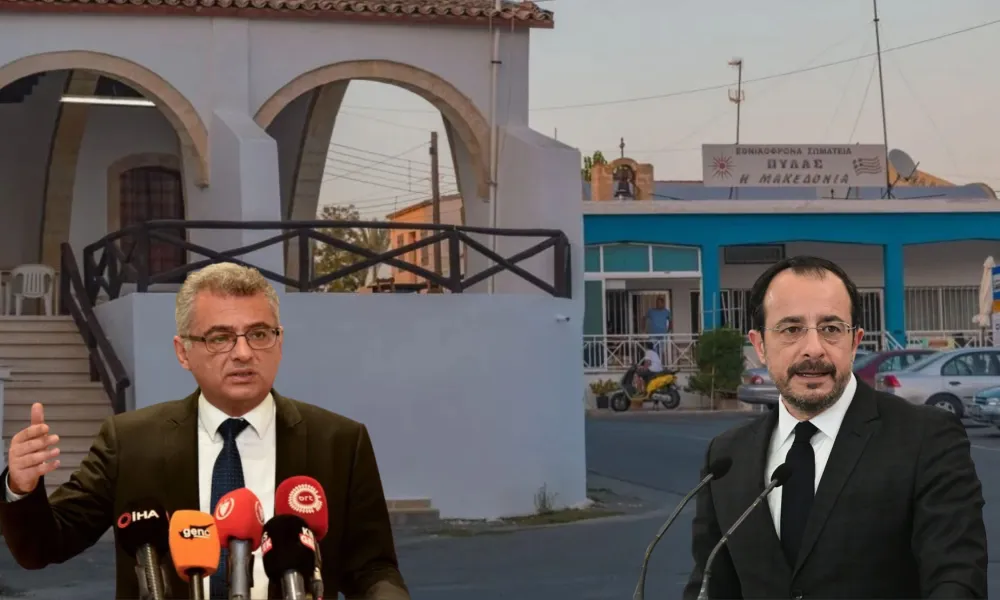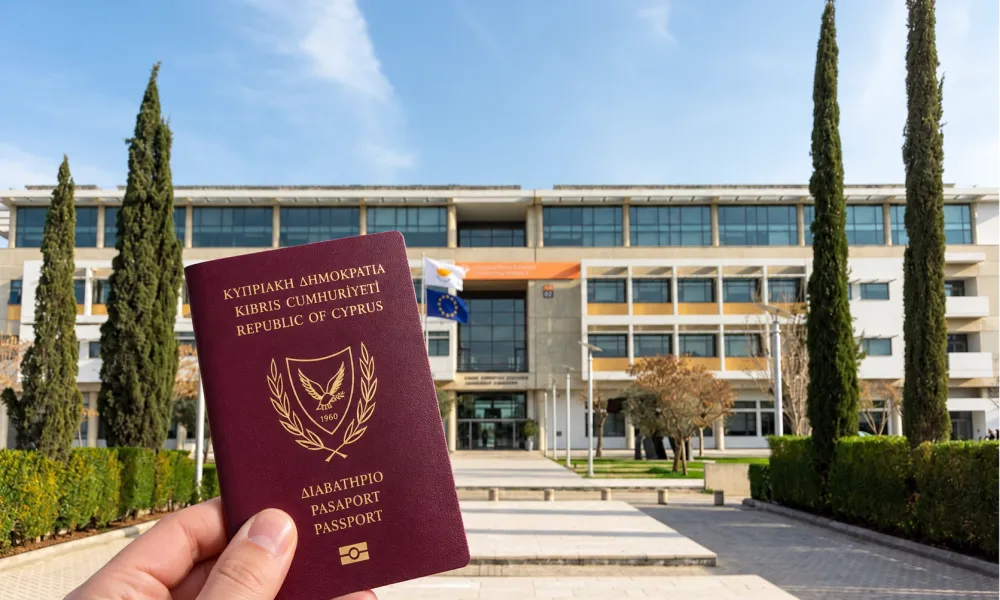

The rector of the University of Cyprus, Tasos Christofides, has criticised the rejection of a citizenship application submitted by a young man of Kurdish origin who grew up and studied in Cyprus, contrasting the decision with past naturalisations granted under the now-defunct golden passports scheme.
According to Christofides, the man arrived in Cyprus by boat at the age of seven after his family fled political persecution in Turkey. He attended Cypriot schools, completed his secondary education and secured a place at the University of Cyprus through the national entrance examinations.
The case was highlighted by the rector in a social media post following the recent naturalisation of photographer Borak Markovic.
Rejected despite studying and working in Cyprus
Christofides said the young man graduated from the university's Department of Byzantine and Modern Greek Studies and is currently employed on European Union-funded programmes.
Despite his educational and professional record, his application for Cypriot citizenship was reportedly rejected on the grounds that he would constitute a burden on the Republic.
The rector strongly challenged that reasoning, describing the applicant as someone who considers Cyprus his homeland and even wishes to complete military service in the country.
"Would a child with a diamond-like character, who lives as a Cypriot and feels Cypriot, be a burden on the Republic of Cyprus?" Christofides asked.
He also contrasted the rejection with citizenships granted through the controversial investment programme, referring to "all kinds of fraudsters" who had obtained Cypriot nationality under the scheme.
Family fled political persecution
According to the report, the case dates back to the administration of former president Nicos Anastasiades and concerns a member of a large Kurdish family that left Turkey because of political persecution.
The family sought refuge in Cyprus and settled on the island, attempting to rebuild their lives with support that reportedly included assistance from the Church.
Over the years they faced significant hardship, including the loss of the children's mother at a young age.
Despite those difficulties, the children continued their studies, with some eventually gaining admission to the University of Cyprus.
Case reportedly reached the presidency
The report says the family's situation was also examined by a law firm involved in efforts to address residency and naturalisation issues.
According to Politis, the matter was later brought to the attention of President Nikos Christodoulides' office.
The newspaper reports that no response was received.