
Inflationary pressures remained elevated in Cyprus at the end of the first nine months of the year, adding to challenges for household purchasing power and business operating costs.
According to Eurostat's preliminary estimate, annual inflation in Cyprus stood at 5.2% in September 2026, unchanged from August and the third-highest rate in the European Union.
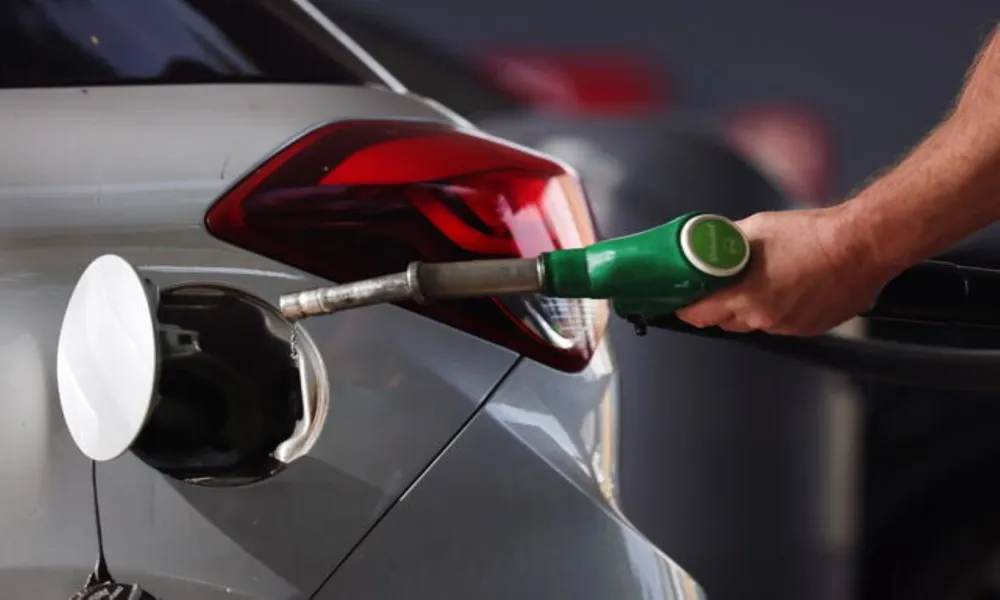
High energy prices continued to fuel inflation across key sectors of the economy despite a monthly slowdown. Compared with August, the Harmonised Index of Consumer Prices (HICP) is estimated to have fallen by 0.4%.
Inflation accelerated across Europe. In the euro zone, annual inflation is estimated to have risen to 3.8% in September 2026 from 3.2% a month earlier. Energy prices increased by 18.8%, up from 14.3% in August, while services inflation rose to 3.2% from 3.0%. Food, alcohol and tobacco increased by 1.4%, compared with 1.1% in August, while non-energy industrial goods rose by 1.1%, against 1.2% the previous month.
Recent developments in Cyprus' HICP point to a sustained wave of price increases. Annual inflation stood at 0.0% in September 2025 before rising to 3.0% in April 2026, 3.5% in May, 4.1% in June and 4.4% in July. Inflation peaked at 5.2% in August and remained at the same level in September, underlining the economy's vulnerability to fluctuations in energy prices.
According to an analysis by the Fiscal Council, the dependence of domestic electricity generation and transport on international fuel price movements is transmitting inflationary pressures throughout the production chain. Increases in electricity and fuel costs are rapidly passed on to the final prices of goods and services, trapping the market in a cycle of rising costs.
Call for energy storage
To reduce that vulnerability, the Fiscal Council stressed the need for medium and long-term measures and strongly recommended targeted investment in energy storage.
According to the council, the installation of centralised and standalone storage systems is the only sustainable way to fully utilise renewable energy sources and avoid large-scale curtailment of green electricity generation.
Such a strategy would help contain electricity prices, reduce dependence on imported conventional fuels and strengthen the resilience of the Cypriot economy against future external shocks.