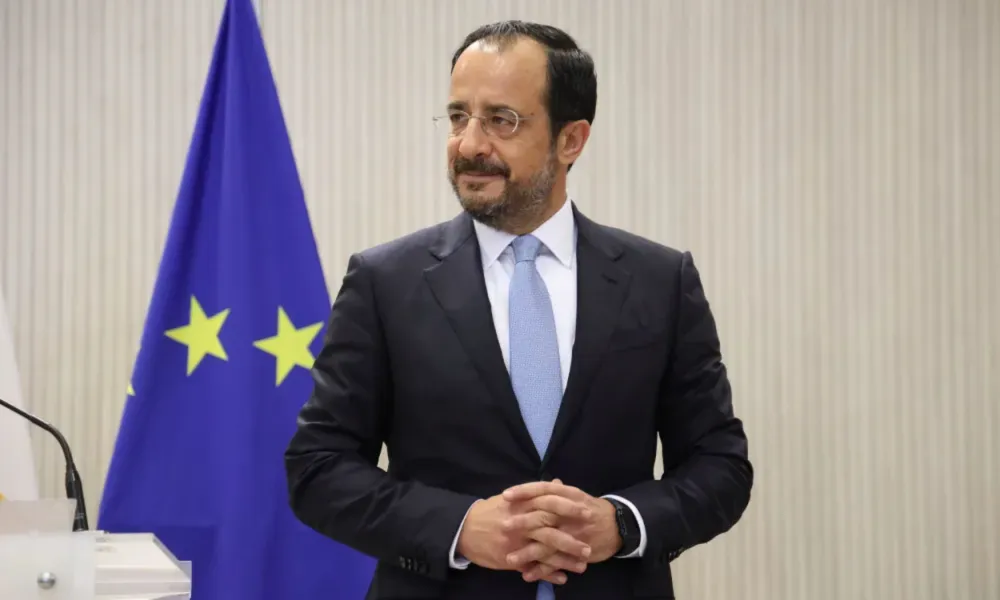

The abolition of teacher appointment lists should be accompanied by a genuinely merit-based examination system that ensures transparency, fairness and equal opportunities, according to OLTEK President Panayiotis Lysandrou.
In an interview with the Cyprus News Agency, Lysandrou also highlighted growing interest in technical and vocational education, alongside rising demand for skills linked to computer engineering, digital technologies and information technology.
Teacher evaluation and appointments
OLTEK supports a modern, objective and reliable teacher evaluation system designed to improve educational standards rather than punish educators, Lysandrou said.
“Evaluation should serve as a tool for feedback, professional development and continuous improvement, while respecting the role and contribution of teachers,” he added.
Commenting on the Education Minister’s proposal for teacher appointments, Lysandrou said the first priority must be to safeguard the employment prospects and career development of educators who are already serving or have previously worked in public education.
Schools must also be adequately staffed through genuinely merit-based examinations, without the distortions and inequalities identified in recent years.
“An appointment system must inspire confidence, ensure equal opportunities for everyone and primarily serve the needs of public education,” he said.
Under these conditions, OLTEK supports abolishing the existing appointment lists and introducing a new examination-based ranking system founded on transparency, objectivity and fairness.
Lysandrou stressed that any education reform should be introduced through meaningful dialogue and consensus to strengthen public schools and safeguard the stability and quality of the education system.
Growing interest in technical education
Technical and vocational education in Cyprus has entered a new era, Lysandrou said, with steadily rising student numbers showing that society increasingly recognises its value and employment prospects.
Technical schools now offer modern specialisations, direct links with the labour market and opportunities for students to continue into post-secondary and higher education.
Graduates also have strong employment prospects and can secure competitive salaries, reflecting the significant demand for trained technicians and other skilled professionals.
Lysandrou attributed this progress to the combined efforts of teachers, school administrations, the Directorate of Technical and Vocational Education and the Education Ministry.
“Our teachers, through their professionalism, dedication and continuous training, are the most important factor behind this success,” he said.
He also described the Technical Gymnasium as an important innovation, allowing pupils to engage with technology at an earlier age, identify their strengths and interests and make more informed decisions about their future studies and careers.
Technical and vocational education, he added, has become an equal and deliberate educational choice that offers opportunities to young people while creating value for Cyprus’s economy and society.
Preparing for future labour needs
The greatest challenge is ensuring that technical and vocational education keeps pace with technological developments and the changing needs of the labour market, according to Lysandrou.
This requires the continuous revision of curricula through an established and scientifically supported mechanism.
OLTEK has proposed creating a permanent scientific committee comprising representatives from the Education Ministry, the Directorate of Technical and Vocational Education, the Labour Ministry, the Human Resource Development Authority, the Employers and Industrialists Federation, the Cyprus Scientific and Technical Chamber and other relevant bodies.
The committee would assess expected labour-market needs over a 15-year period, allowing schools to prepare students for future professions rather than focusing only on current vacancies.
Most pupils enter technical education at the age of 14 or 15 and may not join the labour market for another 10 to 15 years, particularly if they continue into post-secondary or university education.
Curriculum planning must therefore anticipate the skills and professions the Cypriot economy will require in the future.
Pressures facing technical teachers
Teachers in technical and vocational education work in a demanding environment that is constantly changing, Lysandrou said.
Beyond growing learning requirements, they must respond to new educational, social and technological challenges. Their role is not limited to transferring knowledge but also includes mentoring and supporting pupils according to their individual needs.
OLTEK is calling for continuous, high-quality teacher training, modernised infrastructure and equipment, reduced bureaucracy and stronger support for educational work.
These measures would allow teachers to devote more time to instruction, guidance and student support.
“The quality of technical and vocational education is directly linked to the quality of its teachers,” Lysandrou said, adding that investment in educators also supports economic development and the country’s future.
Infrastructure and industry cooperation
Significant progress has been made in upgrading the infrastructure and equipment of technical schools in recent years, according to Lysandrou.
OLTEK continues to submit proposals for further modernisation in areas where needs remain.
Closer cooperation between technical schools, businesses and industry is also considered essential. Exposure to real working conditions gives pupils valuable experience and helps ensure that courses remain relevant to labour-market requirements.
The objective is for graduates to acquire both the theoretical knowledge and practical skills needed to enter employment successfully.
Skills expected to be in demand
Demand is expected to increase for specialisations linked to computer engineering, digital technologies and information technology.
Traditional technical professions, however, will remain important, with the labour market continuing to need qualified technicians and skilled workers.
Lysandrou said artificial intelligence was a valuable tool but could not replace human knowledge, experience, judgement and practical ability.
It cannot replace electricians, plumbers, vehicle mechanics, construction workers, cooks, carpenters, farmers or other technical professionals, he added.
Those who combine strong technical training with the ability to use emerging technologies and artificial intelligence are expected to become even more sought after.
OLTEK’s vision for technical education
OLTEK’s goal is to establish a modern, high-quality and equal system of technical and vocational education and training in Cyprus.
This would require modern facilities, highly trained teachers, closer cooperation with industry and curricula designed around the professions of tomorrow.
Lysandrou said every investment in technical and vocational education is an investment in Cyprus’s development, competitiveness and future.
He called on all officials involved in shaping education policy to treat the sector as a strategic priority and support it consistently in recognition of its role in the economy and society.
Source: CNA.