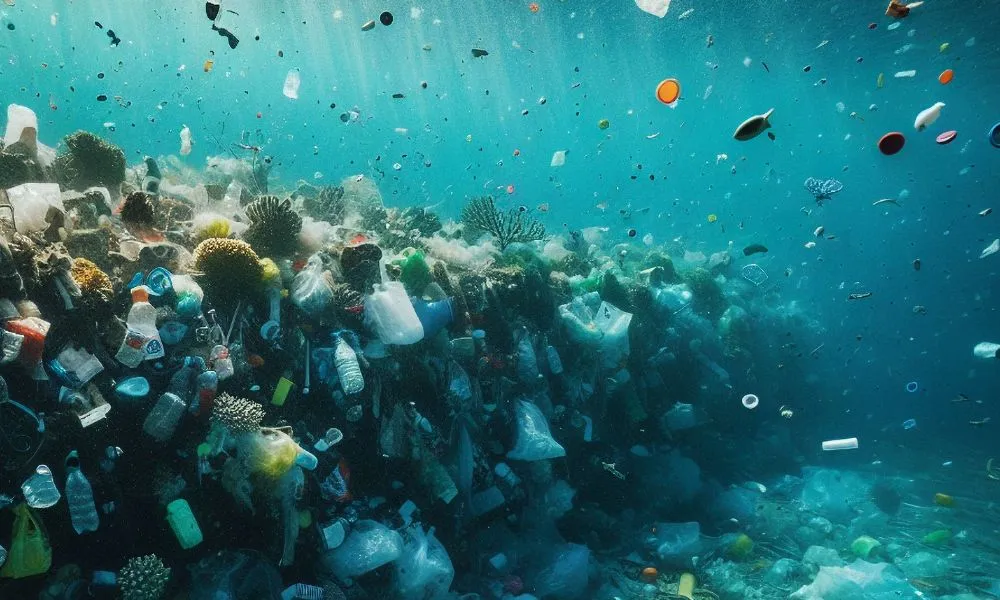
'Forever chemicals' are toxic chemical compounds known as PFAS, which can take hundreds of years to break down in the environment. They have been used for decades in everyday products such as non‑stick cookware, waterproof fabrics, food packaging and firefighting foams. Scientists warn that these chemicals gradually accumulate in water, soil and in the bodies of animals and humans, raising serious public health concerns.
Forever chemicals: How they end up in seafood, according to research
According to Sky News, new findings show that these substances have now been detected across the entire marine food chain, from small marine organisms to fish and seafood that reach people’s plates.
According to new research, toxic compounds that can take centuries to break down are being found across the marine food chain, even in the seafood we eat. Science correspondent @SkyNewsThomas looks at how this could be happening.https://t.co/0cbRaTNTp8 pic.twitter.com/h3jKX1C24J
— Sky News (@SkyNews) May 19, 2026
Experts are examining how these chemicals reach the seas. One of the main pathways appears to be through industrial waste, sewage and contaminated water, which carry the substances into oceans and coastal areas.
From there, the chemicals are absorbed by small marine organisms and gradually pass to larger fish and other species through the food chain.
Scientific concern is also linked to potential health effects. Studies have associated exposure to these substances with an increased risk of certain cancers, hormonal disorders, immune system problems and liver damage.
EDF senior chemicals expert Maria Doa spent decades at EPA protecting people from toxic chemicals.
— EDF (@EnvDefenseFund) May 18, 2026
After new EDF research revealed chemicals linked to cancer are still allowed in & around our food, we asked her what people should know—and what we can do. https://t.co/a03RmqYvcg pic.twitter.com/NYLJgc5ajM
Forever chemicals: The risk for children
It is worth noting that a study by the University of California, Irvine (UCI), published in the Journal of Exposure Science & Environmental Epidemiology, found that early‑life exposure to “forever chemicals” (PFAS) is associated with a higher risk of acute lymphoblastic leukaemia, the most common childhood cancer.
PFAS are found, among other things, in drinking water, food and beverage containers, non‑stick cookware and stain‑resistant fabrics. They do not break down easily and can accumulate in the body over time.
In the study, researchers analysed dried blood spots from newborns. A total of 125 children who were later diagnosed with acute lymphoblastic leukaemia between the ages of 0 and 14 were included, along with 219 children without cancer. All were born in Los Angeles County between 2000 and 2015.
The researchers also examined the mothers’ residential addresses at the time of birth and correlated them with measurements of 'forever chemicals' in drinking water.
In the blood samples of newborns, 17 PFAS were detected, with the chemicals PFOA and PFOS found at very high levels. Children with higher levels of these substances were more likely to develop leukaemia, although researchers note that the estimates were not precise. The risk also appeared to increase with combined exposure to the two chemicals.
This followed earlier research by the same team, which tracked PFAS exposure in drinking water among more than 40,000 children in California and also linked higher levels of two common PFAS chemicals, PFOA and PFOS, with increased risk of several childhood cancers.
Source: skynews