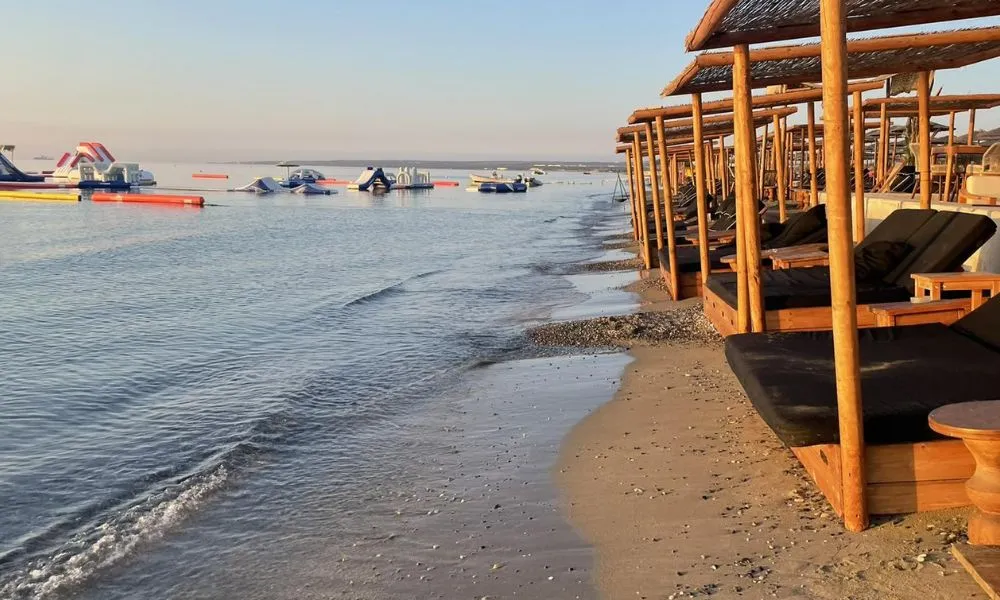

The situation prevailing for yet another summer at the otherwise protected Lady’s Mile beach is unacceptable. The area falls under the jurisdiction of the British Bases which, although they state that they are “monitoring the issue,” in practice appear unable to respond to blatant illegalities. As the environmental organisation Terra Cypria alleges, illegal and disruptive activities during the evening hours have intensified, the provisions of the law regarding sunbeds are not being observed, and the sunbeds have been turned into heavy structures that are not removed from the beach at night, disturbing turtles.
In its statement, Terra Cypria argues that the image the beach currently presents amounts to serious environmental degradation, despite the fact that it is an area of particular ecological value and is protected by the legislation in force. As it states, the lack of meaningful management and effective controls has allowed the entrenchment of practices that place one of Cyprus’s most important coastal ecosystems at risk.
Particular reference is made to the loggerhead turtle and the green turtle, which use the area for reproduction and nesting. Terra Cypria points out that the two protected species are being negatively affected by light pollution, loud music and the night parties held on the beach or at neighbouring facilities, as well as by the constant human presence during the evening hours.
At the same time, it is alleged that equipment such as sunbeds, umbrellas, tables and other heavy structures remain on the beach throughout the night, whereas according to the provisions cited by Terra Cypria they should be removed so as not to obstruct the approach of turtles and the nesting process. There is also reference to sea sports and other leisure activities which, according to the organisation, are being carried out without the necessary environmental approvals or adequate supervision.
The statement also highlights problems such as the uncontrolled movement and parking of vehicles on the beach and sand dunes, the presence of dogs, camping, lighting of fires and inadequate cleanliness. Terra Cypria argues that all of the above create a picture of systematic tolerance towards illegalities, with the result that both biodiversity and the public character of the beach are being harmed.
The environmental organisation calls on the administration of the British Bases to move immediately to enforce the legislation, by intensifying inspections during the nesting period, removing illegal or unsuitable structures, restricting light and noise pollution, banning night-time events that affect wildlife and imposing strict penalties on those who violate the regulations. At the same time, it is asking for greater transparency regarding the permits and operating conditions of businesses active in the area.
What the Bases say
Responding to the criticism, the British Bases say they recognise the challenges created by the management of an environmentally sensitive area with heavy visitor traffic and underline that the protection of nature is a priority. As they note, during the previous season almost 300 sea turtle nests were recorded on their beaches, daily patrols and clean-up actions are carried out, and a strict protection framework is in place with significant fines and prison sentences for violations. In addition, they point out that protective cages are used at nests and that they remain committed to enforcing the legislation and preserving the sensitive ecosystems of the area.