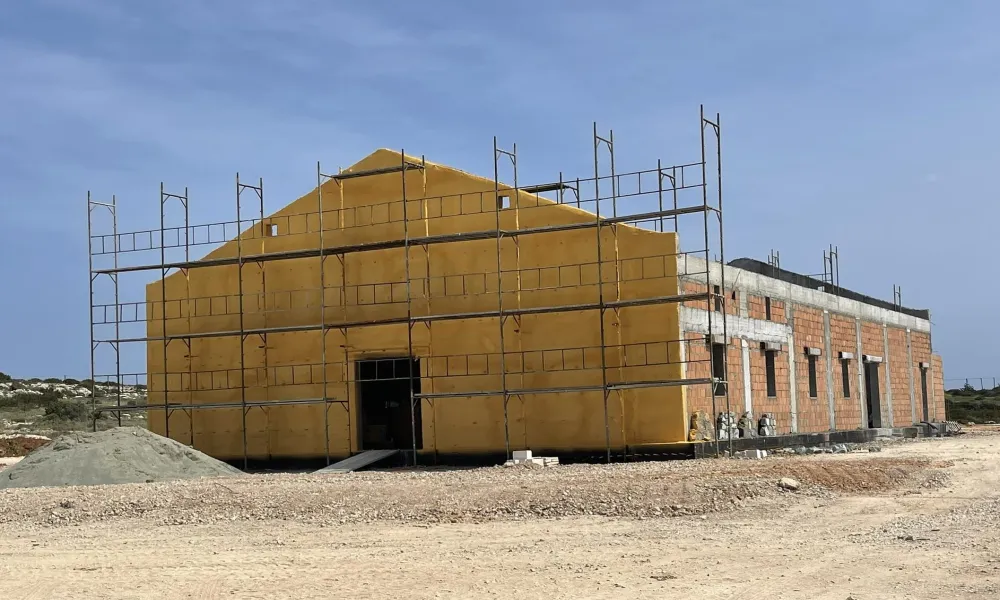

The Audit Office has warned that it could file a formal complaint with the European Commission if authorities proceed with the retrospective legalisation of unauthorised constructions built by the Metropolis of Constantia and Famagusta within the protected Natura 2000 area of Cape Greco.
In a statement, the Audit Office said Cyprus has a binding obligation under EU law to protect Natura 2000 sites and stressed that revised plans or environmental studies submitted after construction cannot be used to bypass legal requirements.
The office said any assessment must take into account all interventions already carried out, their environmental impact and any obligations relating to the restoration of damage.
Environmental authority raises concerns
Particular reference was made to a letter sent by the Environmental Authority to the Council for the Study of Planning Deviations (Symepa) on September 4, 2026.
According to the Audit Office, the Environmental Authority concluded that the project had already affected the integrity of the protected area.
The authority pointed to impacts arising from construction activity, land occupation and sealing, as well as increased human activity. It noted that the works were carried out without the required environmental assessment and without mitigation measures being implemented during construction.
For these reasons, the Environmental Authority has recommended rejecting the application for a planning deviation.
Wider concerns over planning enforcement
The Audit Office linked the case to broader weaknesses in planning enforcement and oversight mechanisms.
It referred to its special report of October 21, 2026, which identified risks that retrospective legalisation of unauthorised developments could undermine planning policy.
Among the concerns highlighted in that report were instances where recommendations were altered without sufficient justification and cases where approvals were recommended without the required environmental assessment.
The Audit Office described the monastery case as indicative of a wider problem in public administration, arguing that significant public resources are being spent dealing with the consequences of an unlawful development rather than ensuring compliance from the outset.
It also criticised what it described as the inability of authorities to enforce the law effectively, even after enforcement notices had been issued and attempts to suspend them had been rejected by the courts.
Warning over "faits accomplis"
According to the Audit Office, a prolonged failure to enforce planning law risks creating the impression that unauthorised developments can eventually be legalised.
"The creation of faits accomplis cannot ultimately lead to their legalisation," the statement said.
The office warned that if there are indications that legalisation would breach obligations arising under EU law, it intends to submit a documented complaint to the European Commission seeking an investigation into a possible infringement by the Republic of Cyprus.
It added that it is already examining whether there are grounds to inform the Commission, regardless of the final decision on the pending licensing application.
The Audit Office concluded that environmental protection, equality before the law and respect for legality cannot be subordinated to faits accomplis and that legislation must be applied consistently, regardless of the identity or status of the party responsible for unauthorised works.