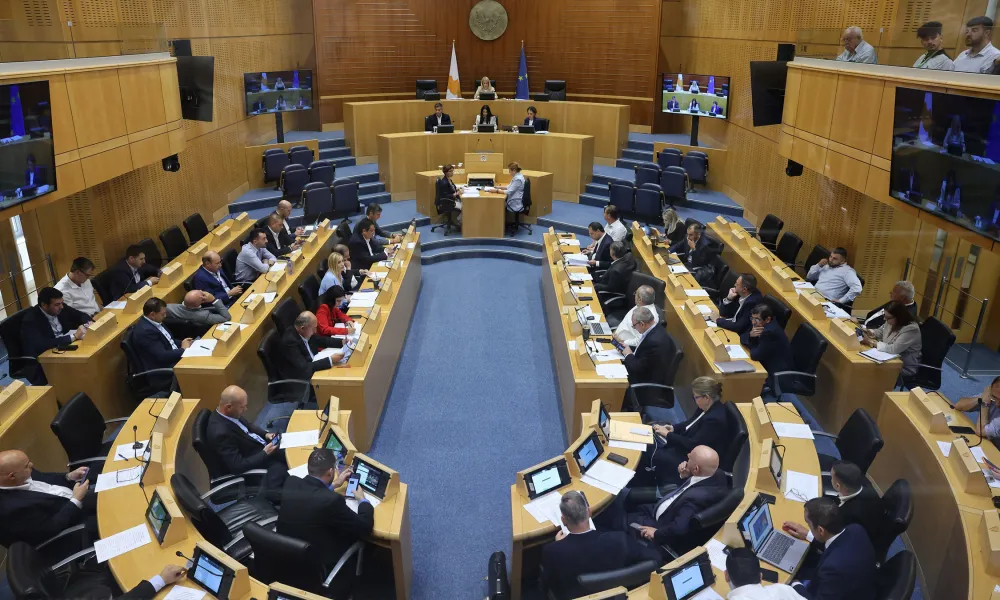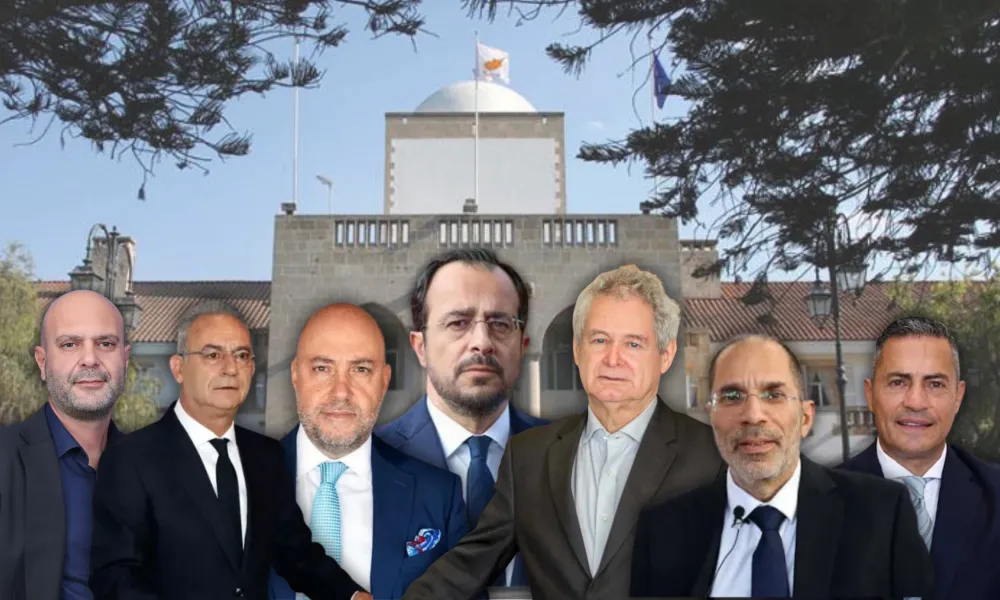

Candidates for the 2028 presidential election may not yet be confirmed, but political parties have already begun exploring potential alliances aimed at strengthening their eventual candidates.
Since no party and no prospective candidate currently commands the majority needed to secure election, the search for alliances may prove even more important than the identity of the candidate itself. As previous presidential elections have shown, alliances often determine the eventual outcome and, ultimately, the winner.
It is therefore natural, necessary and entirely legitimate for parties and aspiring candidates to begin sounding out possible partnerships.
What is less legitimate is for those alliances to be built solely on adding up percentages and votes, driven by political convenience rather than shared objectives.
Alliances should be based on common policy positions and broadly compatible approaches to the major issues facing the country, society and citizens. This does not mean complete agreement or identical positions on every issue, but it does require a minimum degree of convergence.
Differences between presidential candidates, political parties and the various groups that may choose to support them are inevitable. On major issues, however, there cannot be fundamentally opposing and irreconcilable positions.
The most important issue facing Cyprus remains, unfortunately, the unresolved Cyprus problem and the effort to end the occupation, prevent partition and reunify the country.
For that reason, individuals, parties and political forces with fundamentally opposing views on the Cyprus issue should not be expected to coexist within the same electoral alliance.
It makes little sense, for example, for a presidential candidate to seek support simultaneously from parties that advocate a federal solution to the Cyprus problem and from parties that are firmly opposed to such a solution.
Nor does it make sense to pursue alliances with parties that regard a settlement of the Cyprus issue as a priority while also seeking support from parties that are content with the current status quo.
Unfortunately, the initial contacts and exploratory discussions already taking place behind the scenes suggest that these distinctions are far from clear.
Instead, there appears to be a willingness among some political actors to talk to anyone, regardless of policy differences, in the hope of adding a few more votes to their tally.