
More than 230,000 eligible beneficiaries had not received a single dose of the shingles vaccine by the end of May 2026, despite a noticeable increase in vaccinations compared with last year.
Data obtained by Politis from the Health Insurance Organisation (HIO) show that during the first five months of 2026, a total of 238,252 beneficiaries met the eligibility criteria for shingles vaccination and had not previously received a dose between 2022 and 2025.
Of those, only 7,355 had received at least one dose by the end of May, leaving approximately 230,900 people unvaccinated.
In 2025, there were 247,750 eligible beneficiaries, of whom 11,892 were vaccinated.
Vaccination rate increasing
Although overall coverage remains low, vaccination uptake has accelerated.
During the first five months of 2026, more than six in every ten vaccinations recorded during the whole of 2025 had already been administered.
The comparison also shows a significant increase in the average monthly vaccination rate.
In 2025, an average of 991 vaccinations were administered each month. During the first five months of 2026, that figure rose to approximately 1,470 vaccinations per month, representing an increase of nearly 50%.
Who should be vaccinated?
Under Cyprus' National Vaccination Programme for Adults and Special Groups, the shingles vaccine is recommended for:
- People aged 60 and over;
- Adults aged 18 and over who belong to high-risk groups;
- Severely immunocompromised patients;
- Rheumatology patients receiving biological therapies.
Depending on the vaccine used, immunisation consists of two doses administered two months apart.
Protection against serious complications
Consultant physician Vasiliki Evstathiou told Politis that shingles is caused by the reactivation of the chickenpox virus, which remains dormant in the body and can reappear decades later.
According to Evstathiou, the risk increases with age and among people with weakened immune systems.
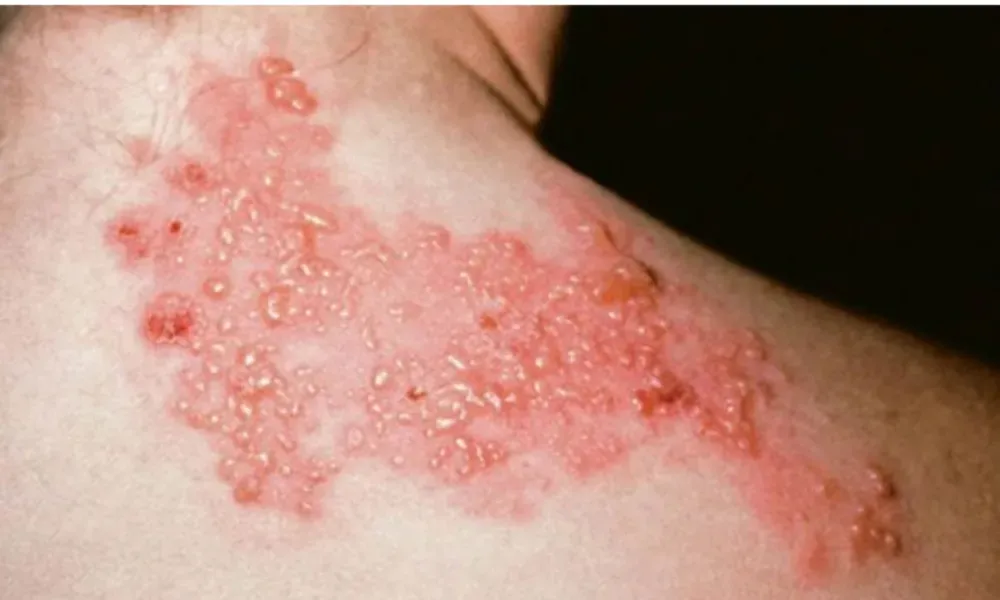
The condition usually begins with severe pain, burning sensations or tingling, followed by a characteristic blistering rash, typically affecting one side of the body.
“It is not always a simple skin condition,” Evstathiou said.
She noted that in many patients, particularly older adults, pain can persist for weeks or even months after the rash disappears, a condition known as post-herpetic neuralgia.
In some cases, particularly when the area around the eye is affected, more serious complications can occur.
Evstathiou stressed that vaccination remains the most effective way of preventing both shingles and its complications and urged those in eligible groups to discuss the timing of vaccination with their personal or treating physician.