Uzbekistan, Curaçao and Cape Verde are three of the four countries making their historic debut – alongside Jordan – at the expanded 2026 World Cup, which has captivated football fans worldwide and runs until 19 July, when the final will take place.
For those less interested in football, who find themselves “forced” to watch matches in family living rooms, attention often drifts. They follow the games sideways, picking up bits of information about the host nations, participating countries and players, or anything else that catches their interest beyond goals and spectacle.
That is exactly what we did. We searched for information on three of the four nations making their World Cup debut – Jordan is relatively familiar to us – and here is what we found.
Uzbekistan
Uzbekistan’s national team became the first Central Asian country – and only the third former Soviet republic after Russia and Ukraine – to qualify for a World Cup finals.
It is one of only two countries in the world, the other being Liechtenstein, that is surrounded entirely by landlocked states. It borders Kazakhstan, Kyrgyzstan, Tajikistan, Afghanistan and Turkmenistan. In 2026, it was the most populous country in Central Asia, with 38 million residents – roughly half the region’s population.
Its capital, Tashkent, boasts one of the most remarkable metro systems in the world, with stations decorated with mosaics, chandeliers and space-age themes resembling underground art galleries. The city is also home to the Samarkand Quran, believed to be the oldest written copy of the Quran, dating back to the seventh century.
Uzbekistan was part of the Sassanid Persian Empire, the last pre-Islamic Iranian empire, and later the Timurid Empire. In the early 16th century, it was settled by Uzbek nomadic tribes of Turkic origin.
In the 19th century, it was incorporated into the Russian Empire, and in 1924 it became a constituent republic of the Soviet Union.
Just months before the collapse of the USSR, Uzbekistan declared independence on 1 September 1991. Islam Karimov was elected president and remained in power until 2016.
The most striking aspects of Uzbekistan relate to its economy. It is a resource-rich country, producing around 80 tonnes of gold annually – ranking seventh globally. Its copper reserves are the tenth largest in the world, while its uranium reserves rank twelfth, with production placing seventh worldwide.
The national gas company produces approximately 60 to 70 billion cubic metres annually. There are also significant untapped oil and gas reserves, with 194 hydrocarbon fields identified.
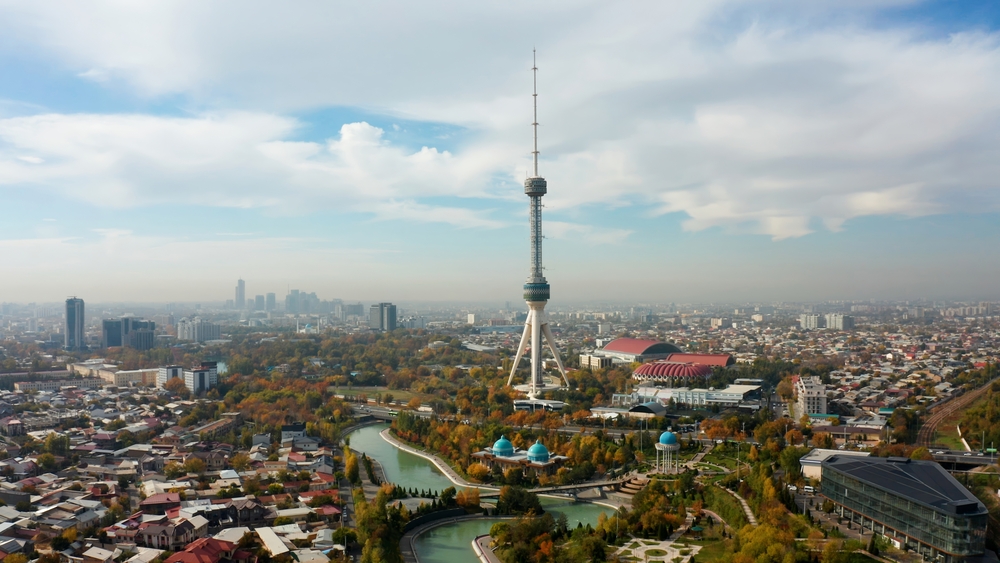
In 2011, Uzbekistan was the seventh-largest producer of cotton globally and the fifth-largest exporter. Uzbek cotton is even used in South Korea for printing banknotes.
However, past use of child labour led many Western companies to boycott Uzbek cotton. Following reforms after Karimov’s rule, international organisations have recognised progress in eliminating forced and child labour.
Corruption remains a major issue, with wealth from natural resources concentrated among a small elite, while per capita income remains below that of developed economies, discouraging foreign investment.
Curaçao
Curaçao made history as the smallest country by population and size to qualify for a World Cup. It is an island state in the southern Caribbean, located just off the coast of Venezuela, and forms part of the Kingdom of the Netherlands alongside Aruba and Sint Maarten.
While it has internal autonomy, it remains linked to the Dutch crown, which has significantly shaped its history, architecture and governance.
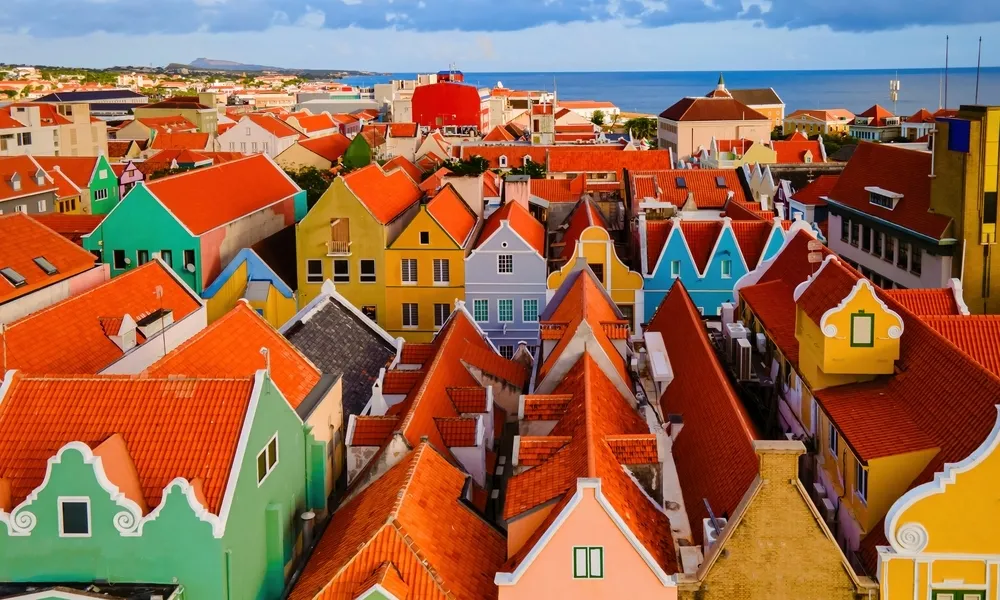
Its capital, Willemstad, is the island’s hallmark. The colourful buildings lining the harbour, cobbled streets and Dutch colonial architecture have earned it UNESCO World Heritage status. Its vibrantly painted façades are among the Caribbean’s most recognisable sights.
With a population of around 160,000, Curaçao is highly multicultural. Its official languages are Dutch, English and Papiamento, a creole language central to local identity. Due to its proximity to South America, Spanish is also widely spoken.
The economy is based mainly on tourism, financial services, port activities and oil refining. Thanks to its political and economic stability through its ties to the Netherlands, living standards are among the highest in the Caribbean.
Its natural environment is a major attraction, with more than 30 beaches, crystal-clear waters, coral reefs and excellent conditions for diving and water sports.
Unlike many Caribbean islands, it lies outside the main hurricane belt, making it an appealing year-round destination.
The island’s culture reflects its multicultural history, blending African, European and Latin American influences in music, dance, cuisine and festivals.
Colourful carnivals and local traditions are central to daily life, giving the island an outward-looking and welcoming character.
The famous Blue Curaçao liqueur takes its name from the island and is made from the peel of a special bitter orange grown there, contributing to its global recognition.
Cape Verde
Despite a population of around 600,000, Cape Verde – an island nation in the Atlantic Ocean about 600 kilometres west of Senegal – has one of the strongest national football teams in Africa.
This success is largely due to its diaspora in Portugal, France, the Netherlands and other European countries, from which many international players originate.
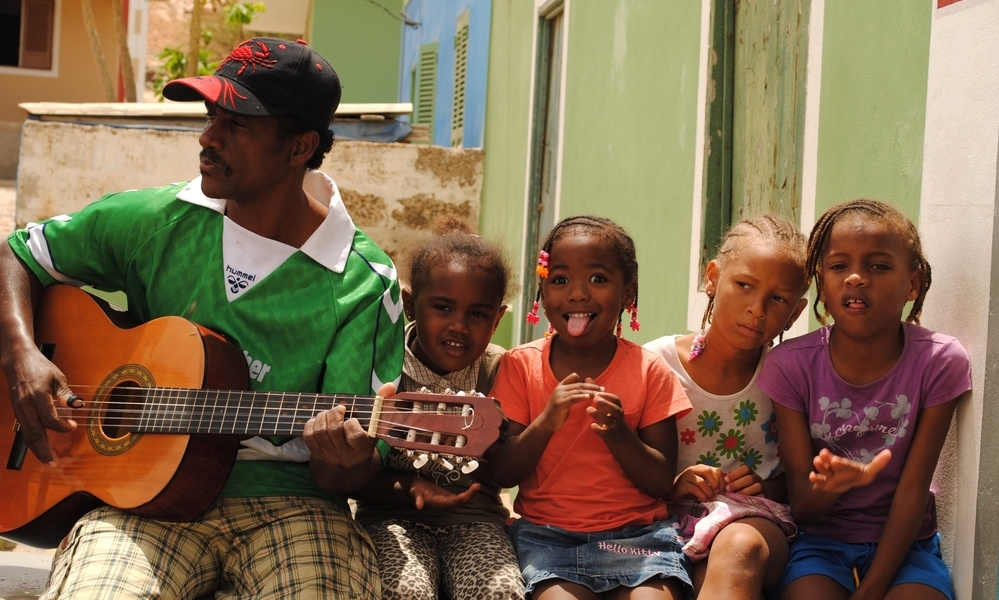
Known as the "Blue Sharks", the team reached the quarter-finals of the Africa Cup of Nations in 2013.
In its first World Cup appearance, Cape Verde stands out as the third smallest nation ever to compete in the tournament. Unsurprisingly, it quickly trended online following its performances.
The country consists of 10 main volcanic islands and several smaller islets, known for striking landscapes, sandy beaches and a distinct cultural identity.
Although geographically part of Africa, Cape Verde’s history and cultural influences combine African, European and Latin American elements.
It was a Portuguese colony for more than five centuries before gaining independence in 1975.
The capital, Praia, located on Santiago island, is the country’s administrative, economic and cultural centre. Portuguese is the official language, while a creole dialect dominates everyday communication.
Cape Verde is considered one of Africa’s most stable democracies. Despite limited natural resources and frequent droughts, it has developed a dynamic economy based on tourism, services, transport and remittances from its diaspora.
Political stability and low crime rates have strengthened its international image.
The archipelago’s natural environment is a key attraction. Each island has its own identity, from the sandy beaches of Sal to the mountainous terrain and volcanic landscapes of Fogo, home to the active Pico do Fogo volcano.
The climate is warm and dry year-round, making it a popular destination for water sports, hiking and alternative tourism.
Cape Verde also has a rich cultural heritage. It has produced internationally acclaimed artists, most notably Cesária Évora, known as the "barefoot diva", who helped popularise morna music worldwide.
Music, dance and traditions are central to national identity, expressing themes of nostalgia, migration and a deep connection to the sea.