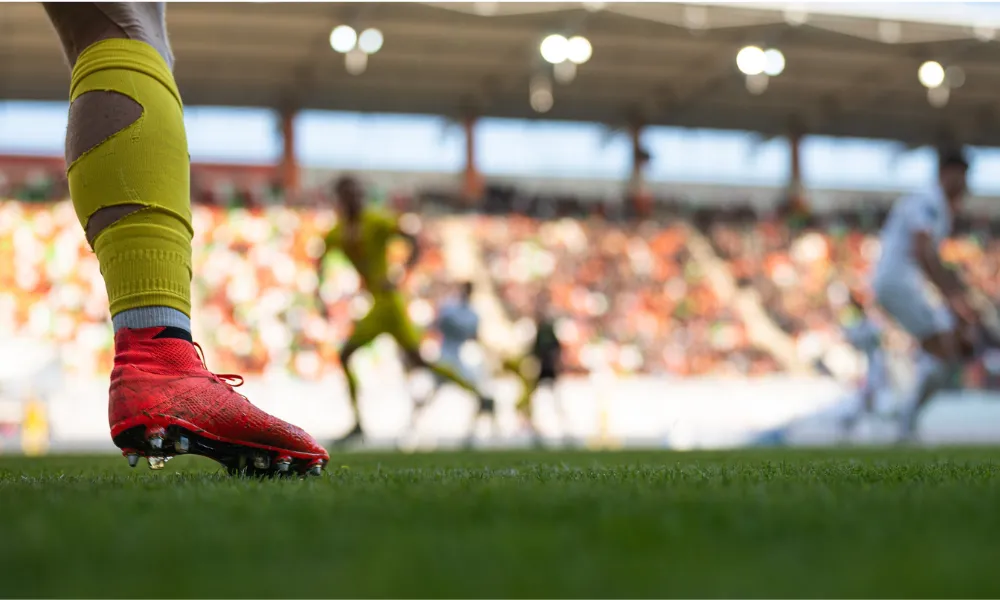

One of the more unusual sights at the 2026 World Cup has been the number of players stepping onto the pitch with several holes cut into the back of their socks.
The practice has prompted plenty of speculation online, with some fans suggesting that the cuts offer players a physical or competitive advantage. However, sports scientists say there is currently no evidence that cutting holes into football socks improves performance or prevents injuries.
The habit is not entirely new. Players have appeared with modified socks at European Championships, Olympic tournaments and domestic competitions for several years. Its growing visibility at the World Cup has simply brought the trend back into the spotlight.
Why Football Socks Can Feel Restrictive
Modern professional football socks are designed to fit tightly around the foot, ankle and lower leg. They help keep shin guards in position, manage moisture and reduce movement inside the boot, which can improve stability.
Most are made from combinations of synthetic materials such as polyester, nylon and spandex. Although these fabrics have become lighter and more durable over time, their close-fitting design can sometimes feel uncomfortable.
Some players say the socks place excessive pressure around their calves, causing tightness, tingling or even numbness during matches.
The sensation may become more noticeable during repeated sprints and rapid changes of direction. When the calf muscles contract, they temporarily become thicker as they generate the force needed to push the body forward. This happens thousands of times over the course of a match.
For players with larger calves or greater sensitivity to pressure, tightly fitted socks may begin to feel increasingly restrictive.
Cutting the Fabric to Reduce Pressure
Players usually cut several openings into the calf area in an attempt to loosen the fabric and relieve the feeling of compression.
The explanation among players is relatively straightforward: The holes allow the calf to expand more freely and make the sock feel less restrictive.
Some believe this helps reduce cramps or muscle pain. Sports medicine specialists, however, say research has not demonstrated that cutting football socks produces either of those benefits.
Studies involving properly fitted compression clothing have, in some cases, suggested that such garments may help reduce muscle swelling or support recovery following intense exercise. Cutting holes into the material could therefore remove some of the controlled compression the socks were designed to provide.
Comfort May Still Affect Performance
Although the physical benefits remain unproven, the practice may still have a psychological effect.
Comfort can influence confidence in elite sport. A player who believes their socks are restricting their movement may feel more comfortable and mentally prepared after cutting them.
Removing the source of discomfort could make the player feel freer when accelerating, sprinting or changing direction, even when there is no measurable difference in physical performance.
That does not mean the discomfort itself is imaginary. The way an athlete experiences pressure depends on individual anatomy, muscle size, sensitivity and previous experiences. Two players wearing the same socks may therefore respond very differently.
Are Players Allowed to Cut Their Socks?
Football regulations generally allow players to modify their socks, provided the equipment remains safe and their shin guards are properly covered.
The trend is therefore likely to continue, particularly as more high-profile players adopt it.
For now, the evidence suggests that cutting holes in socks is closer to a personal ritual than a scientifically proven performance technique. It may not make players faster or less vulnerable to injury, but if it makes them feel more comfortable, that may be reason enough for them to keep doing it.
Source: Wired