
The Larnaca District Local Government Organisation has intensified efforts to assess and address unsafe buildings across the district, with 1,084 properties now listed as potentially dangerous.
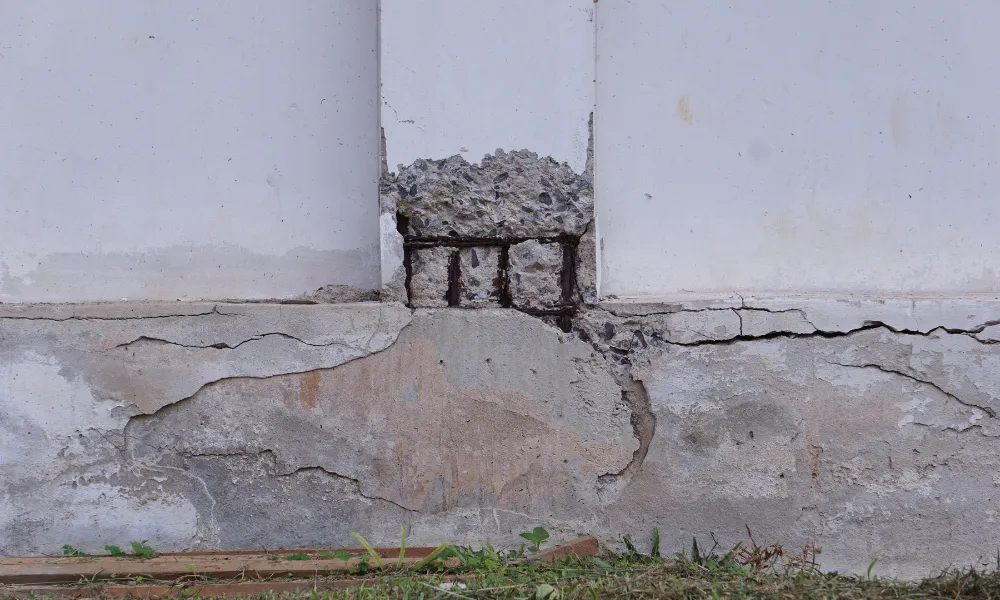
Of the buildings assessed so far, 204 have officially been classified as dangerous, including 116 placed in the highest risk category because of visible signs that they could collapse.
Register expands following inspections
When the organisation assumed responsibility from the former competent authorities, it inherited a register containing 563 potentially dangerous buildings.
Following on-site inspections, updated records and new reports submitted by residents, municipalities and community councils, the figure has risen to 1,084 properties, reflecting what the organisation described as the true scale of the issue.
A total of 310 visual inspections have been assigned to private civil engineers. Of these, 228 technical reports have been completed and returned for assessment by the Dangerous Buildings Department.
Based on those reports, 204 buildings have been classified as dangerous, while 116 have been placed in the highest category because they present an apparent risk of collapse.
Fencing, demolitions and safety measures
The organisation said 31 actions have already been taken to remove or reduce risks to public safety.
These include fencing off unsafe buildings either by the organisation or their owners, as well as the demolition of three properties by their owners following intervention by the Larnaca authority.
Other owners have appointed consultants to prepare and implement structural safety measures after receiving formal notices.
Buildings officially declared dangerous
Formal procedures to declare buildings dangerous are also under way.
Eight buildings have already been officially designated as dangerous, with the required notices posted, published and served on their owners.
The declaration process for another 10 properties is at an advanced stage. In one case, a temporary evacuation order was issued after the owners failed to comply with instructions from the competent authority.
How properties are assessed
The organisation said the management process is being implemented through a comprehensive operational plan.
This includes updating and digitising the building register, carrying out visual inspections by specialised civil engineers, assessing technical reports and classifying properties according to their level of risk.
Owners are subsequently notified and instructed to take immediate action. Where necessary, authorities may impose protective measures, order evacuations or pursue administrative and judicial proceedings in cases of non-compliance.
Estimated cost reaches €5.94 million
Technical assessments completed for 209 buildings indicate that the measures required to remove the identified dangers would cost approximately €5.94 million.
The organisation said the figure illustrates the scale of the challenge facing the district authority.
Property owners have been urged to cooperate with the competent services, respond promptly to official notices and take the necessary steps to address risks associated with their buildings.
Members of the public who identify properties that may have structural deficiencies or pose a danger to public safety are also being asked to report them to the Larnaca District Local Government Organisation so inspections can be carried out and measures introduced without delay.
The organisation said it would continue implementing its management plan, strengthening inspections and cooperating with all relevant bodies.