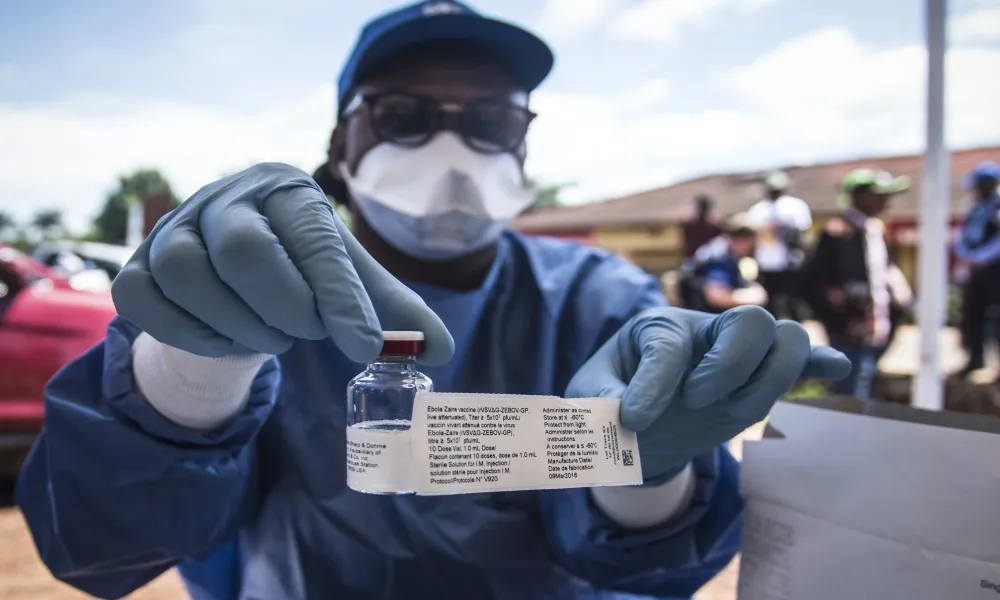

France has confirmed a case of Ebola in a doctor who recently returned from a humanitarian mission in the Democratic Republic of Congo, where a fast-moving outbreak continues to expand.
The French health ministry said the patient had tested positive after returning to France and had been placed in isolation. Health authorities have also begun contact tracing, while stressing that the risk to the wider European population remains low.
The case is linked to the current outbreak in Congo, which is caused by the rare Bundibugyo strain of the virus. According to the European Centre for Disease Prevention and Control, the outbreak had reached 1,048 confirmed cases and 267 deaths in the Democratic Republic of Congo as of 21 June, with hundreds of people hospitalised in isolation.
Outbreak centred in eastern Congo
Ituri remains the worst-affected province, while cases have also been reported in North Kivu and South Kivu. Uganda has reported a smaller number of linked cases, most of them connected to travel from Congo, according to the ECDC.
The World Health Organization has warned that the outbreak is evolving rapidly, with sustained transmission and rising case numbers in Congo. It has also pointed to the difficult conditions in affected areas, including displacement, insecurity, crowded camps and limited access to basic services, which complicate efforts to contain the disease.
Bundibugyo virus disease is a severe form of Ebola. It spreads through direct contact with the blood, secretions or other bodily fluids of infected people, or through contaminated surfaces and items. Transmission can be amplified in healthcare settings when infection prevention measures are inadequate, and during unsafe burials.
There is no vaccine for the Bundibugyo strain, and treatment relies on supportive care, according to the US Centers for Disease Control and Prevention. The agency says patients may develop symptoms including fever, headache, vomiting, severe weakness, abdominal pain and bleeding.
Source: CNA