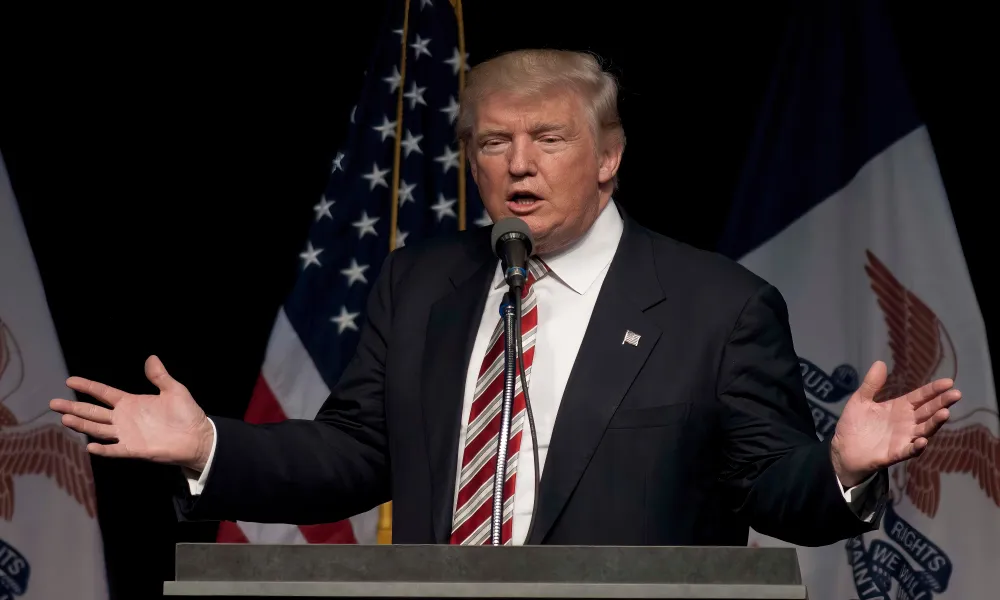

A planned trip to Moscow by US envoys Steve Witkoff and Jared Kushner has been postponed as the Trump administration's efforts to secure a partial ceasefire between Russia and Ukraine encounter significant obstacles.
According to Axios, the visit remains on hold at least until it becomes clear whether Ukraine and European partners are willing to agree on a joint proposal that could be presented to Russian President Vladimir Putin.
The delay comes as President Donald Trump intensifies efforts to halt attacks on energy infrastructure, particularly strikes targeting Russian oil refineries.
Proposed energy ceasefire
On Sunday, Trump announced that Russia and Ukraine had agreed to what he described as an "energy ceasefire", involving a mutual halt to attacks on oil refineries.
However, the situation described by both sides appears markedly different.
Moscow has not confirmed acceptance of any such agreement, while Kyiv argues that a ceasefire limited to oil refineries does not address Ukraine's most pressing concerns.
According to Axios, citing a White House official, the US proposal initially envisages a suspension of attacks on oil facilities. A second phase of negotiations could then address the protection of power plants and energy networks.
For now, however, no agreement has been confirmed.
Ukrainian media reported that Russian forces launched fresh attacks on energy facilities only hours after Trump's announcement.
Why Kyiv is sceptical
Ukrainian officials reportedly believe the proposal disproportionately benefits Russia.
One Ukrainian official told Axios that Ukraine has only one oil refinery, which has already suffered repeated attacks and is not fully operational.
Russia, by contrast, possesses an extensive refinery network that has become a frequent target of Ukrainian strikes.
Kyiv argues that its economy and population are far more vulnerable to Russian attacks on electricity infrastructure and therefore wants any agreement to include power stations and other critical energy facilities.
For that reason, Ukraine is pushing for a broader arrangement covering both oil and electricity infrastructure.
'Trump is really angry'
Axios reported that Trump has become increasingly frustrated with Ukrainian President Volodymyr Zelensky.
According to White House officials cited by the outlet, Trump believes Ukrainian strikes on Russian refineries contribute to higher fuel prices in the United States and ultimately affect American consumers.
The same sources reportedly argued that the attacks are causing more damage to Zelensky's relationship with Washington than to Russia itself.
"Trump is really angry. He thinks Zelensky takes the US for granted," a White House official told Axios.
Questions over US support
The report also raised questions about future US military support for Ukraine.
According to a Ukrainian official cited by Axios, Witkoff and Kushner warned a Ukrainian delegation during a meeting in Miami on Friday that Trump could suspend intelligence sharing if refinery attacks continued despite US objections.
A US official denied that any such threat was made.
Instead, the official said the two envoys reiterated Washington's commitment to supporting Ukraine with intelligence and ammunition while making clear that Kyiv should avoid actions that increase costs for American consumers.
Weapons sales under scrutiny
At the same time, the Financial Times reported on Sunday that the US administration had informed European governments it could halt weapons sales to Ukraine through NATO if Ukrainian attacks on Russian oil facilities continue.
The developments highlight the difficulties facing the US initiative, with Washington pursuing a limited agreement on energy infrastructure, Moscow yet to endorse the proposal and Kyiv seeking stronger guarantees for the protection of its electricity network.