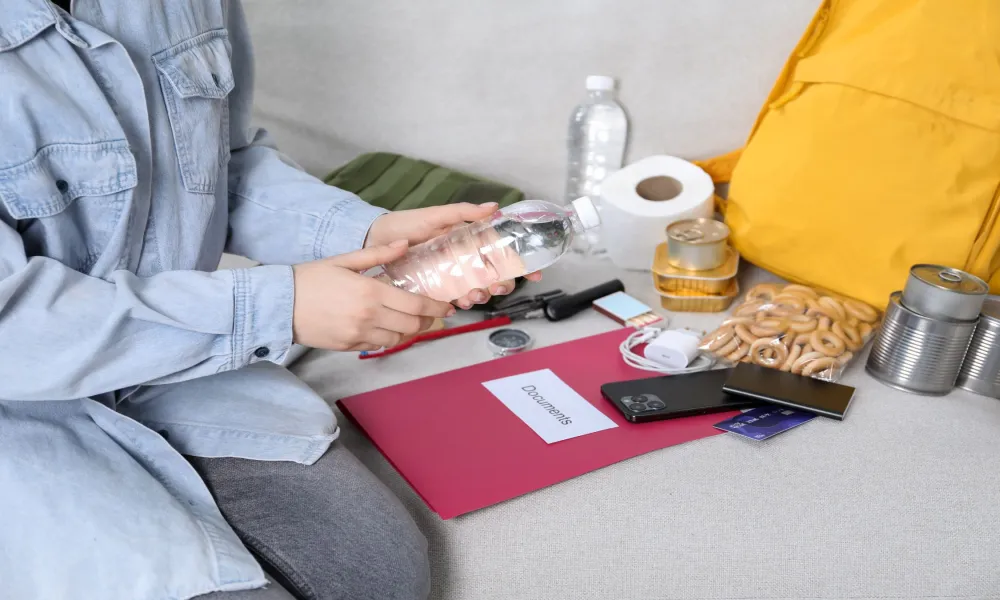

The European Commission has unveiled new non-binding guidelines aimed at strengthening public preparedness for emergencies, with a particular focus on the first 72 hours of a crisis.
The recommendations were presented by Hadja Lahbib, European Commissioner for Equality, Preparedness and Crisis Management, at the European Civil Protection Forum.
The guidelines are designed to help EU member states equip citizens with the knowledge and tools needed to protect themselves during emergencies.
Focus on four key areas
The recommendations cover four main areas:
- 72-hour self-sufficiency.
- Preparedness education.
- Inclusive preparedness for people with disabilities.
- Risk and threat awareness.
The Commission proposes a preparedness framework enabling citizens to meet their basic needs during the first three days of an emergency while public assistance is mobilised. Measures include maintaining essential supplies and emergency kits at home.
Preparedness in schools
The guidelines also call for preparedness training to be incorporated into pre-primary and primary education curricula.
Teachers would receive training to deliver age-appropriate activities aimed at improving awareness and resilience without creating fear or anxiety among children.
Inclusive approach
The Commission said preparedness planning should take account of the needs of people with disabilities and encourage their participation in emergency planning processes.
The recommendations also seek to improve how authorities communicate risks, promoting timely, accessible and reliable information before, during and after crises.
Annual EU Preparedness Day
The Commission has proposed the creation of an annual EU Preparedness Day, to be observed on 23 October, beginning in 2027.
The date marks the anniversary of the establishment of the EU Civil Protection Mechanism on 23 October 2001.
The initiative would also recognise the work of national, regional and local authorities, civil protection organisations and local communities.
Citizens' panel recommendations
The proposal reflects recommendations made by the European Citizens' Panel on Preparedness, which brought together 150 citizens from across the EU between March and May 2026.
Among its suggestions was the creation of an annual preparedness week to promote awareness and readiness across the bloc.