
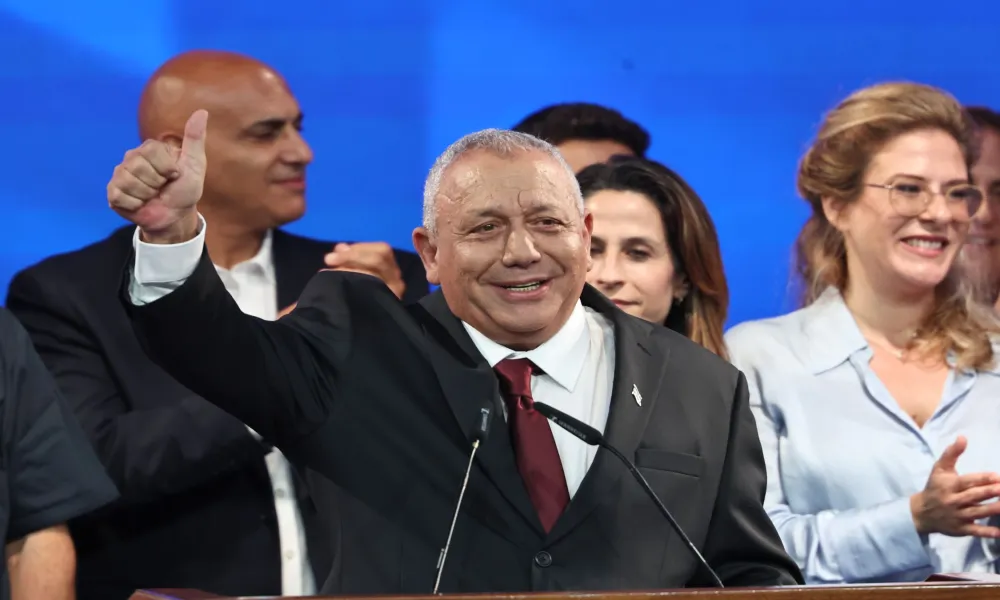



Israel is entering a period of intensive political consultations after President Isaac Herzog tasked Gadi Eisenkot, leader of the opposition coalition, with forming a government. For now, however, there is no clear way out of the post-election deadlock.
Eisenkot secured the recommendations of 67 lawmakers, compared with 46 for Benjamin Netanyahu. The political coalition seeking to remove Netanyahu from power, however, holds only 48 seats and will need to broaden its parliamentary support.
One possibility is the formation of a minority government with external support from the Arab parties. Mansour Abbas’s Ra’am appears willing to vote in favour of an Eisenkot government, even without an agreement to join it. Avigdor Lieberman, however, categorically rejects a government dependent on Arab votes and has said he will vote against it.
New parliament
A second possibility involves cooperation with one of the two ultra-Orthodox parties, which could secure a comfortable majority. Lieberman now appears willing to negotiate with them, even on the particularly contentious issue of exempting them from military service, reversing earlier positions. This stance has prompted objections from other potential opposition partners in government.
Meanwhile, Netanyahu has revived his proposal for a national unity government. Eisenkot is cautious about the proposal and insists that he should lead the next government. Neither Eisenkot nor the opposition parties are discussing the possibility of a government led by Netanyahu.
The coming days are also expected to be crucial for control of the Knesset. The new parliament is to be sworn in on Tuesday, while consultations are under way on replacing its Speaker.
Eisenkot initially has 28 days to form a government, with the option of an additional 14-day extension. If his efforts fail, the mandate may be given to another candidate, while the possibility of new elections also remains open.
Source: CNA