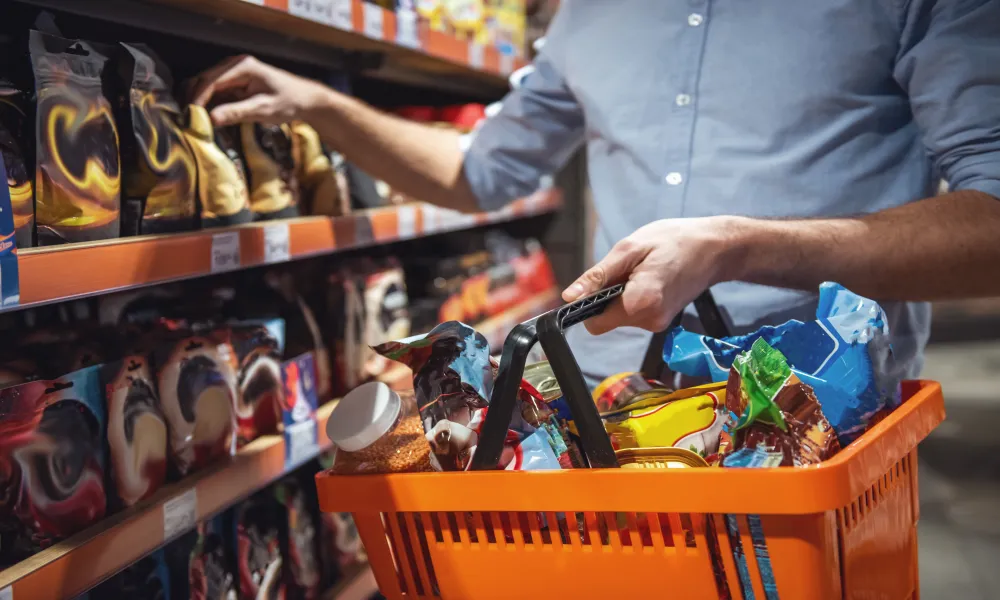

At the end of 2025, in this very column, we asked: “Where will you buy politics in 2026?” We compared political parties to retail businesses and, more specifically, to supermarkets, corner shops, cooperatives, butcher’s shops, organic stores and delicatessens.
We pushed the metaphor a bit, but voting habits are probably not that different from consumer habits – no matter how much opinion polls suggested upheaval. At the end of the day, voters calculated that, in elections, they are buying political influence. Some shop for small, even personal interests; others for big, national or ideological ones.
Back then, we said that DISY and AKEL resemble the supermarket chains of politics. Polls may have recorded dissatisfaction and voters may have threatened to shop elsewhere, but in the end variety, easy access – with branches across Cyprus – and habit prevailed.
Why run to smaller shops with limited stock and doubts over whether they would even make it into parliament and thus be able to influence issues that matter to the voter? (A wasted vote.) Ultimately, voters do not want to redeem their vote only to see it yield no return, forcing them to wait another five years – even if they complain about the quality and pricing of their chosen supermarket.
Revolutions and protest votes are easier to express in European elections, local government elections, or internally within parties. The first‑place finishes of Christos Christofidis and Efrem Christou in AKEL, and of Giorgos Pamboridis in DISY, were messages in themselves to party leaderships.
The Centre’s collapse
The big loser of the elections was the “Centre cooperative”, as I had categorised DIKO, DIPA and EDEK. From a combined 24 per cent, they fell to 16 per cent – and only 10 per cent is now represented in parliament – despite having access to the biggest political mall of all: the Presidential Palace.
What game can they now play, having fallen from 17 MPs to DIKO’s eight? Under these conditions, the prize of the speakership looks remote, unless ALMA, ELAM and Direct Democracy join the cooperative.
This column had warned that some were heading for “closure” and required a complete overhaul – in both appearance and mode of operation.
The anti‑system shops
Another major category was the anti‑system stores. We spotted the MAGA‑style cuts imported from the American Wild West and ELAM’s rebranding from the *“Golden Dawn” butcher’s shop into a boutique.
The party once again doubled its vote share and seats, yet still fell short of polls that had it rising to 14–15 per cent. There is no doubt, however, that it is well positioned – and if circumstances favour it (a migration crisis, the Cyprus problem or an economic downturn), or if a proposal places it inside the Presidential Mall, it could double again.
ALMA and the shelf problem
For ALMA, we said at the time that flashy openings (the conviction and dismissal of Odysseas Michaelides) were not enough – the shelves also needed filling.
Its entry into parliament came via the transfer of Irene Charalambidou, buying it time until 2031 to stock up on policies, promotion mechanisms and political figures. The odds are not in its favour, however, unless it finds a corner shop inside the Presidential Mall in the 2028 elections – or even now, via some speakership deal.
Otherwise, in 2031 it risks the fate of Solidarity, EUROKO and the Citizens’ Alliance – parties that dissolved, or nearly did, before elections even arrived.
The digital traders
The same could be said of Direct Democracy, which we likened to digital traders. Fidias Panayiotou’s party did not become Temu or Amazon in these elections – but no one knows how social media will evolve over the next five years.
What is certain is that they are more technologically prepared than anyone else. In a world of algorithms and AI, they may yet establish themselves in politics.
The organic shops
We saved the organic stores for last. Volt and the Greens certainly have an audience, and international developments – from the rise of the Greens in the UK to radical mayors like Zohran Mamdani in New York – could give them a boost.
For now, however, they appeal to a 5–6 per cent electorate. The intervention of Giorgos Perdikis, who returned some years ago as a “liquidator” and caused a rupture, left both outside parliament.
If we are realistic, their return looks unlikely. In the next elections, we may see their most prominent figures inside the big political stores.
Good luck to those elected. And for anyone inclined to revisit what we wrote back in December 2025, here is the link in Greek:
https://www.politis.com.cy/politis-news/oikonomia/974423/esy-apo-pou-tha-aghoraseis-politiki-to-2026