In Cyprus, we have become accustomed to discussing energy primarily through the lens of cost. And rightly so. Electricity produced in Cyprus remains among the most expensive in Europe, putting pressure on households, businesses and the overall competitiveness of the economy.
However, the challenge is not only how to make electricity cheaper. Unfortunately, the real challenge is ensuring adequate electricity supply in the years ahead.
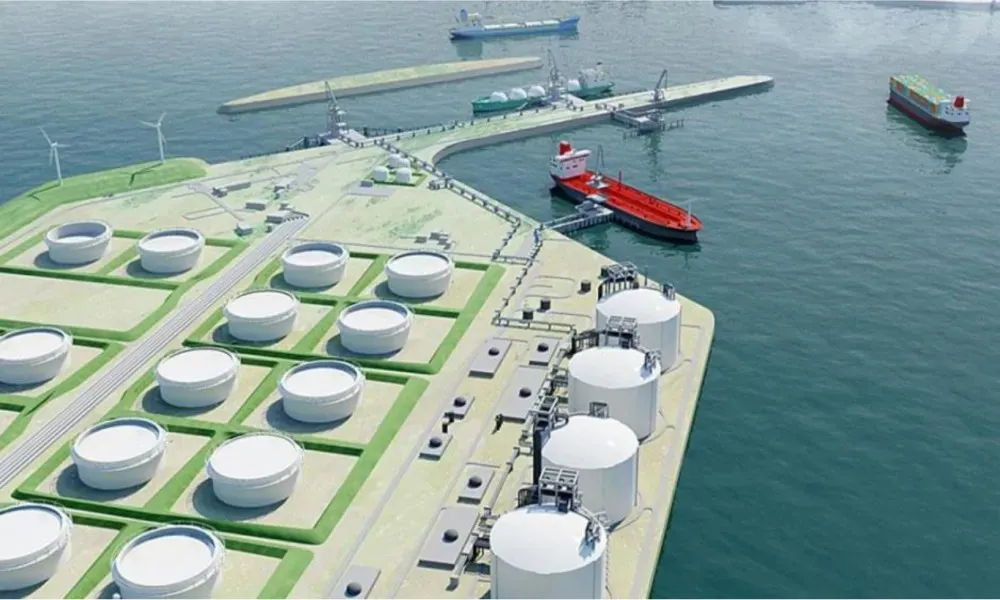
Today’s front-page report in Politis highlights the harsh reality of the risk of an energy deficit from 2030 onwards, as old EAC units are withdrawn and demand continues to rise. Without the liquefied natural gas reception terminal at Vasilikos, the issue of adequacy cannot be addressed.
The discussion, therefore, cannot be limited to the transition to green energy or lower prices. The key challenge is to ensure energy sufficiency.
The Vasilikos natural gas terminal is a critical national infrastructure project, and the country’s energy strategy depends on it. If completed on time, it can provide cheaper fuel, reduce production costs and serve as a bridge toward a more mature green transition.
If it is delayed again beyond 2030, the consequences will be multiple: higher prices, increased risk of power outages and deeper dependence on expensive oil.
Energy supply today is not merely a technical issue. It is a matter of economic strategy, social cohesion and national security. No serious investment policy can be based on a system that operates at its limits every summer. No digital economy, no data centre, no activity can grow without a predictable and stable energy base.
Energy storage and the expansion of renewable energy sources are necessary steps, but they are not sufficient on their own. Battery installations can act as a buffer, not a complete solution. Cyprus requires a comprehensive energy mix, with natural gas as a transitional fuel, accelerated penetration of renewables, investments in storage and serious planning for interconnections.
In effect, the Republic’s energy policy has failed under the weight of delays and miscalculations.
If Cyprus wants cheaper energy, but above all security of supply, it must place energy at the top of the national agenda. Not tomorrow. Now.
The government must announce a realistic plan for the introduction of natural gas. In any public procurement process there is always a risk of legal challenges, and therefore the process for completing Vasilikos must be watertight. There is no room for another failure.