
By the Cyprus Land and Property Developers Association
The absence of a long-term and coherent energy policy has led our country to record some of the highest energy prices in Europe. This has a negative impact on households, businesses and investment. The large-scale development sector is directly affected, and given that this is the sector that plays a decisive role in the country's economic growth, in attracting investment and in job creation, one can appreciate the seriousness of the issue. Energy costs have now become a decisive factor affecting the viability and attractiveness of development projects, which are inescapably dependent on the availability of affordable energy.
The effects of high energy costs are already keenly felt from the construction phase of a project onward. This is because rising energy costs also raise the final cost of a development, which in several cases exceeds the original budget. This affects not only investors but also the end users of properties. The same applies during the operation of developments, since high energy costs increase their operating expenses, affecting both their competitiveness and their attractiveness in the market. The issue takes on particular significance at the present moment, as investors increasingly assess a country's overall operating costs before deciding to establish or expand their activities there. Especially for companies that place emphasis on sustainability and ESG criteria, access to affordable and reliable energy has now become a key competitiveness criterion. In addition, high energy costs also negatively affect efforts to address the housing challenge, which is a major issue in our time. Energy, therefore, is not merely an economic and environmental issue, but also has a social dimension, directly affecting citizens' quality of life and cost of living.
The current, pivotal situation in which we find ourselves as a state points to the urgent need to draw up a comprehensive, long-term energy policy. However, what is required is not only the formulation of the policy itself, but also coherent strategic planning, with a clear timetable, specific priorities and effective implementation mechanisms. Only this can ensure the transition from planning to practice and the achievement of measurable results.
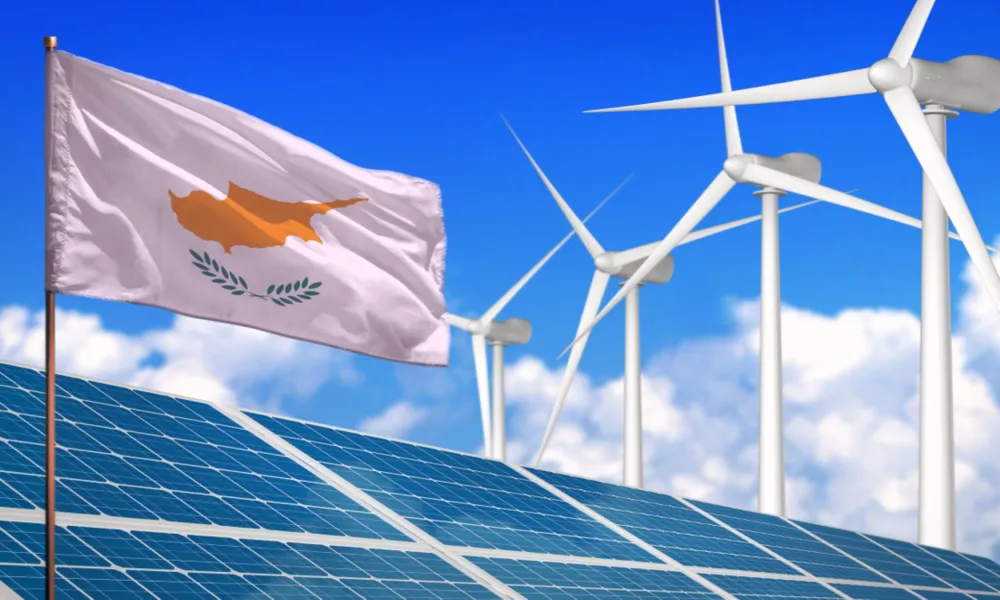
Within this framework, Cyprus's comparative advantages need to be harnessed, since the island's intense year-round sunshine creates excellent conditions for greater penetration of renewable energy sources. For this to happen, however, energy storage projects need to proceed swiftly, alongside upgrades to networks and infrastructure that will allow for better use of the energy produced. This means we would stop wastefully discarding green energy and remaining constantly dependent on expensive, polluting fuels, at significant economic and environmental cost. Storage is clearly a critical tool for system stability, reducing losses and increasing energy security.
In addition, accelerating projects of strategic importance and strengthening competition in the electricity market can substantially help reduce costs for households and businesses. Equally important is the need for a stable and predictable regulatory framework, one that will drive investment incorporating energy technologies and sustainable practices. Our country's energy policy is, after all, directly linked to its development strategy, since large-scale developments can play a catalytic role in the country's energy transition. But for this to happen, it is imperative that a genuinely sustainable energy policy be formulated. Only in this way will the competitiveness of the Cypriot economy be safeguarded, further investment attracted, and the successful implementation of the large developments that will shape our country's future be secured.