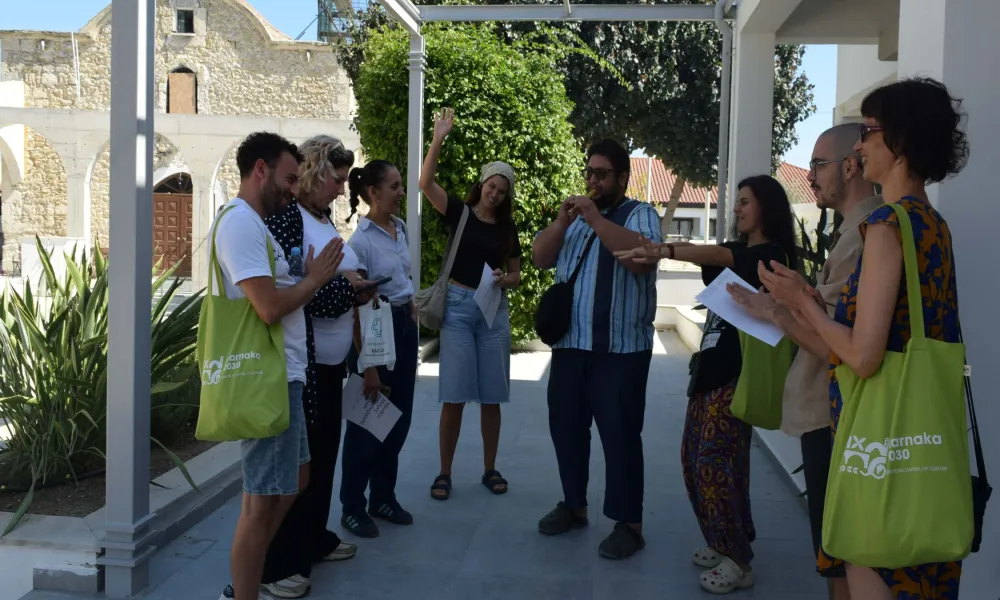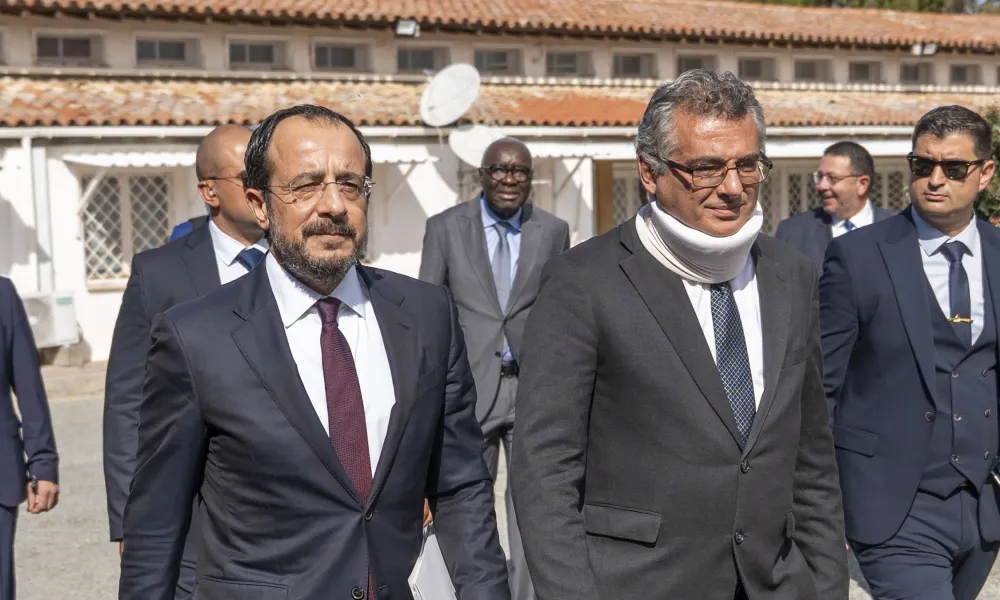

The extended visit to Cyprus by the UN Secretary-General's personal envoy on the Cyprus issue, María Ángela Holguín, comes with a familiar expectation: that conditions can be created for meaningful progress and a return to genuine negotiations on resolving the Cyprus problem.
The question, however, remains unchanged. Is there sufficient political will to take the next step, or will all sides once again settle for managing the deadlock?
Responsibility rests first and foremost with the two leaders, Nikos Christodoulides and Tufan Erhürman. They must move beyond their political certainties, take initiatives and demonstrate in practice that coexistence between Greek Cypriots and Turkish Cypriots is not merely an abstract aspiration, but an achievable objective.
Statements of goodwill, meetings and photo opportunities are not enough. What is needed are concrete actions that build trust and create a positive political dynamic.
Past experience offers little justification for excessive optimism. Expectations have repeatedly been disappointed, and the gap between public declarations and political action remains wide.
Turkey's position is undoubtedly critical to the prospects of a comprehensive settlement. However, it cannot serve indefinitely as an excuse for the absence of initiatives at the level of the two communities themselves.
As this column has repeatedly argued, a particular responsibility rests with President Nikos Christodoulides. Despite the circumstances created by the invasion and the continuing occupation, the Republic of Cyprus retains its bicommunal constitutional structure.
The president does not simply represent the Greek Cypriot community. As head of state, he has a duty to serve the Republic as a whole and to promote the conditions necessary for political equality and the participation of both communities in their shared future.
The so-called doctrine of necessity allowed the Republic to continue functioning under exceptionally difficult circumstances. It does not, however, negate its bicommunal character.
Nor can the Turkish invasion and the continued occupation of approximately 37 per cent of the territory of the Republic of Cyprus justify inertia or the abandonment of efforts to bring the two communities closer together.
The success of Holguín's mission will ultimately be judged by whether it leaves behind tangible results.
In 2026, Cyprus deserves more than a repetition of the same positions and a recycling of the same disappointment.
It deserves actions that open pathways towards a settlement, strengthen trust and create prospects for peace and prosperity.
And responsibility for those actions lies, above all, with those who have the power to take them.