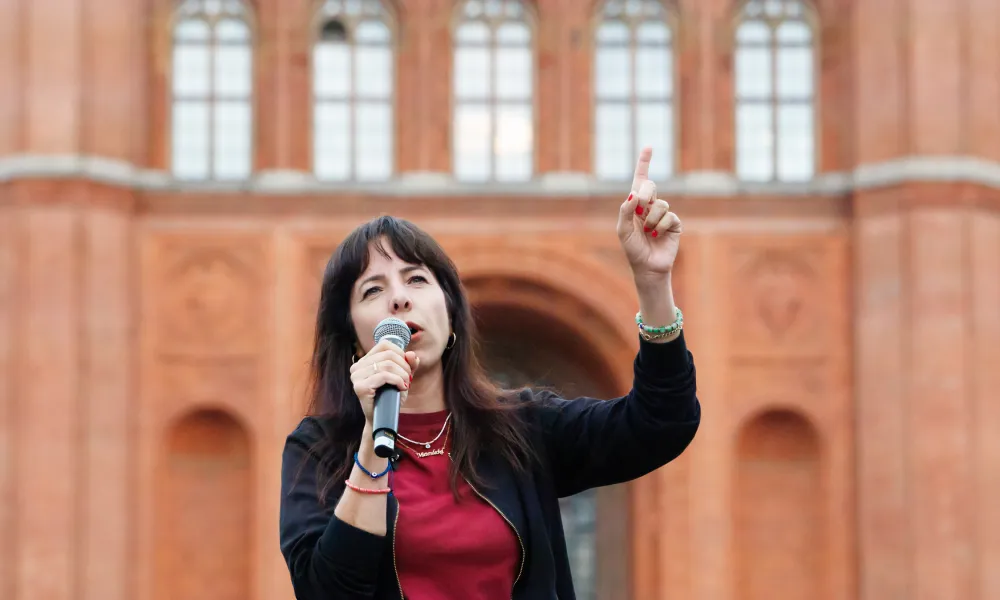

Cyprus, as the host country of one of the longest-running peacekeeping operations in the world, is fully cognizant of the necessity of sustaining a UN force that prevents a recurrence of fighting, especially in the face of ever-evolving challenges, the country's Permanent Representative to the United Nations, Ambassador Maria Michail said on Tuesday.
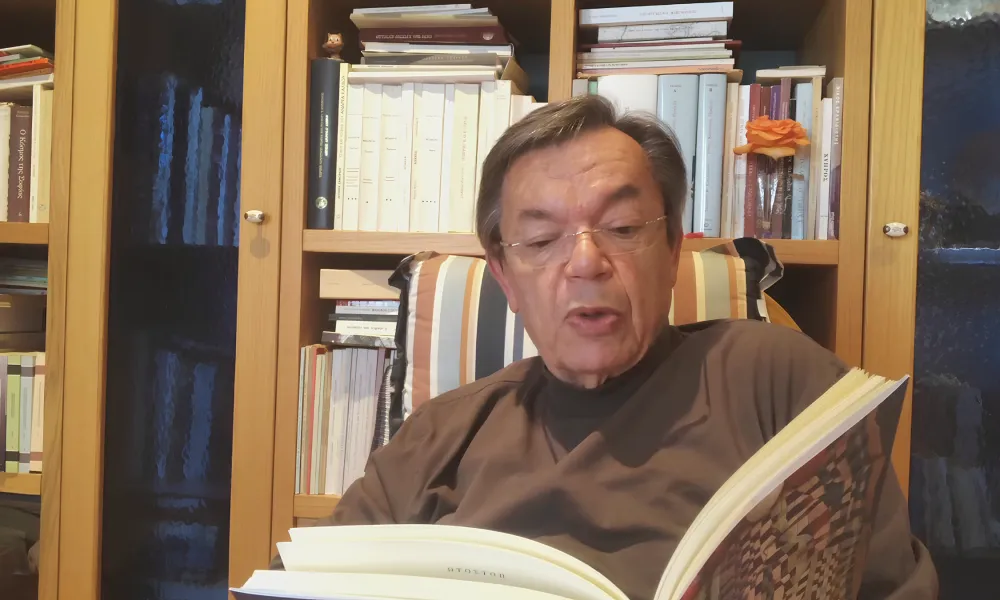
On his part, Deputy Permanent Representative of Greece, Ioannis Stamatekos noted that UNFICYP "continues to play an irreplaceable role in maintaining stability on the island, in de-escalating tensions within the Buffer Zone, and in supporting the efforts of the Secretary-General and his Personal Envoy to resume negotiations in line with UN parameters.”
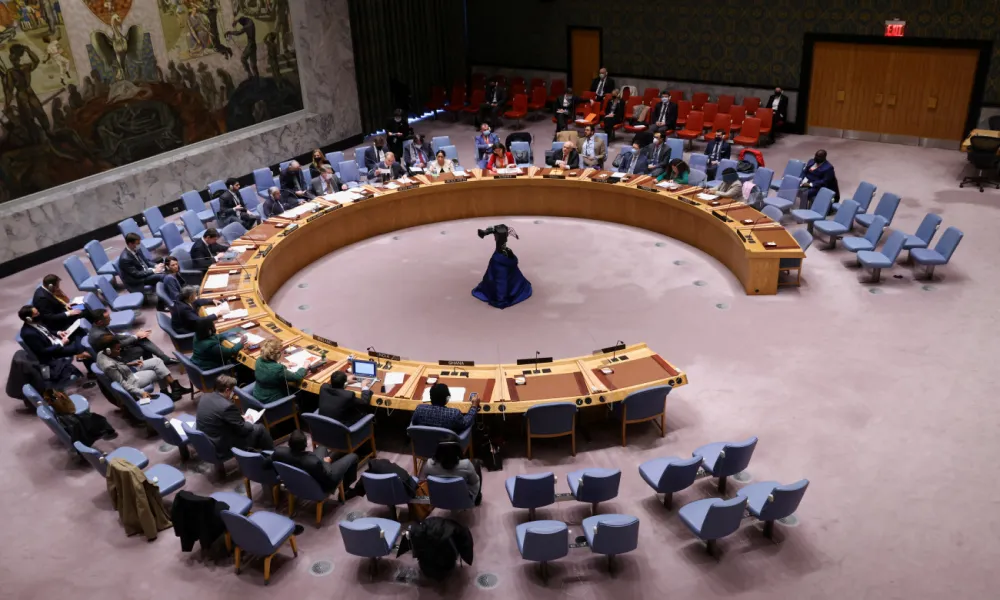
They were both speaking during the Security Council open debate on the future of peacekeeping operations.
Michail underlined that the Security Council “must remain at the centre of the peace and security architecture” and that peace operations must be focused on “the principles of the UN Charter,” with an emphasis on international law, human rights, and the involvement of women and youth in all phases of peace processes.
She further pointed out that the fundamental principles of peacekeeping must not be lost from focus: “the consent of the host country, the impartiality of the peacekeeping mission, and the non-use of force except in self-defence and in defence of the mandate.”
The permanent representative further stressed that “Cyprus, as the host country of one of the longest-running peacekeeping operations in the world, is fully cognizant of the necessity of sustaining a UN force that prevents a recurrence of fighting, especially in the face of ever-evolving challenges.”
“The mandate of UNFICYP, as agreed to by the Republic of Cyprus, aims to uphold the Charter, implement the relevant Security Council resolutions, and act as a bulwark against the consolidation of the effects of aggression, by contributing to the restoration of law and order ensuring a return to normal conditions,” she underlined.
Concluding, she stressed that “peace is a collective effort” and that UN operations are “an essential tool for peace and stability” requiring a common vision and strong political will.
Greece praised peacekeeping operations as one of the most visible and effective tools of the UN Security Council for the maintenance of international peace and security.
In his remarks during the debate, Deputy Permanent Representative of Greece, Ioannis Stamatekos, said that peacekeeping operations should adapt to existing and new challenges, but must also continue to maintain and monitor ceasefires.
He reiterated Greece’s commitment to supporting peacekeeping operations with highly skilled personnel, as well as with balanced gender representation.
He further added that innovation is essential to make peace operations more agile and effective, while cautioning against disinformation.
Stamatekos also referred to the UN peacekeeping mission in Cyprus, stressing that “Greece warmly welcomed the unanimous renewal of UNFICYP’s mandate by the Council earlier this year.”
He added that “the mission continues to play an irreplaceable role in maintaining stability on the island, in de-escalating tensions within the Buffer Zone, and in supporting the efforts of the Secretary-General and his Personal Envoy to resume negotiations in line with UN parameters.”
“The Mission’s transition must be safe and orderly, and in close coordination with the host country,” Mr. Stamatekos concluded.