
Uncertainty over the completion of the Vasilikos LNG terminal has prompted contingency planning for two major power generation units originally designed to run on natural gas. The two units — the 260 MW combined cycle plant of Power Energy Cyprus (PEC), backed by the Cyfield Group, and the 160 MW “Unit 6” of the Electricity Authority of Cyprus (EAC) — are now exploring temporary diesel-based solutions to address energy adequacy risks that plagued the island this summer.
Diesel as a stopgap fuel
PEC is currently in discussions with turbine manufacturer Siemens to adapt its generators for dual-fuel use, enabling diesel operation for up to two years. Simultaneously, the EAC is preparing a tender for a technical study to examine whether Unit 6 could undergo a similar conversion.
This move, while not ideal from an environmental or economic perspective, would provide a bridge solution for the national grid, ensuring reliability until the Vasilikos terminal becomes operational.
Targeting March 2026
Speaking to Politis, George Chryssochos, CEO of PEC and Chair of the Electricity Market Association (EMA), confirmed that March 2026 is the target for bringing the 260 MW plant online — even if initially powered by diesel.
“Very soon, and certainly within 2026, Cyprus will have two additional power units operational — one private and one public — both boosting the island’s energy mix and resolving the adequacy issue, even without gas,” Chryssochos said at the recent EMA General Assembly.
He noted that PEC’s unit will operate competitively, and may even produce cheaper electricity than EAC’s existing fleet, contributing to downward pressure on prices. The PEC plant is expected to provide up to 30% of Cyprus’s conventional power generation capacity. The investment, which exceeded €200 million, was significantly affected by delays in LNG infrastructure delivery.
Breaking the monopoly
The PEC plant is the first private conventional power station in Cyprus, ending the EAC’s effective monopoly. With three gas turbines and one steam turbine, the high-efficiency combined cycle setup is designed to reduce fuel costs and emissions — once gas becomes available.
EAC eyes Dekeleia overhaul
Meanwhile, the EAC’s primary focus is on modernising its Dekeleia power station. EAC Chair George Petrou told Politis that upgrading Dekeleia is essential, regardless of short-term diesel solutions elsewhere. He cited technical challenges such as system stability and fault current limitations.
“Vasilikos can only export 850 MW to the grid — not enough for future demand,” Petrou said.
To that end, the EAC is evaluating bids from TERNA and AVAX to install two new flexible 40 MW generators (80 MW total), which will replace six outdated and highly polluting steam boilers. These fast-start units will help manage peak demand and intermittency from renewables.
However, both bids exceed the budget originally set by the EAC, and negotiations are ongoing. Petrou expects the contract to be awarded by early November. Dekeleia has secured a European extension of operations until 2029, conditional on emission compliance and modernisation efforts in line with Cyprus’s energy transition plans.
Update on the LNG terminal at Vasilikos
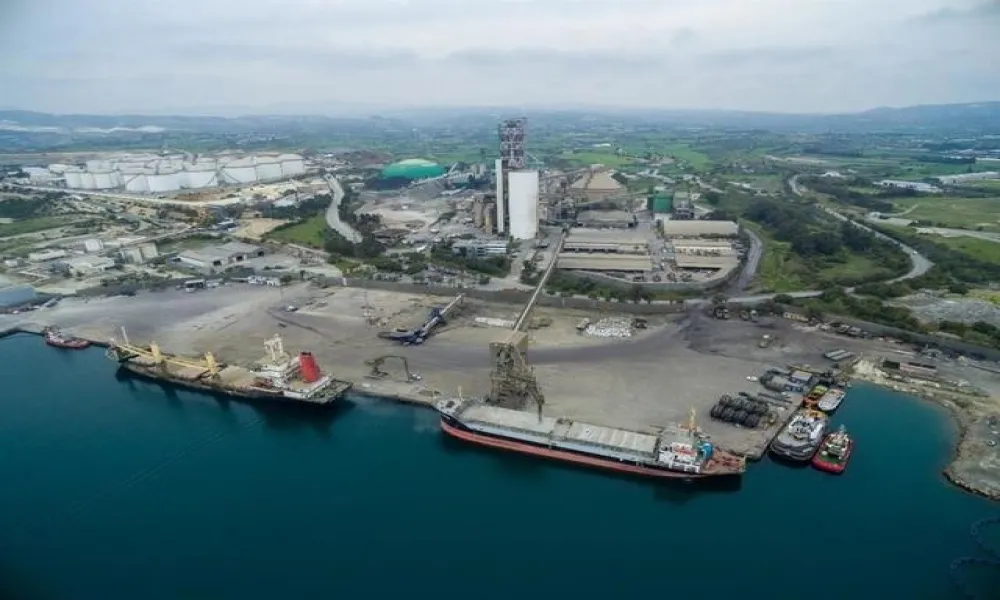
The fate of the Vasilikos LNG terminal now hinges on a series of technical assessments from Technip, acting as consultant to ETYFA (Natural Gas Infrastructure Company). The reviews will examine the current state of infrastructure and recommend how best to complete the project.
ETYFA Vice-Chair George Petrou confirmed that initial findings are expected within two months. If no critical issues arise, the authority will proceed with tenders covering all remaining onshore works, including pipeline installation on the jetty.
Notably, the terminal’s design remains incomplete, adding further complexity to an already delayed and politically sensitive project.