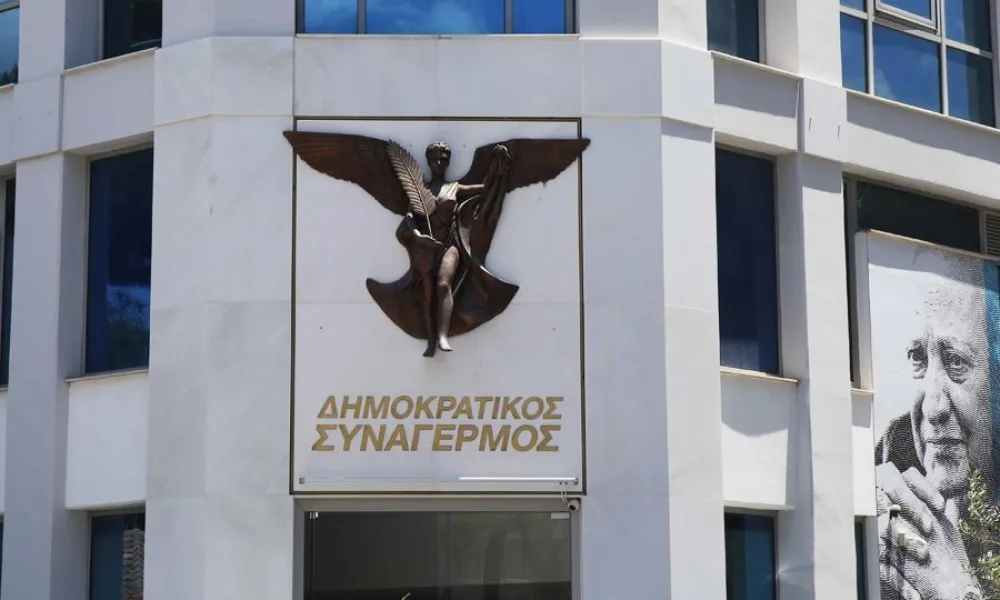
The Independent Authority against Corruption says it has found no evidence that donations to the Democratic Rally (DISY) were linked to the granting of Cypriot citizenship to foreign investors named in a high-profile complaint by AKEL MP Christos Christofides.
According to the Authority, the complaint concerned 13 naturalised foreign nationals and the Russian bank Promsvyazbank. Investigators examined whether contributions to DISY were connected to the acquisition of Cypriot nationality by these individuals.
In its report, published on Thursday, the Authority concludes that “there is no testimony indicating that the naturalisation of the persons under investigation took place due to a promise or offer of a present or future benefit, and by extension the granting of an undue advantage by the naturalised persons to public officials and/or office holders, through donations to DISY, that would create suspicion of corruption offences.”
No link established between donations and naturalisations
The report goes on to state that “no connection can be established between the naturalisation of the persons investigated and the donations to DISY by the naturalised individuals and/or the companies in which they held, or had held, an interest or position.”
The Authority also addresses the housing of the Russian bank Promsvyazbank in a building purchased from the seller company Y.A.M. Imperio Enterprises Ltd. It stresses that there is no evidence that this transaction was carried out due to a promise or offer of a present or future benefit, and therefore no indication of an undue advantage being granted by the purchasing company or by subsequently naturalised persons linked to the bank to public officials or office holders through the sale, in a way that would raise suspicion of corruption offences.
Scope and limits of the investigation
At the same time, the Authority makes clear that its mandate in this specific probe did not extend to examining the conditions under which the above individuals obtained Cypriot passports, nor any potential responsibilities of officials involved in the approval of those naturalisations.
That aspect, it underlines, will be investigated under a separate inquiry already being conducted by the Authority, which is currently at a preliminary stage.
The Authority acknowledges in its report that there were delays and shortcomings in the methodology used during the initial stages of the investigation. However, it notes that these were addressed following the appointment of a new team of inspection officers.
The investigation ultimately included eight sessions, the testimony of 16 witnesses and the collection and examination of 73 pieces of evidence.