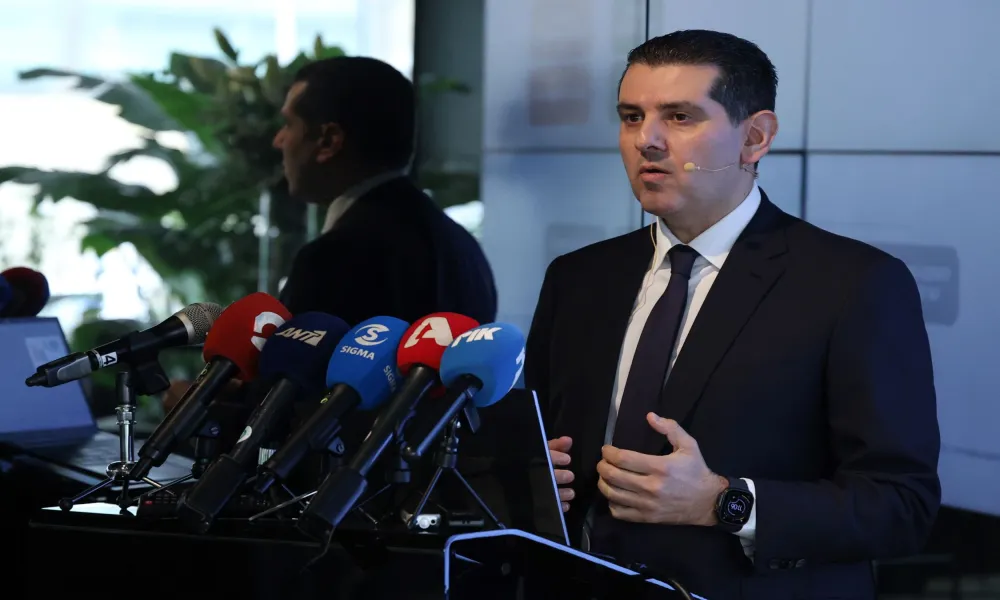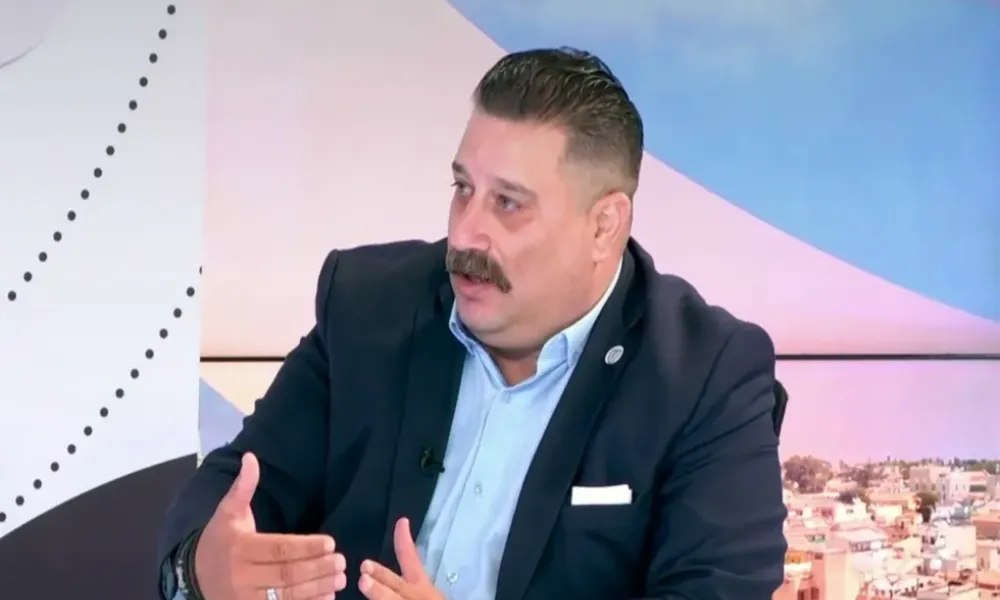

The EuroCOP has warned of a serious breakdown in social dialogue within the Cyprus Police, addressing its concerns in a formal letter to senior European Union officials. The letter highlights escalating tensions between police management and union representatives at a time when Cyprus holds the Presidency of the Council of the European Union.
Letter addressed to EU leadership
The letter, dated 2 February 2026, is addressed to Ursula von der Leyen, President of the European Commission, Antonio Costa, and Magnus Brunner, Commissioner for Home Affairs and Migration.
It was also copied to the President of the Republic of Cyprus and the General Secretary of the European Trade Union Confederation.
The letter is signed by Nigel Dennis, Head of Office and General Secretary of the European Confederation of Police.
Engagement with Cyprus Police union
According to the letter, EuroCOP has been in contact with the ISOTITA, the trade union body of the Cyprus Police, amid what it describes as ongoing and escalating tensions in labour relations with the Chief of Police.
EuroCOP states that these discussions confirmed “a profound collapse of social dialogue”, characterised by a refusal to engage in meaningful negotiations, a lack of responses to formal correspondence, and allegations of threats directed at union members.
Compatibility with European labour standards
Dennis describes these practices as “entirely unacceptable and fundamentally incompatible with European standards of industrial relations”. He notes that the situation is “particularly concerning, given that Cyprus currently holds the Presidency of the Council of the European Union”.
He adds that, at a time when the Presidency is expected to set an example of the Union’s core values, the refusal of meaningful social dialogue within a critical public service undermines the credibility of the EU’s commitment to social rights and the rule of law.
References to EU legal framework
The letter recalls that the right of workers and their organisations to negotiate and engage in collective action is enshrined in Article 28 of the Charter of Fundamental Rights of the European Union. It further refers to the European Pillar of Social Rights, and in particular Principle 8, which commits member states to promoting social dialogue and collective bargaining.
Dennis also notes that these principles are reinforced by Directive (EU) 2022/2041 on adequate minimum wages, which under Article 4 places a clear obligation on member states to promote and support collective bargaining in practice. Similar guarantees, he adds, are reflected in Article 6 of the European Social Charter.
Questions over implementation in Cyprus
According to the letter, the current situation in Cyprus raises serious questions regarding the effective implementation of these commitments. The refusal of the Chief of Police to engage in dialogue with the recognised police union, combined with what is described as a lack of intervention by the Cypriot government, is characterised as a failure of leadership and governance.
EuroCOP warns that this situation risks eroding trust within the police service.
Public protest and institutional impact
The seriousness of the situation, the letter states, became evident on 21 January, when Cypriot police officers held a rare public protest outside the House of Representatives. Such demonstrations by police officers are described as extremely unusual in Europe and indicative of deep institutional dysfunction.
The letter notes that a prolonged breakdown in relations between police management and staff representatives not only infringes social rights but may also affect morale, operational effectiveness and, ultimately, public safety.
Security during the EU Presidency
Dennis also highlights that the police officers responsible for ensuring the safety and protection of European leaders, Commissioners and delegations during meetings linked to the Cyprus EU Presidency are themselves working under conditions of intimidation and an absence of genuine social dialogue.
EuroCOP states that it considers it important for EU leadership to be fully aware of this contradiction.
Call for immediate action
The letter concludes by stating that EuroCOP stands firmly alongside the Cyprus Police trade union and calls for immediate steps to encourage the Cypriot authorities to restore meaningful, good faith social dialogue in line with European standards.
Source: CNA