Interior Minister Constantinos Ioannou said on Friday he was satisfied with the second round of ‘test’ emergency text messages sent to citizens earlier in the day, adding that it served the goal of informing the public of an emergency in a timely manner.
The government had tried in collaboration with telecom providers to send simple SMS messages to mobile phone holders on Wednesday. The purpose was to see if it was possible to do so, as a stopgap measure until the actual Public Warning System and ‘next generation’ 112 emergency service that Cyprus is meant to have in place under EU obligations, is finally implemented. The latter would allow the state to target specific geographic areas, send messages in multiple languages and geolocate users who call the emergency number.
Wednesday’s test exercise was simply meant to send a ‘test’ warning message at 7pm to all mobile phone users. Ultimately, it provoked criticism and mockery on social media as many recipients received the ‘test’ call to take safety measures two hours after they were supposed to get it.
Some had yet to receive it even during President Nikos Christodoulides’ televised public address claiming the exercise had gone well. The authorities, in response, argued that it was the first such effort and problems were expected. The whole point of the exercise was to iron out the wrinkles, they noted.
Additional tool, Next-Gen 112 still pending
Speaking on Friday, Ioannou – who runs the ministry responsible for implementing the Public Warning System and the EU emergency service 112 – said the measure can function as an additional information tool, complementary to the existing channels available to the authorities.
He said the second test exercise was completed in all districts, noting some difficulties with the sending time of one telecoms provider – with a small share of subscribers – which was experiencing technical problems.
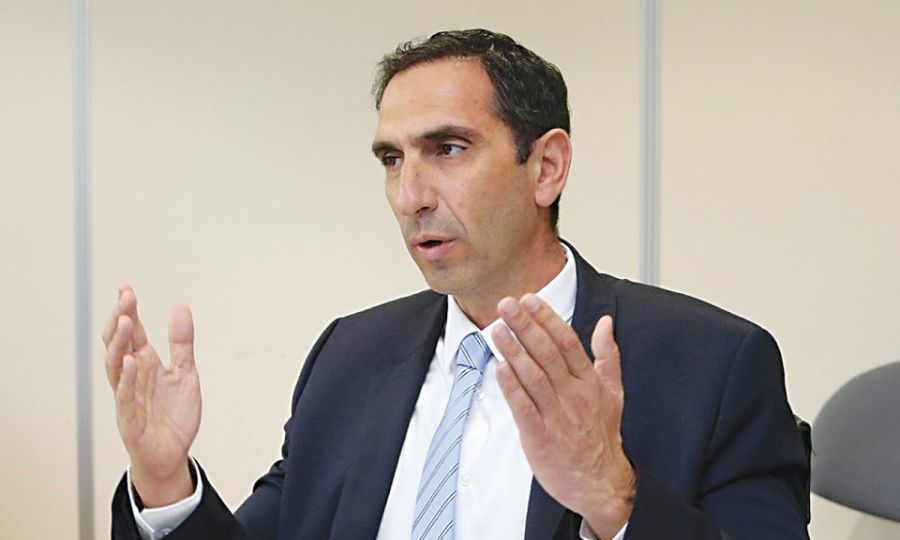
He explained that the messages were sent per district and at different times, in order to demonstrate the possibility of applying the measure in real conditions, depending on the area in which there may be a threat.
The purpose, he said, was to determine how much time is required to inform the population of the affected district, so that citizens can take the necessary self-protection measures in a timely manner.
Back to basics - Sirens main warning tool
Ioannou recalled that the main way of informing people in emergency situations remains the sound of sirens, combined with providing information by local authorities through mobile applications, media announcements and other available channels.
He added that the measure covers the vast majority of the population of each district, but without reaching 100%, as it does not support a user location tracking system. This, he pointed out, will be possible with the implementation of the Early Warning System. He reiterated that sending SMS will operate as a supplement to other means, contributing to the largest possible dissemination of public information.
‘Shelters not in good condition’
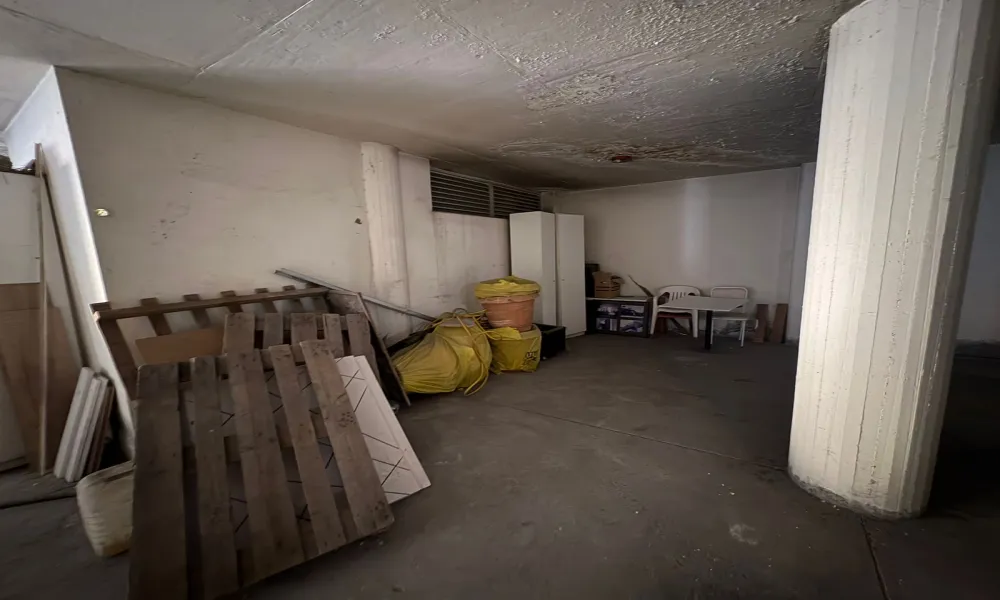
On the conditin of shelters, the minister said, despite the periodic inspections that have been carried out, some shelters are not in good condition. This is a result of the policy of leaving responsibility for their maintenance with the private owners.
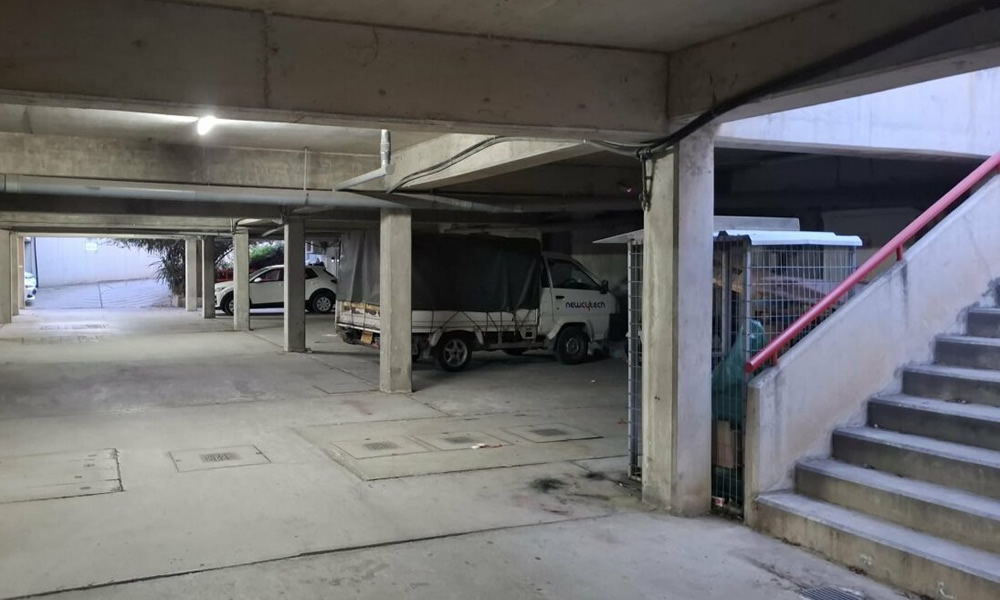
A proposal that will be submitted to the Council of Ministers next week aims to increase the number of public shelters. Ioannou said the proposal provides that newly built apartment buildings with a basement will be made available to the Civil Defence, provided they have certain amenities, with the incentive of an additional building coefficient of 5%, at a maximum of 50 square meters.
To avoid current problems with the dire state of shelters, the minister said the focus in the last two years has been on identifying new shelters such as church basements and parking lots, rather than private areas.
Checks not made, despite assurances
Ioannou noted that in the last three days, teams have been carrying out checks at all shelters, which are due to be completed in the coming days. Despite receiving assurances that all shelters had been checked, this was not the case, he said.
The minister reminded citizens that in the event of receiving emergency information from the competent authorities, they are asked to remain calm and limit their movements, especially by vehicle, to avoid overcrowding and accidents.
If there is a basement in the building where they are, they are urged to move there or, alternatively, to remain in a safe place within the building, away from windows and glass, while if they are outdoors, they are recommended to head to the nearest indoor space until further instructions are given, he said.