
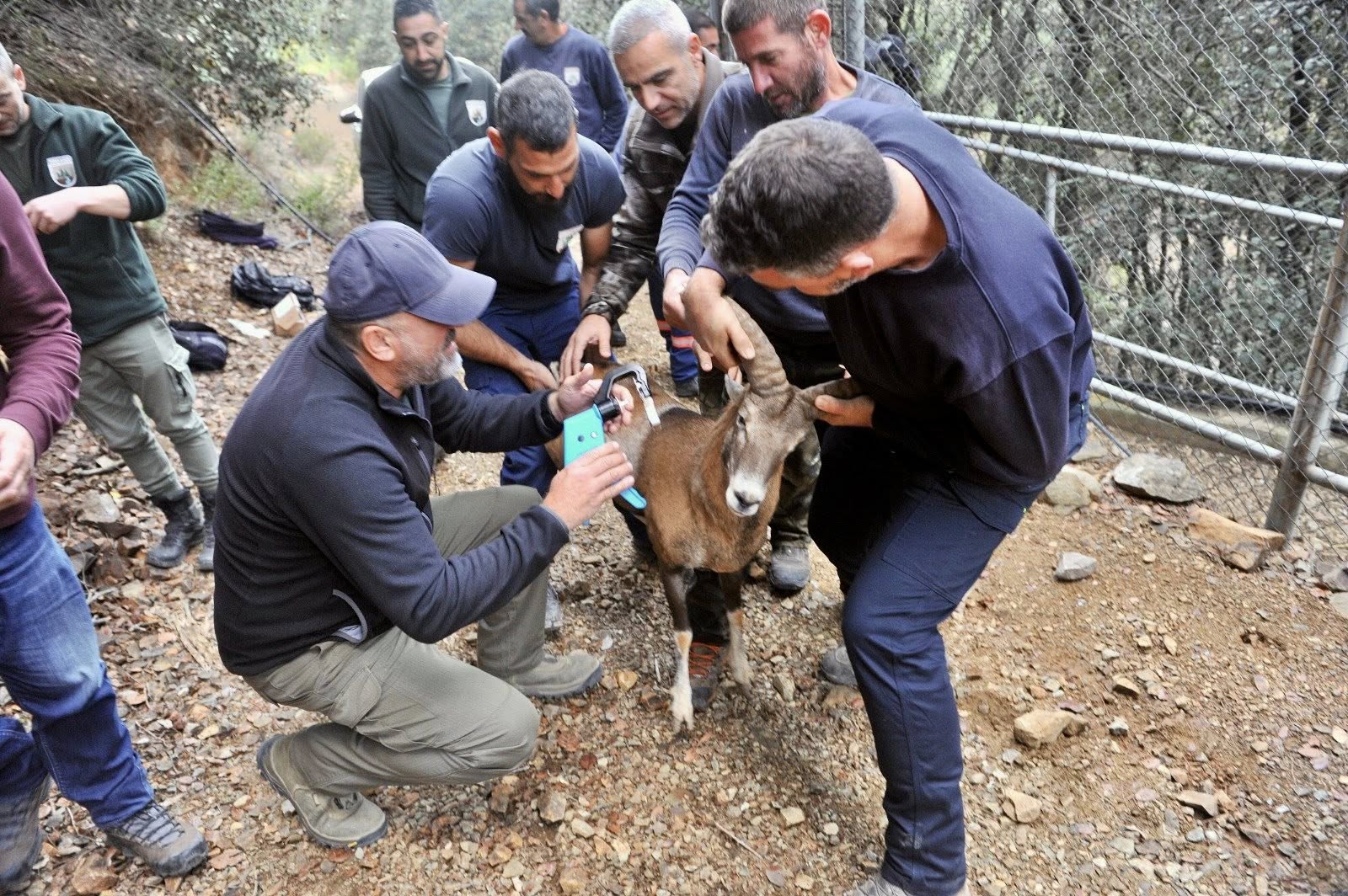
The findings from the recent release of 18 mouflons by the Forestry Department provide valuable data for creating a scientific protocol for systematic releases from the Stavros tis Psokas enclosure, which until now did not exist. Among these findings is evidence that released males are being “rejected” by wild males defending their territories.
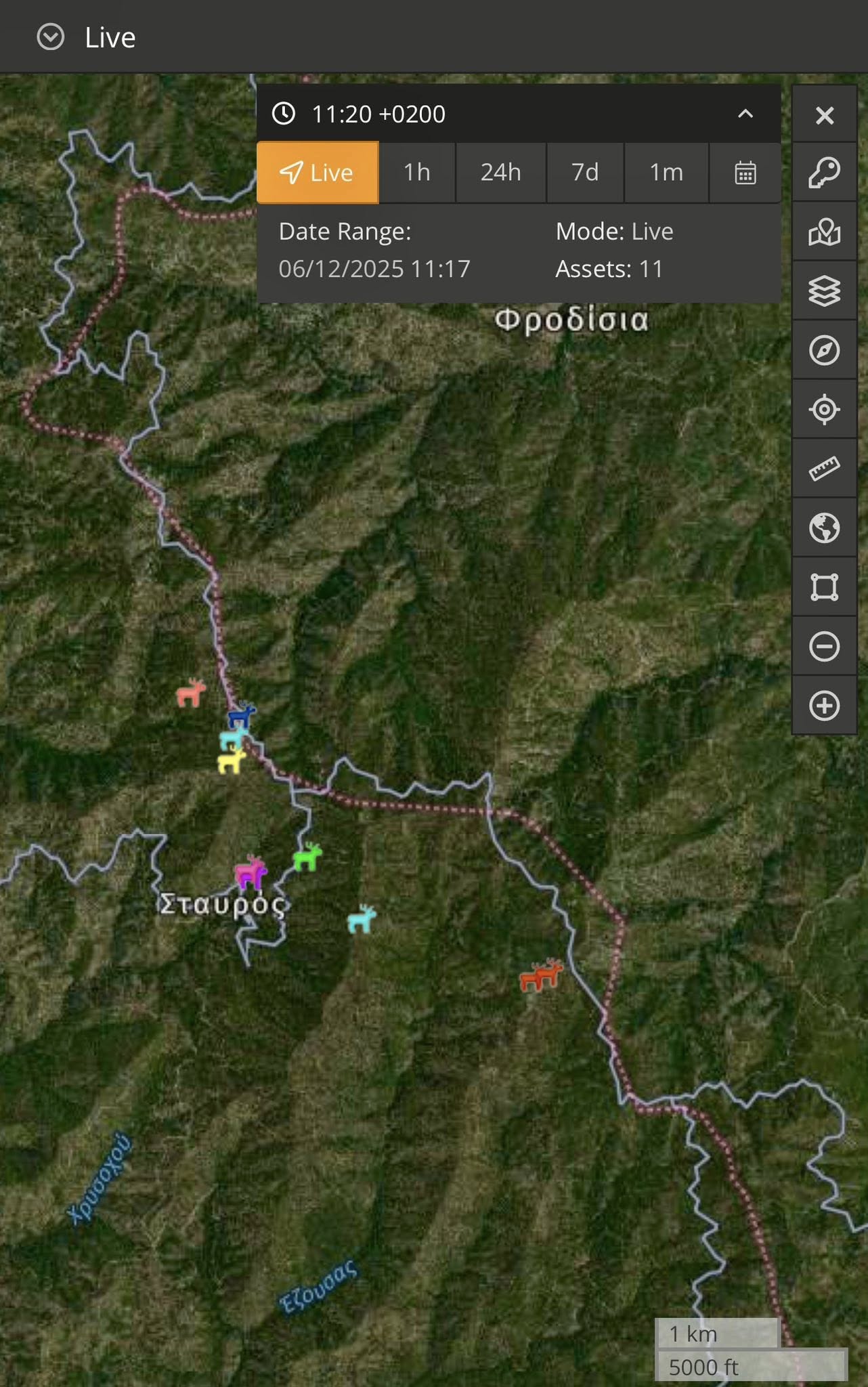
Approximately twenty days after the release, it is clear that the males have not joined the wild herds in the Paphos Forest, unlike the females. The males remain isolated and, according to their satellite transmitters, undertake large, erratic, and unjustified movements. This is due to competition with wild males, who maintain their territories where the females they mate with reside (a male mouflon can mate with four to five females), resulting in released males being driven away, explained Haris Nicolaou, a Forestry Department officer and researcher in Cypriot biodiversity.
“This was expected. International studies on similar species show that males do not adapt easily, whereas females integrate more readily. We can now see that the females have joined wild herds and move more smoothly and consistently through the forest,” he added.
These observations, along with other findings expected to be collected in the coming months, will form essential data for drafting a scientific protocol for future systematic releases. To prevent erratic male movements, forestry officers plan to release males at a younger age with lower testosterone levels. This reduces the likelihood of wild males feeling their territories are threatened.
The release aims to refresh the genetic pool within the enclosure and reduce overcrowding, preventing conflicts among males.
Satellite transmitters
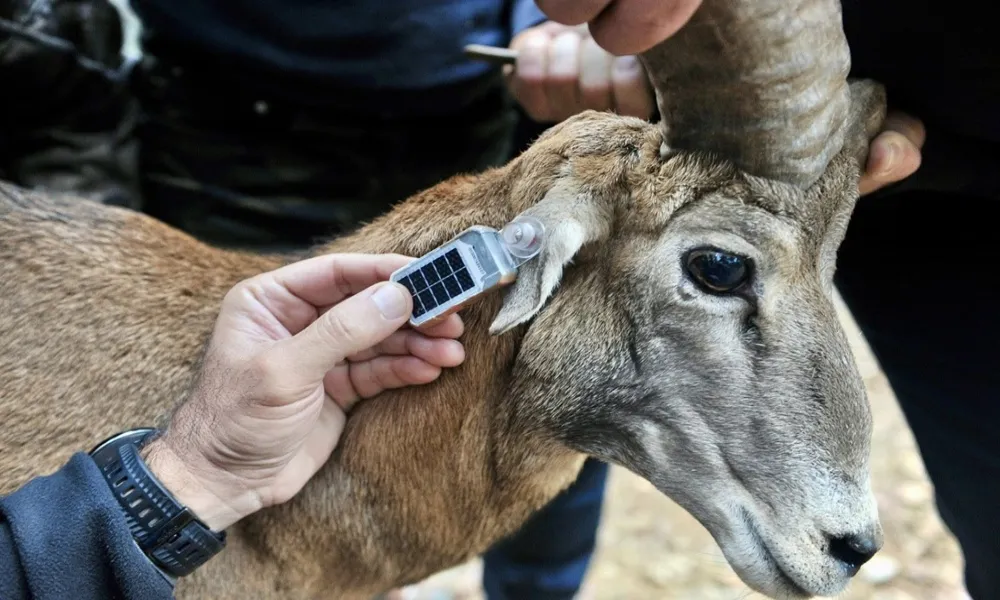
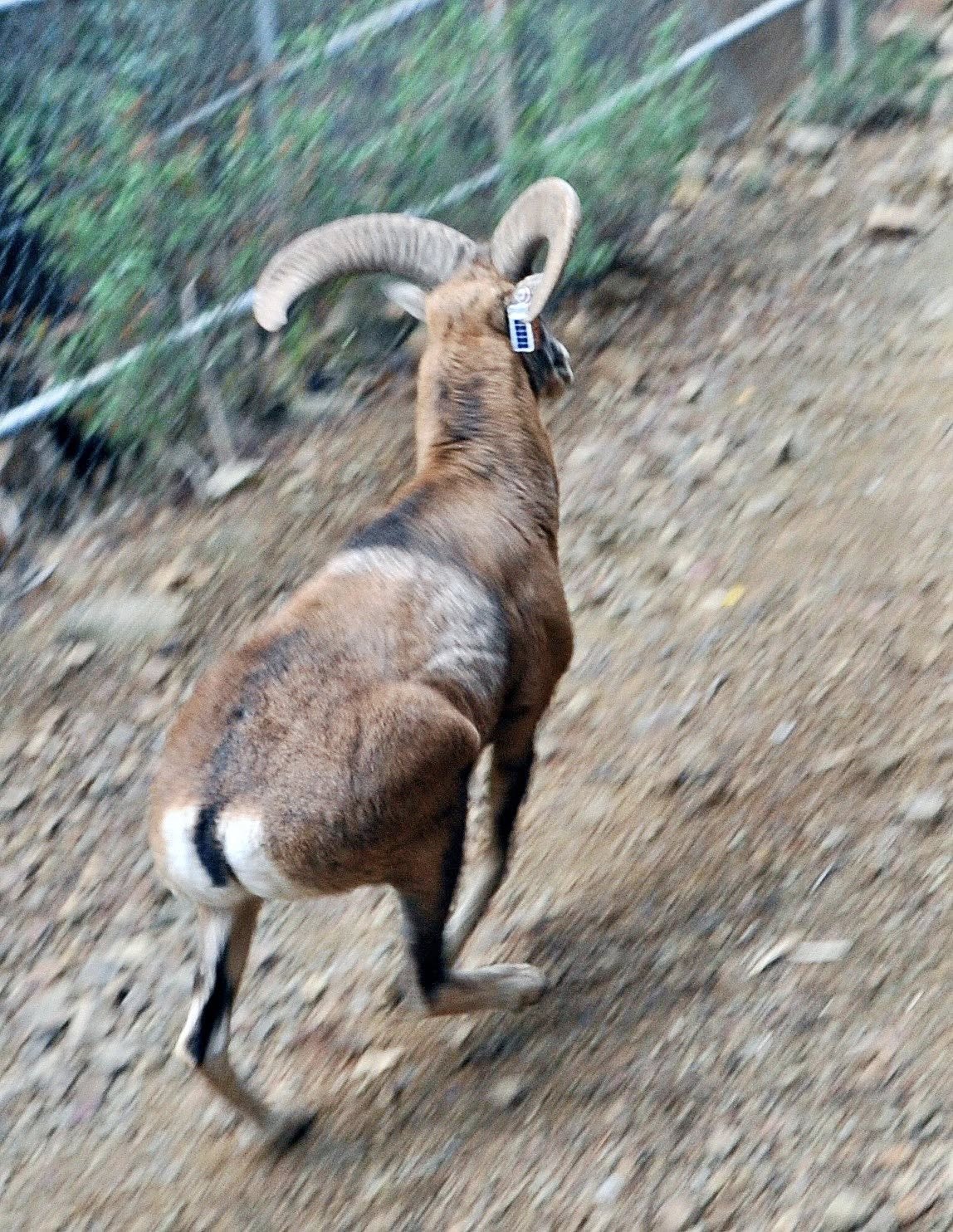
Ten of the 18 released animals are monitored with specialised US satellite transmitters, attached to the ear rather than a collar to avoid entanglement in dense vegetation. “The transmitter weighs only four grams, well below the recommended five per cent of body weight for wild animals,” explained Haris Nicolaou.
Each transmitter uses solar cells to provide location updates every two hours. Monitoring the animals provides valuable scientific data on movements and behaviour and helps ensure their smooth integration into the wild. Forestry officers also provide food and water outside the enclosure to ease the animals’ adjustment.
Genetic renewal within the enclosure is essential, as inbreeding has resulted in closely related populations, increasing disease risk and weakening animals. The new protocol aims to release animals systematically, ensuring healthier populations remain in the enclosure.
Conflicts
Prior to the recent release, 45 animals were confined in the enclosure, far above the recommended 15, leading to frequent conflicts among males. Overcrowding increases the risk of injuries or deaths.
The Forestry Department plans to expand the Stavros tis Psokas enclosure and divide it into two sections: one for animals to be released and one for those remaining in captivity. The enclosure will remain open to the public, who continue to show strong interest in observing mouflons, a species difficult to see in the wild. A second enclosure at Platania houses fewer animals, so similar issues do not arise there.
The ten released mouflons are tracked by satellite, providing location updates every two hours.
A measure since the 1930s
The original enclosure was created in the 1930s under British rule when mouflon numbers in the Paphos Forest had sharply declined. To prevent extinction, hunting was banned and an enclosure established to preserve genetic material, allowing animals to be bred and gradually released to rebuild the population, potentially Cyprus’s first biodiversity conservation action.
After maturing in captivity, mouflons are released to experience freedom and wild life.
In subsequent years, the population recovered due to the hunting ban. The enclosure was maintained after the colonial period and relocated to a larger site to safeguard genetic diversity against disease and other threats.