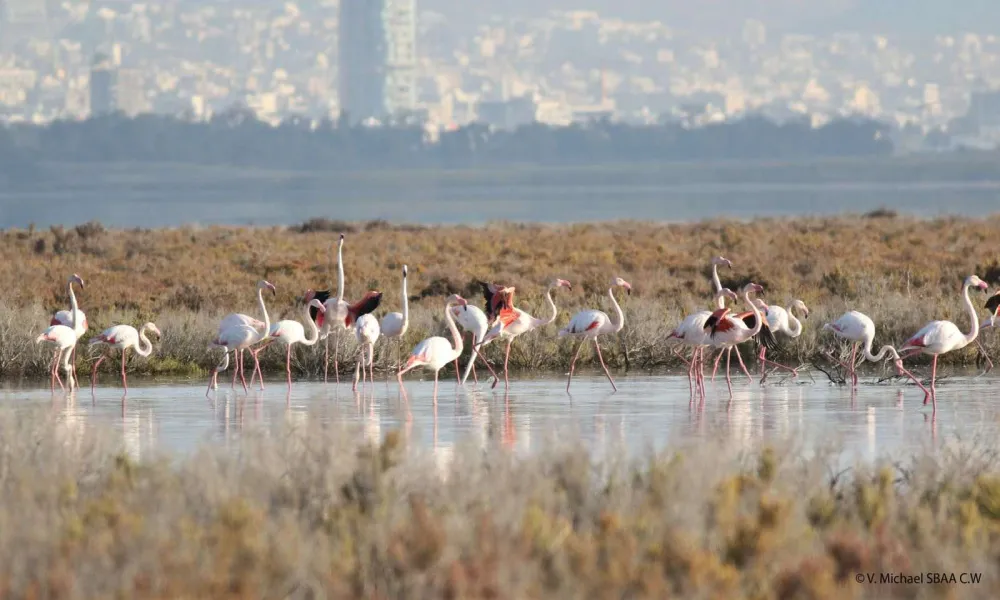

A downward trend has been recorded in the number of flamingos wintering in Cyprus’ wetlands over the past decade, raising serious concern among conservation experts. The Akrotiri Salt Lake, which in previous years hosted impressive congregations of the species at this time of year, is becoming increasingly “impoverished”, as numbers have dropped dramatically.
This decline is attributed to mounting pressure from developments and incompatible activities around the wetland, tolerated by the competent authorities, leading to its gradual degradation.
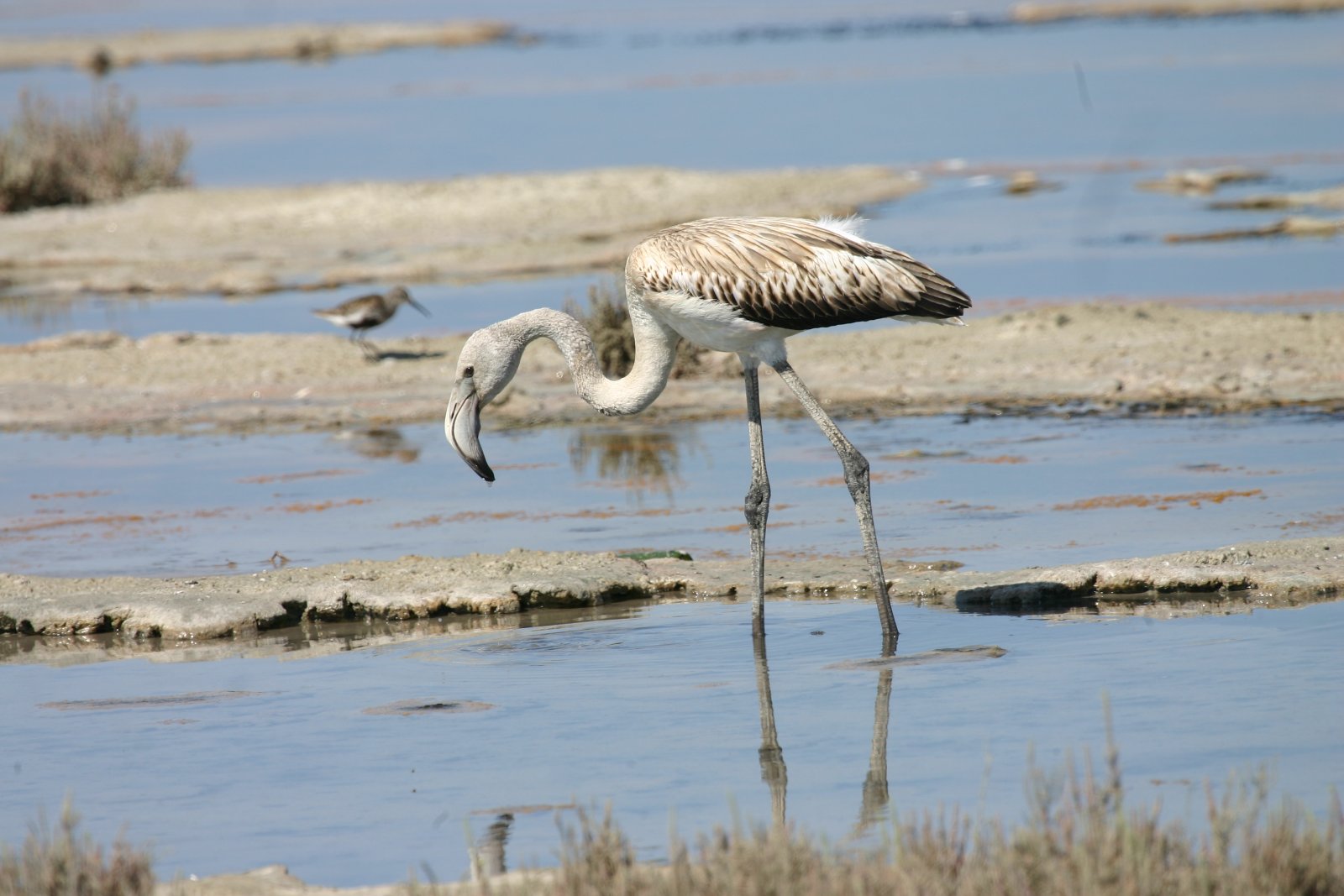
Data illustrating this situation, and its clear link to human-induced factors, were recently presented at the 4th International Flamingo Symposium, held in Venice, Italy. The symposium, which takes place approximately every ten years, brings together research on all flamingo species worldwide. In this context, Cyprus was presented as a cautionary example in terms of its capacity to host the iconic greater flamingo.

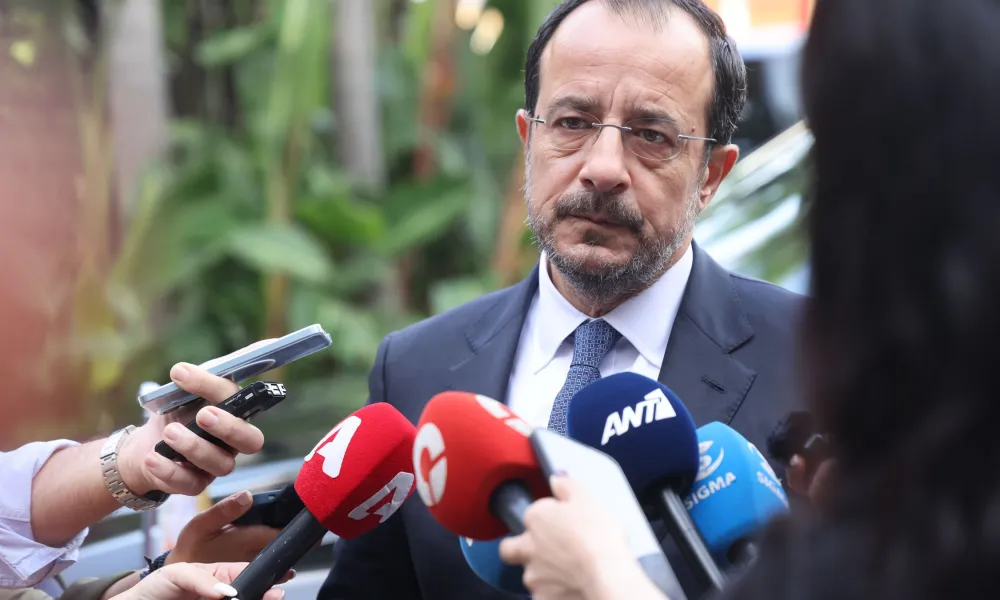
“Cyprus’ wetlands host, during winter, one of the largest populations of flamingos (Phoenicopterus roseus) in the Eastern Mediterranean. Flamingos visit five natural wetlands on the island, with the largest populations wintering at the Larnaca and Akrotiri Salt Lakes. On average, between 5,000 and 10,000 flamingos winter in these wetlands, representing more than 1% of the Eastern Mediterranean population,” senior Game and Fauna Service officer Nikos Kassinis told Politis.
A 14–31% drop
Between 10 and 15 November, Kassinis took part in the International Flamingo Symposium, where he presented the worrying status of the species in Cyprus. As he explained, monthly waterbird counts, systematically carried out for more than two decades by the Game and Fauna Service and BirdLife Cyprus, show a clear decline in flamingo numbers.
Specifically, from 2013 to the present, a reduction of between 14% and 31% has been recorded.
In his presentation, Kassinis referred to attempts by the species to breed in Cyprus, the placement of GPS transmitters in collaboration with the Akrotiri Environmental Education Centre and BirdLife Cyprus, and the monitoring of the movements of certain birds over the past ten years.
Threats to the species were discussed, alongside reference to the LIFE IP PHYSIS project, which includes conservation actions aimed at improving conditions for target species, including the flamingo.
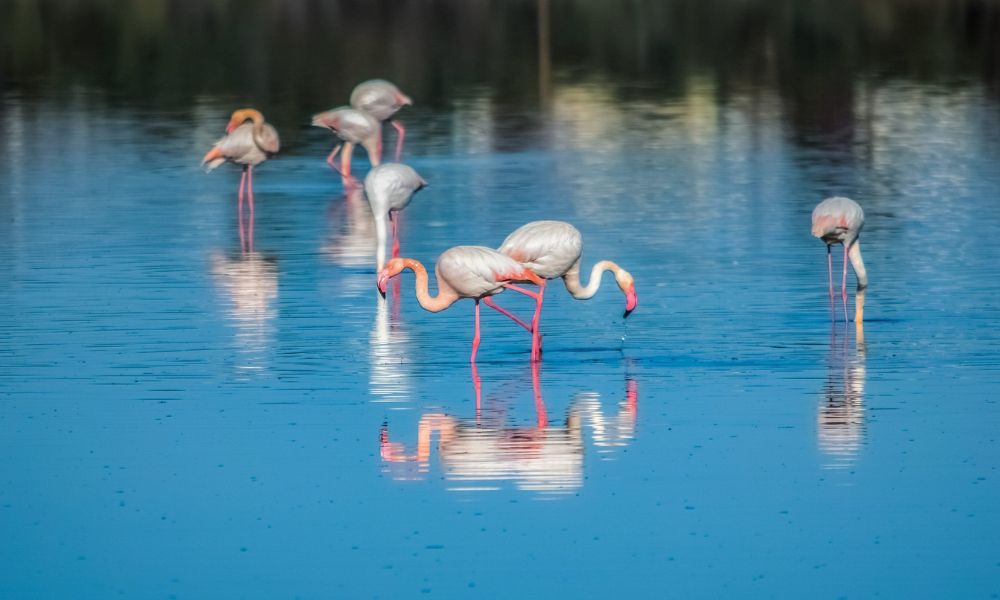
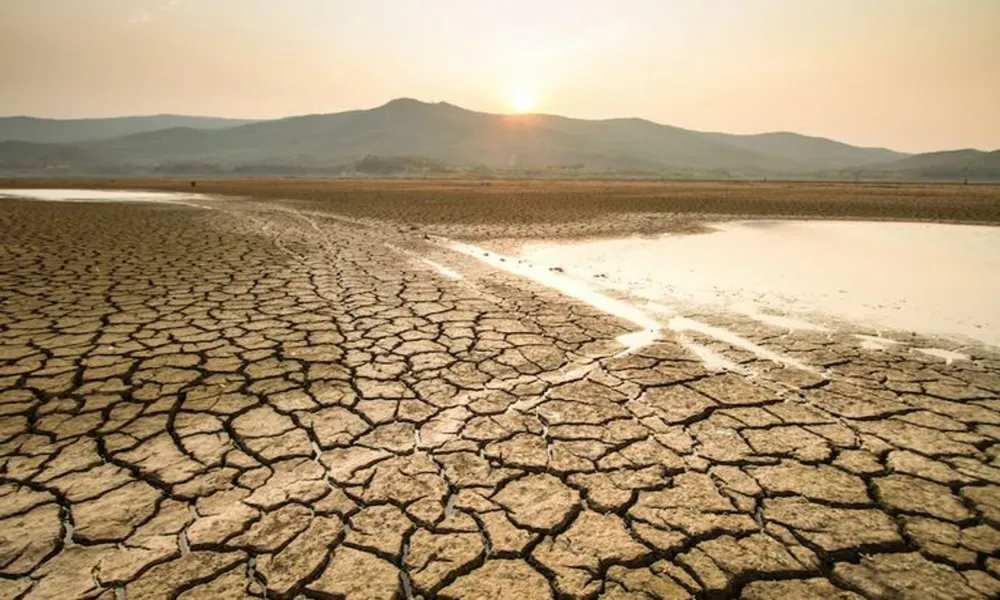
According to Kassinis, the most likely factors behind the significant decline of the species in Cyprus are frequent droughts, the inflow of poor-quality water resulting in reduced food availability, and pressure from developments and incompatible activities around wetlands. The trends, he stressed, are particularly alarming at Akrotiri, the island’s largest wetland.
Actions to improve conditions
The Pandoteira project is a national initiative in Cyprus aimed at improving the effective management of the Natura 2000 protected areas network. Its goal is to enhance the conservation status of important habitats and species through targeted actions in awareness-raising, mapping and conservation, implemented nationwide across 35 Natura 2000 sites.
As part of Pandoteira, a ten-year project co-financed by the EU LIFE Programme, knowledge gaps regarding the specific needs of certain species in terms of feeding, nesting and resting will be addressed, alongside the quantification of the threats they face. The flamingo is one of the species included in the project.

“Filling these knowledge gaps will allow for the adoption of targeted conservation measures to improve the status of these species in specific Special Protection Areas. As a result, conservation objectives will be achieved, both for the species themselves and for the Natura 2000 sites in which they occur,” Kassinis said.