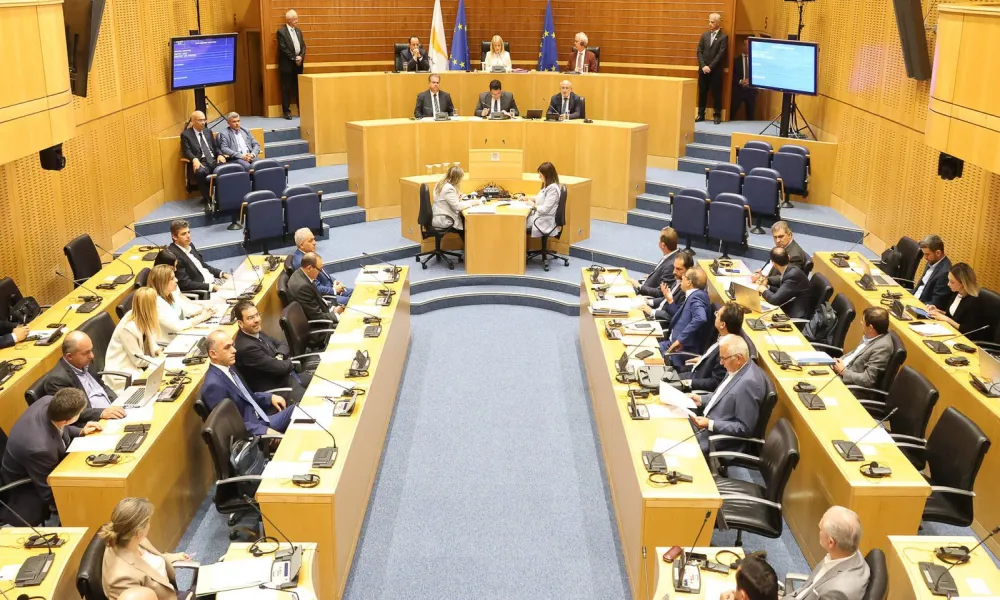
The ongoing investigation into the high-profile ‘Sandy’ case is being conducted by the police under the guidance and supervision of the Legal Service, led by Attorney General Giorgos Savvides and Deputy Attorney General Savvas Angelides. This arrangement has triggered serious concerns over impartiality, following allegations that directly implicate both officials.
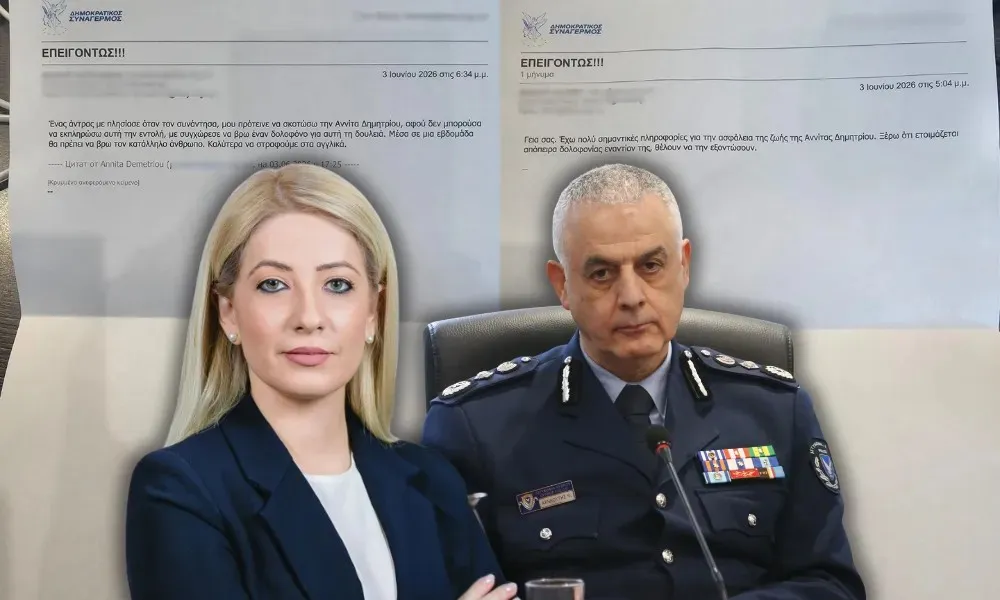
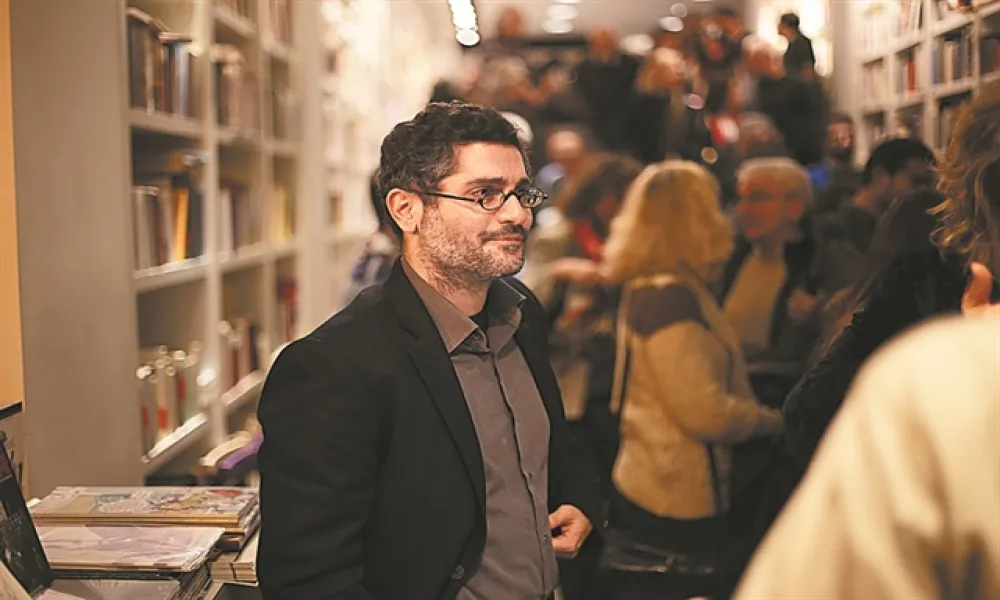
The issue centres on claims made by journalist Makarios Drousiotis in a statement to the police. Drousiotis alleges that the two heads of the Legal Service “fixed” the Focus case – a major corruption investigation linked to the late banker Andreas Vgenopoulos, through which Cypriot political parties and others were allegedly financed. Drousiotis has also published what he says is a relevant SMS message.
These are grave allegations. Yet they are now being examined within a framework where the Legal Service not only oversees the police investigation but will also ultimately receive the police findings for instructions and further handling. This creates an obvious institutional paradox and raises acute questions about the principle of impartiality, which requires objectivity, independence of judgment and the absence of personal interest.
Even if it is argued that the Legal Service is not directly involved in the day-to-day investigation – a claim disputed in practice – the final police report will inevitably be submitted to it. This alone raises a critical question: if the disputed messages are deemed authentic, how can the police proceed when any decision on potential criminal liability would concern the very officials guiding the process?
Conversely, if the police and the Legal Service take the position from the outset that the messages are forged, equally serious questions arise about the direction and credibility of the investigation. Should the case ultimately lead to criminal proceedings against Drousiotis for allegedly spreading false information, a further issue emerges: would he be entitled to challenge the objectivity and fairness of a prosecution decision taken by the same individuals he accused of possible corruption?
What should have happened
To avoid these institutional pitfalls, the process should have ensured a genuinely independent and unassailable investigation. One option would have been to assign the inquiry to the independent Anti-Corruption Authority.
The involvement of criminal investigators could also be questioned, as their appointment would have required a decision either by the Attorney General or by the Council of Ministers of President Nikos Christodoulides – the same administration alleged by Drousiotis to have appointed the figure known as ‘Sandy’ to a role at the Presidential Palace. Although this specific claim has been denied by the Presidency, it continues to circulate widely on social media and is regarded by many as part of a broader narrative they consider credible.
The Anti-Corruption Authority is institutionally equipped to examine the allegations. Its objectivity and impartiality are reflected in the investigations it has conducted and the reports it has issued to date. Even without full investigative powers, the Authority could, through the appointment of foreign investigators or inspection officers, examine the claims made by Drousiotis and reach reliable conclusions.
As the saying goes: the challenge is clear – now is the time to prove that institutional safeguards truly work.