
The global economy remains on the brink of an unprecedented situation because of the war in the Middle East. As Eurogroup president Kyriakos Pierrakakis warns, the current state of affairs is not a simple disruption of energy markets but a potentially historic energy crisis, with effects that could ripple through every corner of the global economy.
The comparison he draws leaves little room for complacency. Losses in energy supply, in both oil and natural gas, exceed even the shocks of the 1970s and the crisis that followed Russia’s invasion of Ukraine. If tensions fail to ease, especially at critical chokepoints such as the Strait of Hormuz, supply-chain disruption will intensify, pushing costs onto businesses and consumers alike.
Europe, Pierrakakis notes, is better prepared today than it was in 2022, mainly because it has diversified its energy sources and strengthened its use of renewables. Even so, the continent still depends on energy imports for 57 percent of its needs. This means that any prolonged crisis translates almost automatically into higher inflation and weaker growth – a dangerous combination that brings the spectre of stagflation closer.
At the heart of the problem lies uncertainty. It is not only the scale of the crisis that worries policymakers, but above all its duration. Two weeks of tension are manageable. Three months, however, could dramatically shift the balance, drive prices sharply higher and undermine confidence in markets.
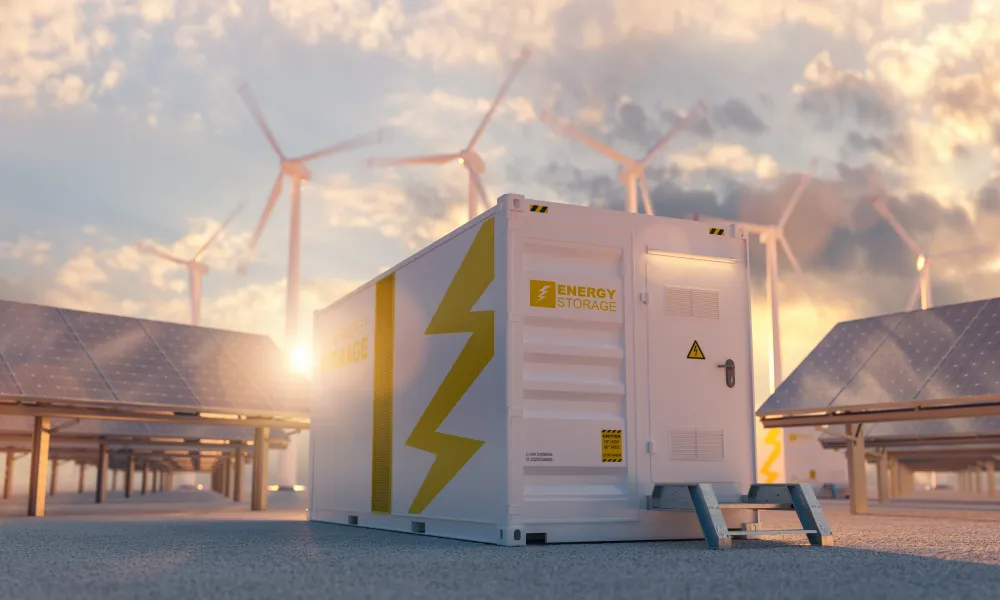
For a small, open economy such as Cyprus, the risks are even more complex, while also highlighting the strategic choices that must be made. The country now has installed capacity from renewable energy sources approaching 1,000 megawatts – a significant energy asset that remains underused. Instead, renewable generation is being curtailed on a daily basis because of grid constraints, but above all due to the lack of storage and interconnections. At a time of global energy instability, this reality represents a strategic disadvantage.
The crisis therefore leaves no room for delay. Cyprus must make the full utilisation of its existing renewable potential an absolute priority, investing in storage, smart grids and interconnections. Only by doing so can it reduce its dependence on imported fuels and shield its economy from external shocks.
The current crisis underscores a clear lesson: renewables are the strongest weapon available to the Cypriot economy – a weapon that remains largely untapped.