
The shortlist for the International Booker Prize 2026 has been finalised, showcasing six translated works ahead of the winner announcement in London this week.
The 57,000 euro prize is awarded annually for a single novel translated into English and published in the UK or Ireland, with the financial reward split equally between the author and the translator. This year’s selection features five female authors and four female translators, representing eight different nationalities and five original languages. Natasha Brown, the chair of the judging panel, noted that the selected texts capture significant historical moments from the past century while delivering profound insights into human nature.
Historical and cultural narratives
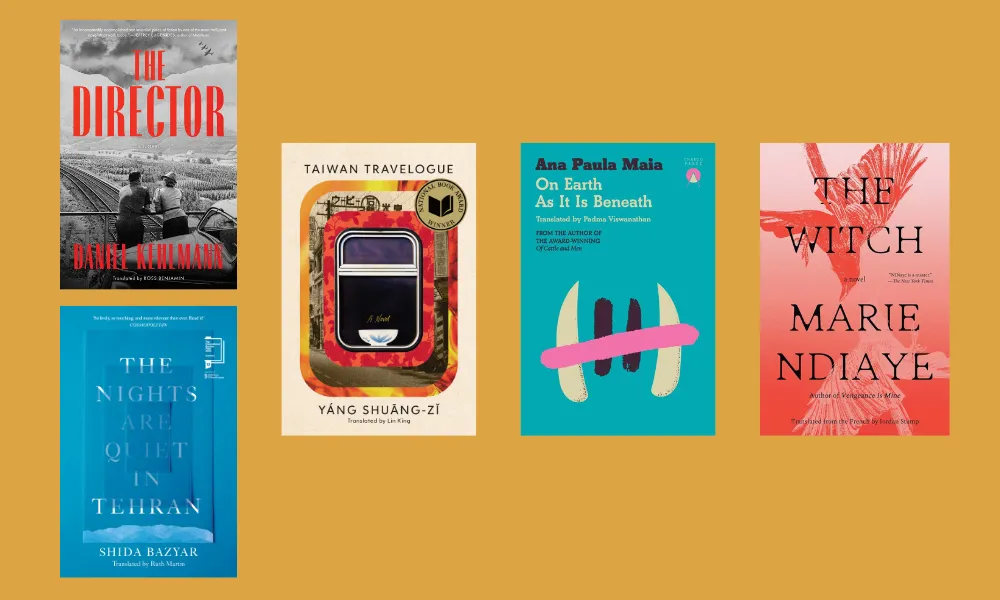
Among the contenders is Taiwan Travelogue by Yáng Shuāng-zǐ, translated by Lin King. Originally published in Mandarin Chinese, the novel explores the relationship between a Japanese writer and her Taiwanese interpreter in the 1930s under Japanese colonial rule, blending romantic longing with postcolonial critique.
From Eastern Europe, She Who Remains by Rene Karabash, translated by Izidora Angel, details the life of a 33-year-old woman in Albania who invokes the ancient Kanun code to become a sworn virgin, socially transitioning to escape a forced marriage.
The shortlist also features The Witch by Marie NDiaye, translated from French by Jordan Stump. First published in 1996, the narrative follows a small-town woman dealing with the dissolution of her family alongside her unconventional identity as a witch.
Exile, art and institutional horror
Political upheaval forms the backdrop of The Nights Are Quiet In Tehran by Shida Bazyar, translated by Ruth Martin. The multi-generational epic spans four decades following the 1979 Iranian revolution, tracking a single family through exile and resistance.
Cinematic history and moral compromise are examined in The Director by Daniel Kehlmann, translated by Ross Benjamin. The biographical fiction follows the acclaimed filmmaker G.W. Pabst as he navigates the contrast between Hollywood and the propaganda machine of Nazi Germany.
The final contender, On Earth As It Is Beneath by Ana Paula Maia, translated by Padma Viswanathan, is set in a remote penal colony built on land formerly used for the torture of enslaved people, focusing on the psychological breakdown of an isolated group of men.
The winning book will be announced during an official ceremony at the Tate Modern in London.