


The scandal began to unfold in 2022, when it emerged that journalists, politicians, military officers and businesspeople in Greece were under surveillance, either through the state intelligence service EYP's system of lawful interception or through Predator, spyware marketed by the company Intellexa. EYP had come under the direct oversight of Prime Minister Kyriakos Mitsotakis in 2019, with his nephew Gregoris Demetriades serving as the secretary-general responsible for overseeing its work.
The revelation that journalist Thanasis Koukakis and PASOK leader Nikos Androulakis had been under surveillance led to the resignations of Demetriades and then EYP director Panayiotis Kontoleon in August 2022. A series of investigations followed, from Greek judicial authorities to the European Parliament's PEGA inquiry committee, which found that the software had been used by the country's top political leadership.
February 2026 brought the first judicial outcome. An Athens misdemeanour court convicted Intellexa founder Tal Dilian, his business partner Sara Hamou, former Intellexa executive Felix Bitzios and Yiannis Lavranos, owner of the company through which Predator was procured, handing down a combined sentence of 126 years and eight months for breaching the confidentiality of communications. The case file was also referred for further examination. The convictions concerned misdemeanour offences only and left untouched the question of state agencies' involvement, which the Supreme Court prosecutor's office had already shelved in 2024.
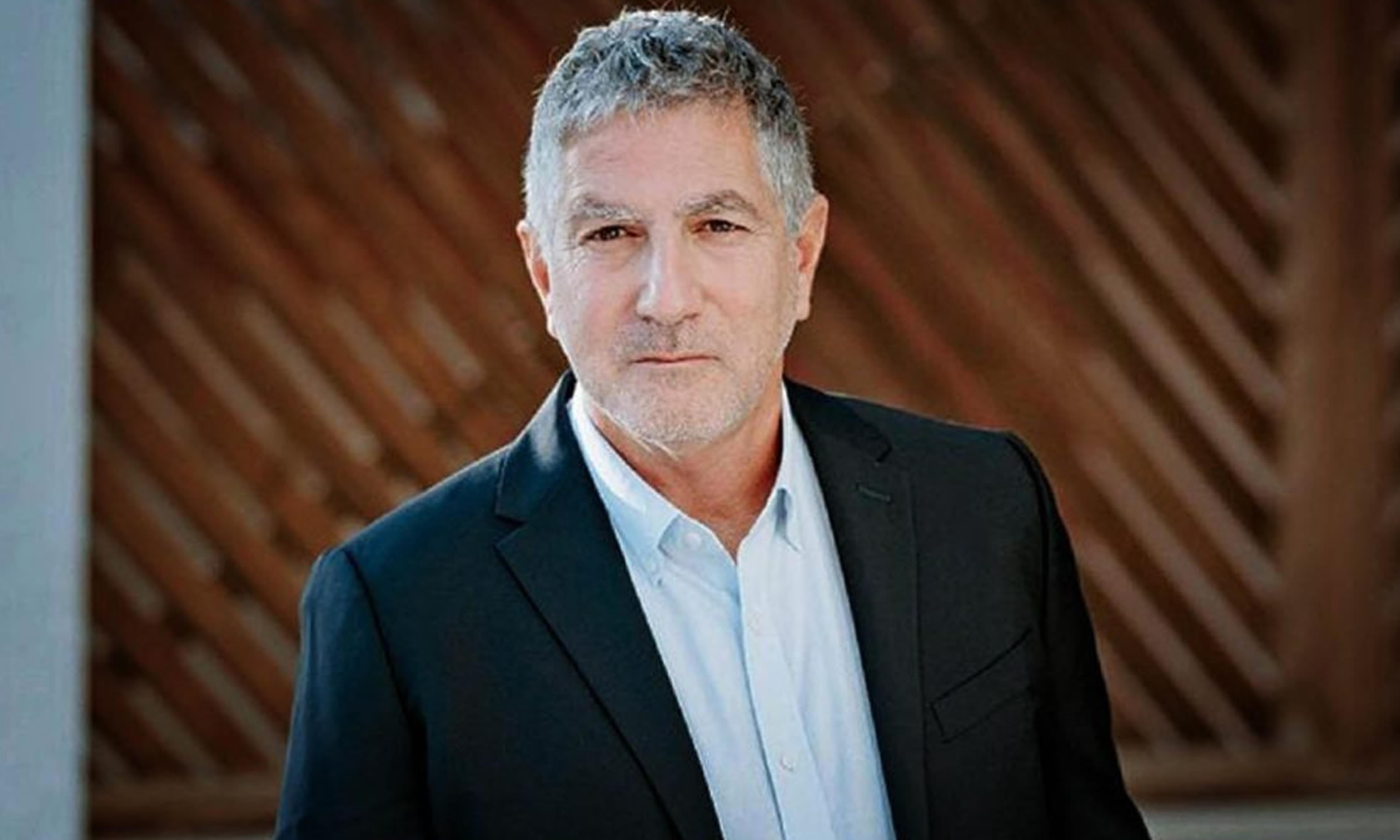
The admission that opened a new chapter
The case flared up again on 13 July 2026, when it emerged that Dilian himself, in a defamation lawsuit he filed in Israel against Koukakis in November 2025, states in writing that he sold Predator to Greek state authorities, describing the sale as "entirely legal." At the same time, he denies any involvement in using the software for illegal surveillance in cooperation with EYP. It is the first time Dilian has officially acknowledged, in a court document, selling the software in Greece, having previously insisted publicly that his company operated purely as a technology provider with no connection to how the systems were used.
Lawyer Zacharias Kesses, who represents Predator victims, called the filing crucial evidence and urged Supreme Court prosecutor Evangelos Bakelas to request certified copies of the Israeli case file through international judicial assistance. Koukakis took the same initiative himself, filing a formal request to reopen the shelved Greek case and calling for Dilian, or alternatively Intellexa executives who have never been questioned by Greek authorities, to be summoned to testify, according to exclusive reporting by Documento.
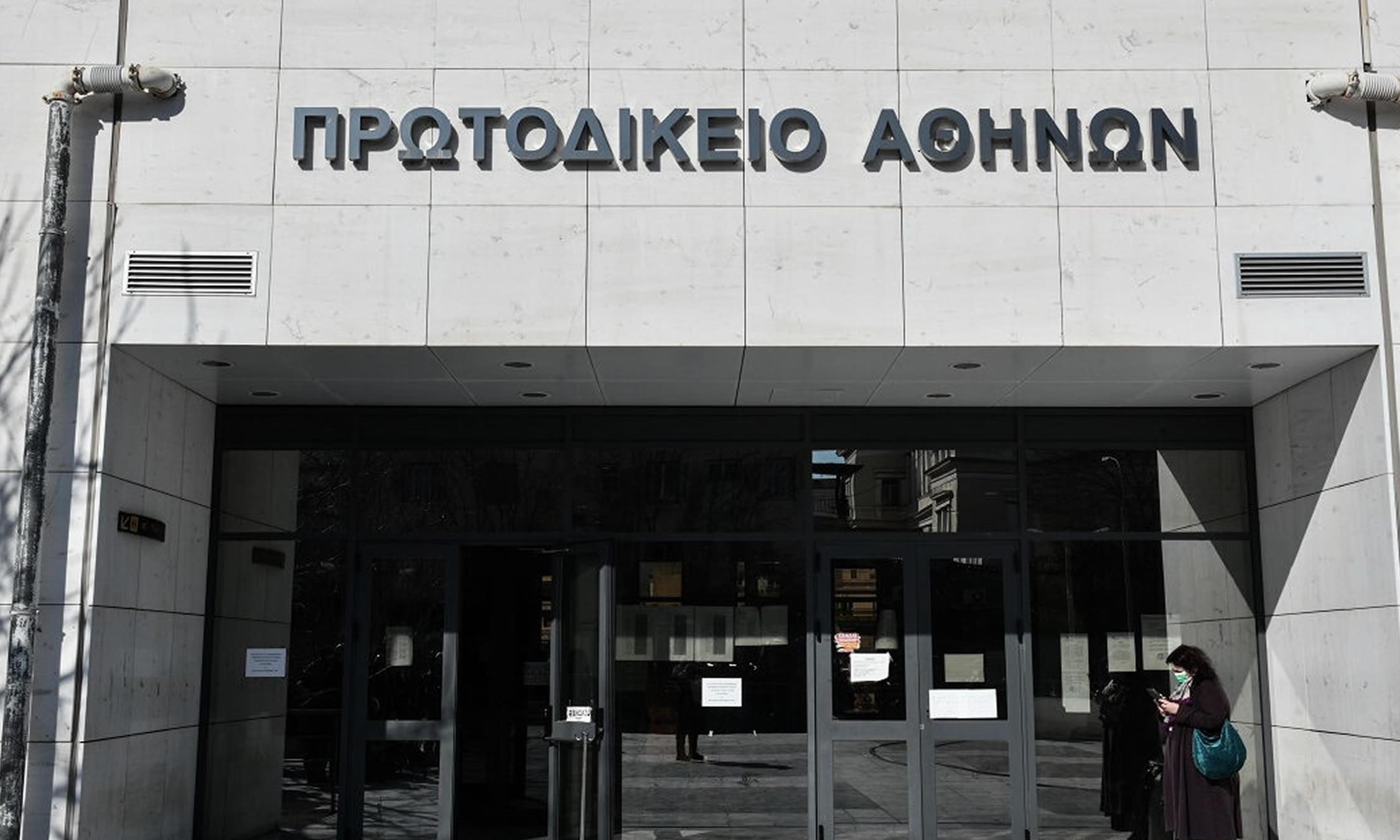
Separately, eight victims filed civil lawsuits at the Athens multi-member court of first instance against Intellexa and thirteen individuals, seeking damages exceeding seven million euros in total, while former prime minister Antonis Samaras has also requested his own investigation as an alleged target of the software.
The government, through spokesman Pavlos Marinakis, sought to play down the developments, stressing that they amounted to a lawyer's assertions rather than a new revelation, and pointing to three earlier judicial rulings that had closed the case as far as state agencies' involvement was concerned. The opposition called for judicial intervention and for Dilian and Demetriades to be summoned before parliament, a request rejected again by the New Democracy majority on the Committee on Institutions and Transparency, which argued that neither man is a public official.
Against this backdrop, Demetriades gave a recent interview to journalist Thanasis Lalas in which he defended his decision to take political responsibility in 2022, while avoiding any fresh comment on the substance of the case, citing the need to protect the state and the government.
Cyprus's role in the scandal
Alongside the developments in Greece, the case's Cypriot prehistory is coming into sharper view. Dilian and his associate Avraham Sahak Avni were active in business on the island. The so-called "black van" used for surveillance, which came to light in 2019, along with the earlier controversy over antennas at Larnaca airport, are now seen as part of a wider network with close ties to Cyprus's political system and security establishment. Cyprus's Independent Authority Against Corruption has been investigating Dilian's relationships with Cypriot officials since March, while the lawsuit filed by the eight victims in Athens contains extensive references to Cyprus as the base where the network first developed before moving to Greece.
Journalist Fanis Makridis, speaking to Katerina Eliadi for Politis about his book, documents Dilian's ties to the then leadership of the Democratic Rally (Disy), as well as a possible conflict of interest involving deputy attorney-general Savvas Angelides. According to Makridis, the Cyprus side of the case was never properly investigated, possibly because of the country's diplomatic relations with Israel, a finding that adds weight to the question of just how deeply the spyware industry's ecosystem had taken root in the wider region long before it became a nationwide story in Greece.