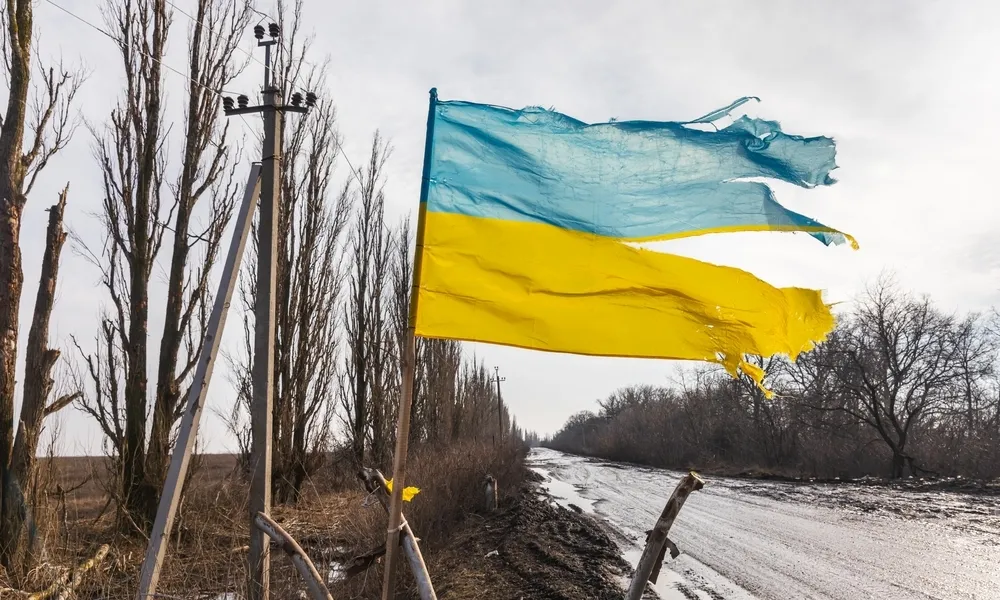

EU countries agreed on Wednesday to extend temporary protection status for people fleeing Ukraine by a further year, until 4 March 2028, while introducing a new condition for anyone applying from now on: new applicants will have to show they are complying with their military obligations in Ukraine before they can receive protection in the bloc.
The decision, taken by the Council of the EU, adds a year to a mechanism that had so far been extended to 4 March 2027. More than four million people displaced from Ukraine have benefited from temporary protection in the EU since the mechanism was first activated in March 2022, with 4.38 million recorded as covered by it as of 31 May 2026.
In Cyprus, 25,490 Ukrainians were registered under temporary protection as of the end of May, according to Eurostat figures published on 10 July, up from 24,880 in April. That gives Cyprus the third-highest rate of beneficiaries per capita in the EU, at 25.9 per 1,000 inhabitants, behind Slovakia and Poland and well above the EU average of 9.7 per 1,000.
The new military service condition applies only to new applicants and does not affect anyone already receiving temporary protection in the EU. In practice, people displaced from Ukraine will need to prove they left the country legally and satisfy their military obligations, for instance by showing a passport with an exit stamp from the Ukrainian authorities, or a paper or electronic document confirming exemption from or compliance with those obligations.
Ireland's Minister for Justice, Home Affairs and Migration, Jim O'Callaghan, said the extension provided "stability for those who found safety in the EU." Ireland currently holds the rotating presidency of the Council of the EU.
Temporary protection gives displaced people the same rights across the bloc, including the right to reside, to work and access housing, medical assistance, social welfare and education for children. The mechanism, established by an EU directive in 2001 in the aftermath of displacement caused by the conflict in the Western Balkans, was activated for the first time in response to Russia's invasion of Ukraine.
The Council said it would formally adopt the extension in the coming weeks, after which it will be published in the EU Official Journal and take effect the following day. The decision follows a September 2025 agreement by the Council on a gradual, coordinated approach to eventually phasing out temporary protection, including pathways to longer-term residence through employment, education or family grounds, and preparations for an eventual return and reintegration in Ukraine once conditions allow.