
As a therapist, I spend a fair amount of time thinking about people: why we behave the way we do, why we repeat certain patterns, why we struggle to say what we mean and why understanding ourselves can sometimes be so difficult. But some of the most interesting reflections on human behaviour don't necessarily come from psychology books. They can be found in novels, too.
There is something about a well-written character that can tell you a great deal about love, grief, loneliness or self-deception. So, this November, I'm recommending five books that explore the complicated business of being human. Not because they promise to change your life, but because they might change the way you look at people.
And no, none of them will ask you to wake up at 5am, start journalling or become the best version of yourself. We have enough of that already.
1. The Schopenhauer Cure by Irvin D. Yalom
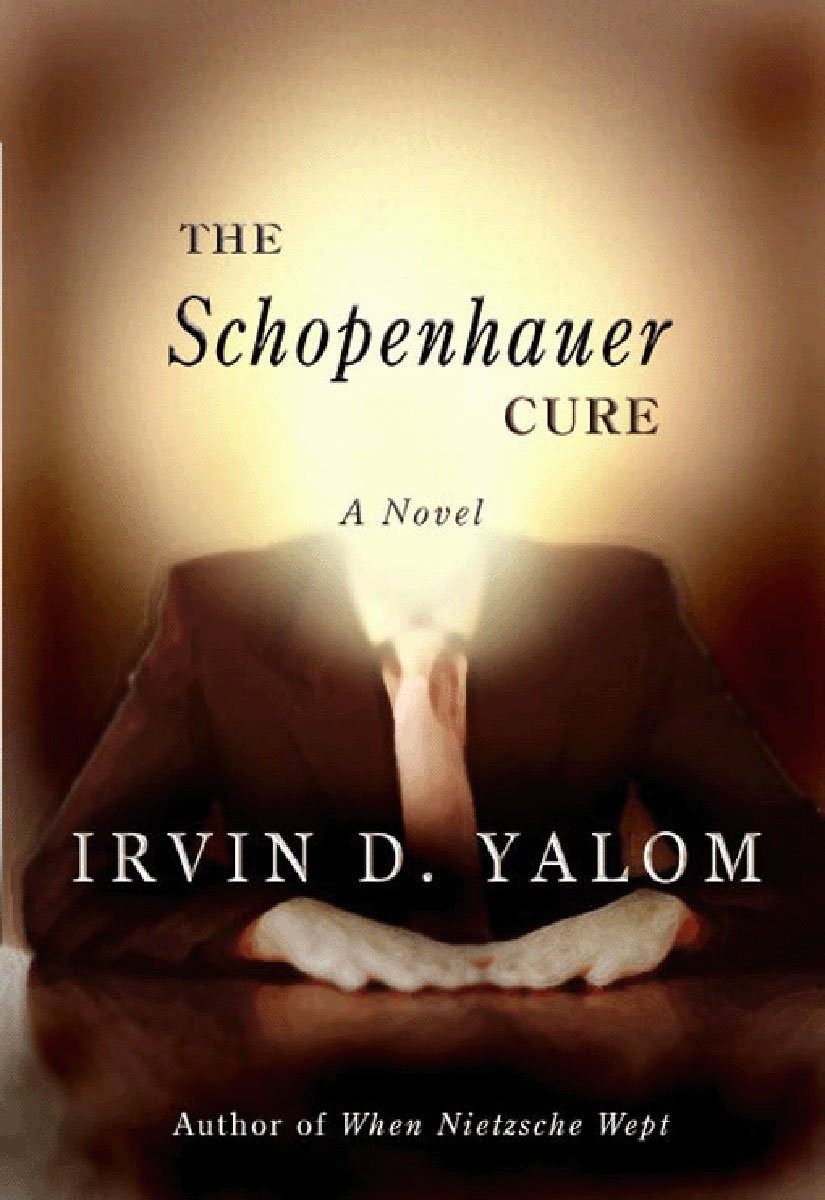
I would find it difficult to put together a reading list about human behaviour without including Irvin D. Yalom. A psychiatrist and psychotherapist, Yalom has a particular talent for exploring the things people don't always find easy to talk about: loneliness, death, relationships, regret and the rather inconvenient fact that understanding ourselves doesn't necessarily mean we know what to do next.
In The Schopenhauer Cure, psychotherapist Julius Hertzfeld discovers that he has terminal cancer and begins reflecting on his life and work. He reconnects with a former patient, Philip Slate, who has become fascinated by the philosophy of Arthur Schopenhauer. Eventually, Philip joins a therapy group, bringing his rather unusual views on relationships and human connection into the room.
What follows is an interesting exploration of group therapy, intimacy, isolation and the ways people relate to one another. There is also something refreshing about reading a book in which the therapist is not portrayed as someone who has life completely figured out. Therapists have their own histories, relationships, fears and unresolved questions. We don't suddenly become immune to being human because we have studied it.
If you're interested in psychology but don't particularly fancy reading a textbook, Yalom is a good place to start.
2. The Examined Life by Stephen Grosz
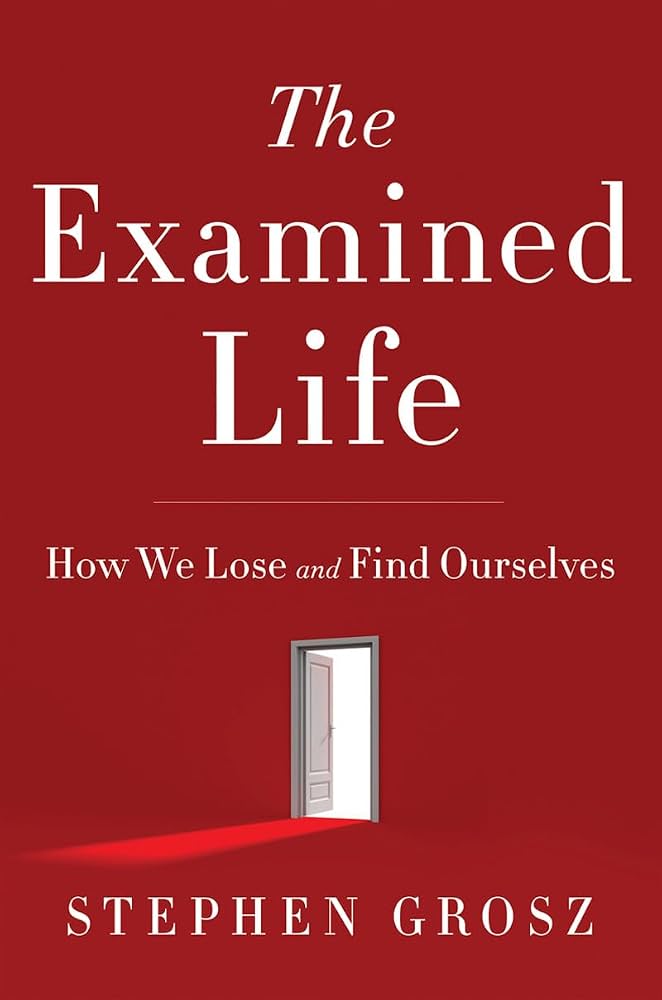
This is the one for anyone who has ever wondered what actually happens in a therapist's office.
Stephen Grosz is a psychoanalyst who spent more than 25 years working with patients, and The Examined Life brings together a series of short stories inspired by his clinical experience. The stories explore love, loss, jealousy, family relationships, secrets and the many ways people try to make sense of their lives.
What I like about this book is that it doesn't attempt to turn every human experience into a neat psychological explanation. People are complicated. Sometimes they know exactly what they're doing and sometimes they really don't. Sometimes the things we say we want are not quite the things we are looking for.
The chapters are relatively short, which also makes it an easy book to pick up when you don't have the attention span for a 400-page novel. No judgement. Some days even choosing what to watch on Netflix feels like a commitment.
3. Stoner by John Williams
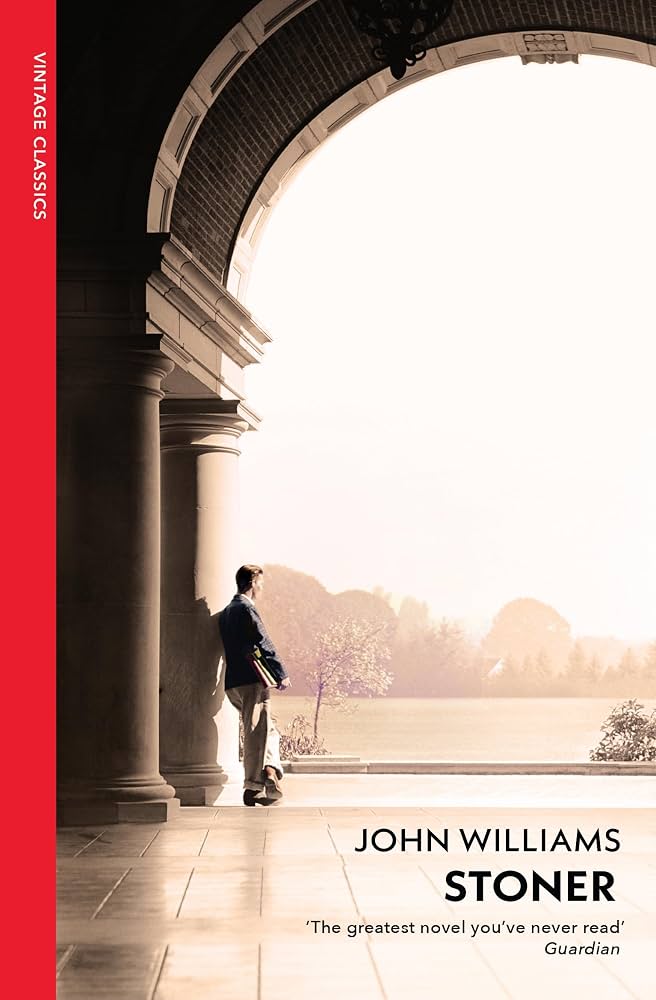
This is perhaps the least dramatic recommendation on the list, which is precisely why I think it deserves a place here.
Stoner follows William Stoner, the son of a farming family who goes to university, discovers a love of literature and eventually becomes an academic. His life is not particularly extraordinary. He experiences an unhappy marriage, difficult relationships, professional disappointments and the sort of quiet frustrations that most people will recognise in one form or another.
There are no particularly spectacular twists. Nobody is solving a murder, uncovering a family secret or running away to start a new life in Italy. And yet, somehow, the book manages to be incredibly moving.
I think we sometimes underestimate how much can be going on in someone's life simply because, from the outside, everything looks rather ordinary. We see the decisions people make, but rarely the full story behind them. Stoner makes you think about all the things that go unsaid, the opportunities missed and the lives people imagine they might have had.
It is also a good reminder that a book doesn't need an extraordinary plot to leave an impression.
4. The Remains of the Day by Kazuo Ishiguro
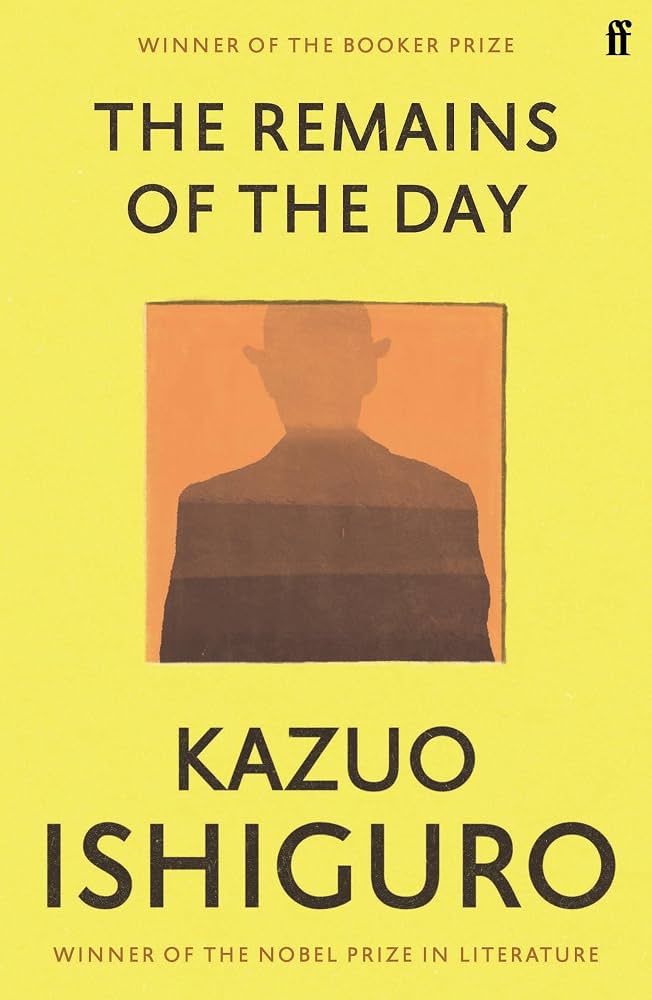
Imagine spending so much of your life trying to do everything properly that you eventually forget to ask yourself whether you're actually happy.
That is, in many ways, the question at the centre of Kazuo Ishiguro's The Remains of the Day.
The novel follows Stevens, an English butler who has devoted his life to serving his employer. He takes enormous pride in his professionalism and his ability to remain composed, even when life around him becomes complicated. During a journey through the English countryside, he begins reflecting on his past, his choices and his relationship with a former colleague, Miss Kenton.
It is a quiet book, but there is a lot happening beneath the surface. Stevens has spent so much time maintaining his idea of dignity and fulfilling his responsibilities that he struggles to acknowledge the personal experiences and relationships he may have sacrificed along the way.
I find this particularly interesting because we all have ways of explaining our decisions to ourselves. Sometimes those explanations help us make sense of things. Other times, they make it easier to avoid asking uncomfortable questions.
I won't say much more because part of the pleasure of this book is discovering what is left unsaid. But if you enjoy characters who make you want to reach through the pages and ask them a few questions, Stevens will certainly give you plenty to think about.
5. The Death of Ivan Ilyich by Leo Tolstoy
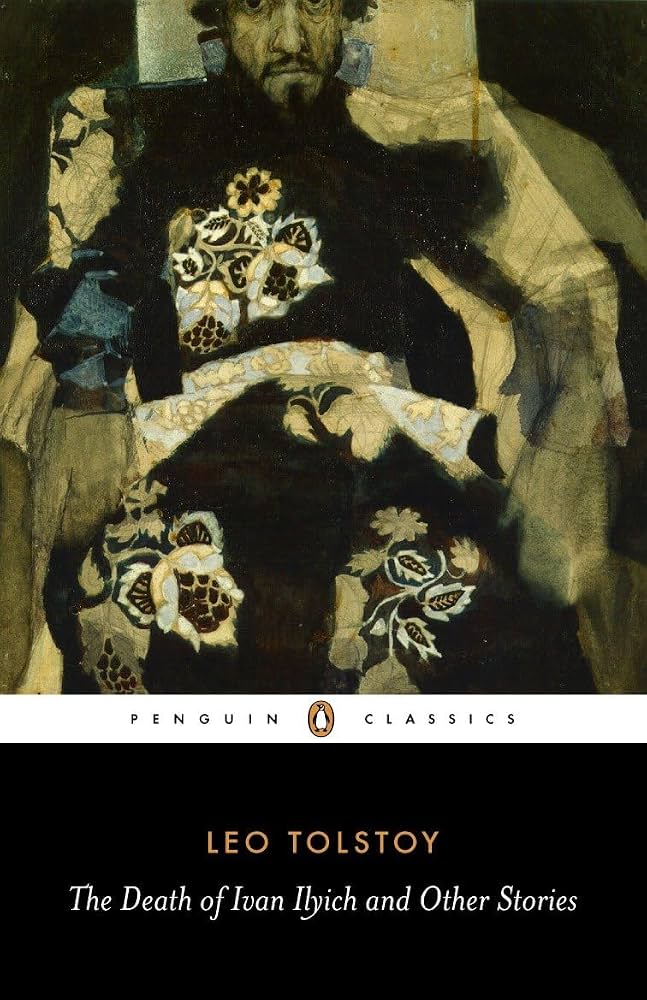
I realise that ending a November reading list with a book about death is perhaps not the most cheerful suggestion. Bear with me.
Tolstoy's The Death of Ivan Ilyich follows a successful judge whose seemingly comfortable life is interrupted by a serious illness. As he confronts his mortality, he begins questioning the choices he has made and whether the life he worked so hard to build was actually the life he wanted.
It is a relatively short novella, but it manages to ask some rather enormous questions. What makes a life meaningful? How much of what we pursue is genuinely important to us, and how much is simply what we have been taught to value? And how often do we postpone thinking about these things because we assume there will always be more time?
It isn't exactly light bedtime reading, I'll admit. But Tolstoy has a way of making you think about ordinary life in a completely different way. Sometimes a book doesn't need to make you feel good to be worth reading.
So, what do these books have in common?
Not much, at least on the surface. One explores group therapy, another takes us into the life of an ordinary academic, and another follows a butler who might benefit from being a little more honest with himself.
But they all have something to say about people. About the things we want, the things we avoid, the relationships we struggle with and the stories we tell ourselves along the way.
I suppose that is part of what makes reading so interesting. You can spend an afternoon inside somebody else's mind without having to agree with them, like them or even particularly understand them. Sometimes you recognise something familiar. Other times, you come across a character whose decisions leave you completely baffled.
And perhaps that's the point.
Not every book needs to offer advice. Not every story needs a lesson. Sometimes it's enough to read something that makes you stop for a moment and think about the people around you, or perhaps yourself.
So, if you're looking for something to read this November, I'd suggest leaving the self-help shelf alone for a little while. There are plenty of interesting people waiting for you in fiction. Some of them are even more complicated than the people you meet in real life.