
In Cyprus, coffee comes before food — not just in sequence, but in meaning. You sit first, you talk first, you pause first. Food follows naturally, unfolding slowly, generously and with memory attached. This guide reflects that rhythm: coffee first, then food, exactly as it happens in real life.
Coffee Culture in Cyprus: A Ritual, Not a Habit
Coffee in Cyprus is not about productivity. It is about presence.
People do not “grab” coffee. They sit with it. A single cup can stretch into an hour of conversation, observation or silence. Leaving immediately after finishing your coffee can feel abrupt, almost impolite.
Cypriot coffee
Finely ground, unfiltered coffee boiled slowly with water and sugar, then served in a small cup. It is ordered sketos (no sugar), metrios (medium) or glykos (sweet). The grounds settle at the bottom and are never stirred or drunk.
This is coffee for conversation, reflection and time that is allowed to pass.
Frappe — the quiet controversy
Frappe was once the undisputed coffee of Cyprus. For decades, it defined summer afternoons, plastic chairs, shaded pavements and endless discussions. It was loud, foamy and proudly unsophisticated.
Today, especially in cities, specialty coffee culture has taken over. Espresso-based drinks, careful brewing and quality beans dominate. And yet, frappe has not disappeared. It still has loyal admirers — often nostalgic, often stubborn, often unapologetic.
Choosing frappe today is almost a declaration of identity.
Freddo espresso & freddo cappuccino
Cold espresso-based coffees that have become fully integrated into everyday life. Efficient, modern and reliable — the compromise between tradition and contemporary city rhythms.
In Cyprus, even modern coffee is meant to be enjoyed slowly.
Food in Cyprus: How It Is Meant to Be Eaten
Food in Cyprus is shared, abundant and unhurried.
Meals are rarely individual. Dishes arrive at the centre of the table. Portions are generous by instinct, not calculation. Recipes are flexible but recognisable, passed down through observation rather than instruction.
If food keeps arriving, it is not excess — it is hospitality.
The Foundations of Cypriot Cooking
Cypriot cuisine grew from necessity. Olive oil, cracked wheat (pourgouri), legumes, herbs, vegetables, dairy and meat form the backbone. Spices are restrained. Flavour comes from time, fermentation, sun and patience, not from complexity. Many dishes exist because they could be preserved, shared or cooked slowly in communal ovens.
Main Dishes & Oven-Cooked Classics
Makaronia tou fournou
Baked pasta layered with minced meat and béchamel. Rich, comforting and ceremonial. Traditionally prepared for Sundays, celebrations and gatherings. This is food that fills the house with smell long before it reaches the table.
Ravioles me halloumi
Fresh pasta filled with halloumi, usually served simply with butter or a light sauce. A distinctly Cypriot interpretation of pasta — restrained, dairy-forward and quietly confident.
Afelia
Pork cooked slowly in red wine with crushed coriander seeds. Deeply aromatic, slightly acidic and unmistakably Cypriot. A dish that tastes like patience and winter kitchens.
Tavas
Lamb or goat baked slowly with rice and spices until flavours merge into one dense, comforting whole. Traditionally linked to large gatherings and festive occasions.
Karaolous
Snails cooked in tomato sauce with onion and herbs. Seasonal and rural, tied to spring and countryside life. A dish that divides opinions — but remains deeply traditional.
Grain-Based, Vegetable & Everyday Dishes
Pourgouri
Cracked wheat used instead of rice in many dishes. Nutty, filling and deeply rooted in Cypriot cooking. It reflects a cuisine shaped by frugality and balance.
Moutzentra
Rice and lentils cooked together with onion and cumin. Simple, vegan and comforting. Everyday food with no pretence, quietly nourishing.
Kolokasi
Taro root cooked slowly in tomato sauce, often with celery and sometimes pork. Earthy, slightly sweet and closely tied to Cypriot soil and farming traditions.
Keftedes
Fried meatballs with herbs, onion and potato. Familiar, comforting and present at family tables, celebrations and informal meals alike.
Vegan & Fasting Traditions
Plant-based food in Cyprus is not new — it is historical.
Religious fasting and agricultural necessity shaped a rich vegan tradition long before modern labels existed.
Louvia (black-eyed peas) cooked with greens and olive oil
Legume-based dishes of the Kokkinochoria, shaped by red soil and seasonal farming
Vegetable dishes designed to sustain, not impress.
These foods are humble, filling and quietly sophisticated.
Cheese & Dairy
Halloumi / Hellim
The island’s defining cheese. Firm, salty and able to withstand heat without melting. Eaten fresh, grilled or fried, often paired with watermelon in summer.
Anari
Soft whey cheese, mild and slightly sweet. Used in savoury dishes, pastries or desserts.
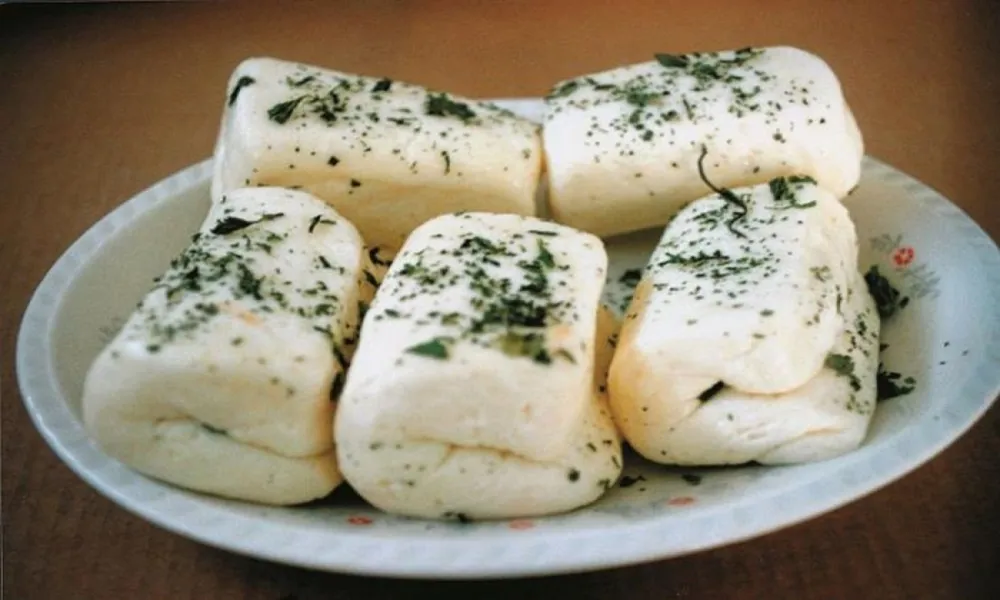
Halitzi
A traditional Cypriot cheese, less known outside the island. Firm, lightly salty and tied to local dairy practices and small-scale production.
Dairy in Cyprus follows the rhythm of pastoral life, not mass production.
Pastries & Savoury Bakes
Eliopita
Olive bread or olive pastry made with olive oil and olives. Dense, aromatic and everyday.
Flaounes
Easter pastries filled with cheese, eggs and spices. Prepared once a year, deeply symbolic and never casual.
Pitta tis satzis
A rich savoury pie associated with fairs and celebrations. Hearty, rustic and unmistakably local.
Koupes
Bulgur wheat shells filled with minced meat and spices, fried until crisp. Food made for sharing.
Desserts & Sweets
Glyka tou koutaliou
Fruit preserved in syrup and served by the spoon to guests. A gesture of welcome rather than indulgence.
Loukoumi Geroskipou
Soft, aromatic and dusted with sugar. Protected and specific to Cyprus, with a long tradition of craftsmanship.
Daktyla
Crisp pastry rolls filled with nuts and lightly soaked in syrup. Elegant, festive and old-fashioned.
Anarokrema
Creamy anari used in desserts or served simply with honey and cinnamon. Gentle, understated sweetness.
Wine & Traditional Drinks
Commandaria
One of the oldest named wines still in production. Sweet, made from sun-dried grapes, tied to history, ceremony and continuity.
Indigenous Cypriot grape varieties
- Xynisteri (white)
- Maratheftiko (red)
These grapes exist only in Cyprus. Wine here is agricultural, not ornamental.
Zivania
Clear, powerful grape spirit, served in small quantities as a sign of welcome.
Unwritten Food Rules
- Food is shared
- Second servings are expected
- Coffee deserves time
- Compliments matter
- Recipes carry memory