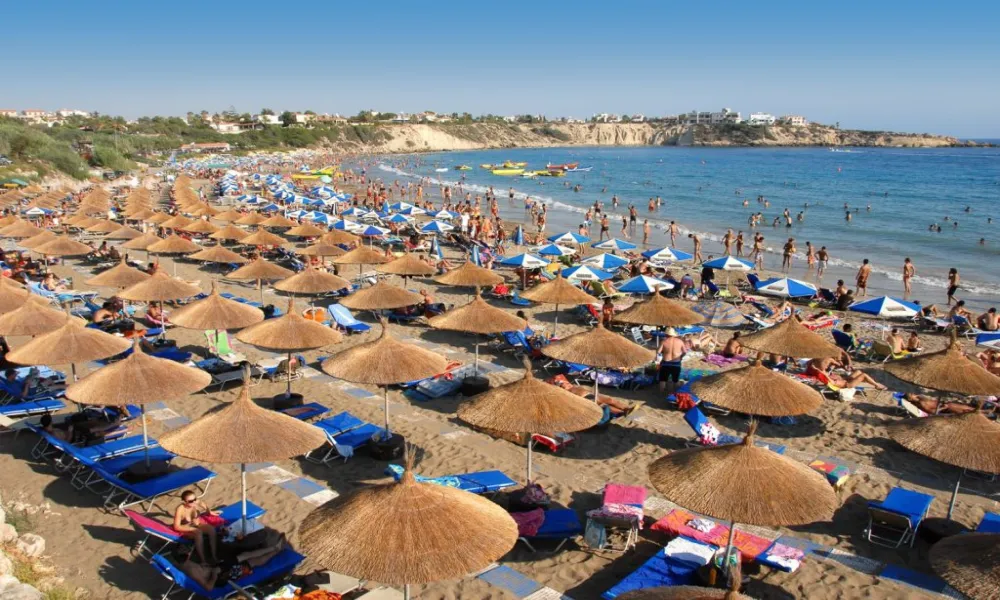
Cyprus is taking concrete steps to reshape its tourism sector for the next decade, combining sustainability, digital innovation, and local community support. The Deputy Ministry of Tourism is implementing the European Tourism Agenda 2030 through targeted incentives, research projects, and strategic investments, aiming to make tourism both resilient and high-quality. Industry leaders, financial institutions, and tech experts at a recent STEK conference emphasized that the focus is no longer just on visitor numbers, but on enhancing authenticity, environmental responsibility, and competitiveness in a rapidly evolving global market.
Agenda 2030 into practice
Deputy Minister of Tourism Costas Koumis outlined how Cyprus is applying the five pillars of the European Tourism Agenda 2030: green transition, digital transformation, resilience building, social inclusion, and skills development, along with updated legislative frameworks.
He emphasised that sustainable tourism is not optional, it is “the only path forward” to safeguard the sector against future challenges, including climate change and global competition.
The Deputy Ministry is also utilizing the Recovery and Resilience Facility, with over €20 million directed to tourism businesses and local communities, particularly in rural, mountainous, and remote areas. Incentive schemes are being designed to support local products, authenticity, digital upgrades, and sustainability initiatives. Koumis highlighted that investments are aimed not only at short-term growth but at shaping the “next day” of tourism in Cyprus.
is insufficient and the sector must prioritise authenticity and
environmental stewardship.
Future-Oriented Planning and Research
The Ministry’s 2026 budget includes funds for revising the Strategic Environmental Impact Assessment for the National Tourism Strategy and for studies developing modern, sustainable models of tourism management. Research on nature and rural tourism is also planned to enhance outdoor and eco-tourism activities.
Koumis noted that the sector faces ongoing challenges and uncertainties, citing recent global events, and highlighted Cyprus’ upcoming Presidency of the Council of the European Union as an opportunity to showcase excellence in hospitality.
Perspectives on sustainability
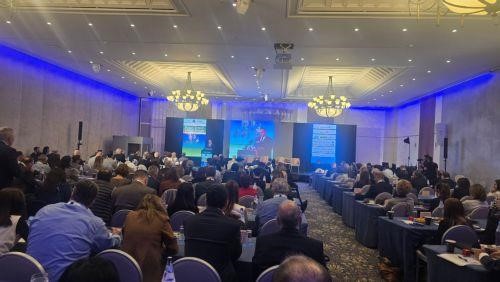
STEK President Akis Vavlitis stressed that sustainability is no longer a choice but a strategic necessity. The traditional volume-driven model is insufficient and the sector must prioritise quality, authenticity, environmental stewardship, and social cohesion, he said. He highlighted the need for coordinated national strategies, measurable goals, and targeted incentives for energy transition, circular economy, and digitalization, alongside education and workforce skill development.
Financial and technological support
Eurobank Head of Commercial Banking Antonis Nicolaides noted the tourism industry’s enduring role as the backbone of the Cypriot economy and the bank’s readiness to finance sustainable projects. Former EIB Vice-President Kyriakos Kakouris emphasised the importance of collaboration between government, banks, and international institutions to finance climate-resilient tourism initiatives.
Technology is also reshaping tourism. Google Account Manager Thanos Papageorgiou highlighted trends indicating over 2.4 billion global trips by 2040 and the rise of new travel hotspots, including Cyprus, driven by digital search behavior and changing traveler demographics. Hermes Airports Director Maria Kouroupi spoke on the aviation sector’s role in sustainability and the need for collective efforts to improve Cyprus’ tourism offering.
Tourism Officer Konstantinos Tsiappas presented data on tourist arrivals and satisfaction, highlighting visitor experience as a central focus of national strategy. STEK and industry partners are working to ensure tourism growth strengthens local communities, protects natural resources, and builds a resilient, high-quality tourism product for future generations.