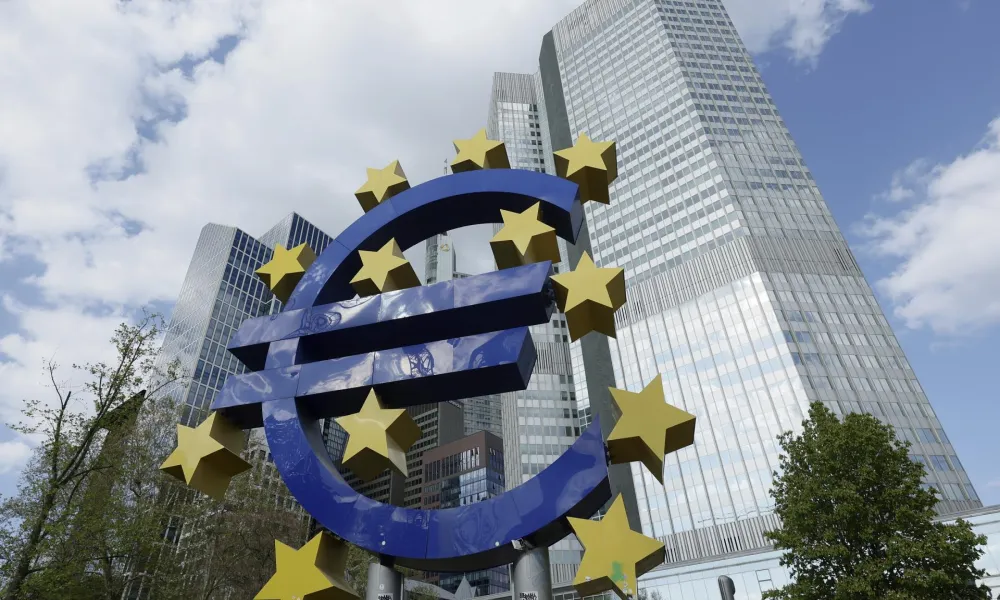
A sustained conflict in the Middle East and continued disruption to energy supplies could lead to a sharp rise in inflation and weaken economic activity across the euro area, according to the European Central Bank. Senior officials have indicated that the scale and duration of the conflict will determine the medium-term impact on price stability.
ECB assessment of energy and inflation risks
European Central Bank has warned that a sharp increase in energy prices would place upward pressure on inflation, particularly in the short term.
Chief Economist and Executive Board member Philip Lane told the Financial Times in an interview published on Tuesday that higher energy costs would directly affect price developments. According to a transcript released by the central bank, he added that the conflict would also be negative for economic activity.
Lane referred to ECB analysis conducted in 2023, which showed that a lasting reduction in energy supplies and disruption to regional economic activity would result in a significant increase in inflation driven by the energy sector, alongside a sharp decline in output.
Disruption to global energy flows
Energy flows have been affected following attacks by the United States and Israel on the Islamic Republic and retaliatory actions by Iran in the region. The Strait of Hormuz, through which approximately one fifth of global oil supplies transit, has effectively been closed.
Qatar has also halted liquefied natural gas production after Iranian attacks on state LNG processing facilities.
Both oil and natural gas prices have risen sharply since the start of the war last weekend.
Market estimates of inflation impact
Lane stated that the magnitude of the effects, including on medium-term inflation, would depend on the breadth and duration of the conflict, adding that the ECB would closely monitor developments.
Holger Schmieding, chief economist at Berenberg, said that a sustained increase in oil prices of 15 US dollars per barrel could raise consumer prices in the euro area by nearly 0.5 percentage points.
Research group Capital Economics estimated that a persistent rise in energy prices could add around 0.3 percentage points to inflation.
Current inflation and interest rate setting
After surging in 2022 due to the energy shock triggered by Russia’s invasion of Ukraine, inflation has recently eased to around the ECB’s 2 per cent target in the euro area.
The Frankfurt-based central bank has kept its key interest rate unchanged at 2 per cent since June last year. Its next monetary policy meeting is scheduled for 19 March.
Source: CNA– AFP