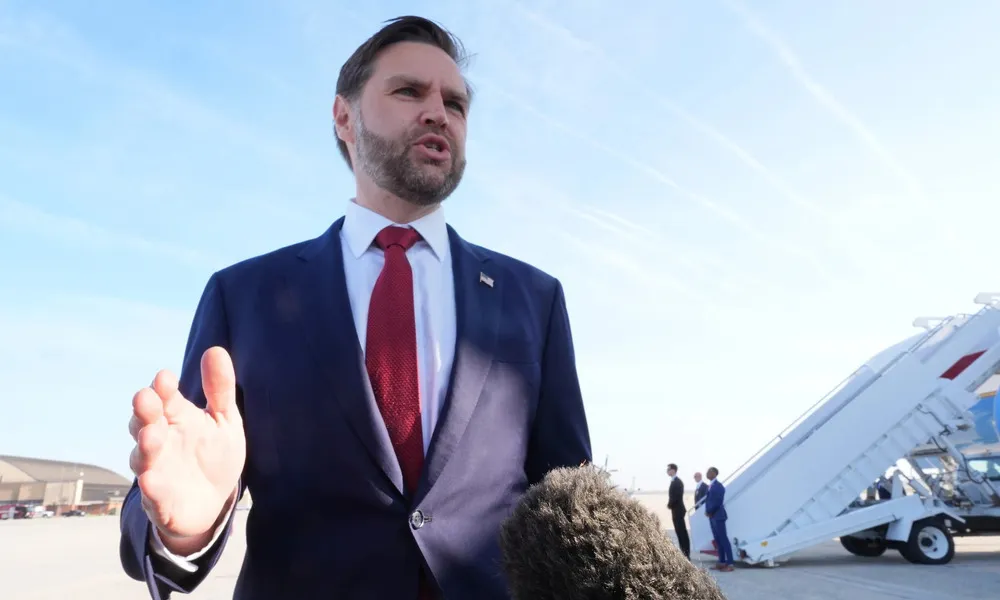
Vance is expected to arrive in Pakistan just as the ceasefire deadline approaches, formally around midnight on 21 April. There is currently no agreement to extend the ceasefire, and it remains unclear whether Iran will attend the talks.
Donald Trump’s envoys, Steve Witkoff and Jared Kushner, are also expected to travel to Islamabad to take part in the negotiations.
At the same time, Donald Trump has threatened to launch a new air campaign targeting bridges and power stations in Iran if a deal is not reached.
The former US president has stated that he will not rush into signing a bad agreement, though he has not ruled out the possibility of a short extension to the deadline. In practice, Axios notes that Trump has already effectively added extra time, stating on Monday that the deadline now runs until Wednesday evening.
Waiting For Tehran
According to Axios, the White House spent Monday waiting for a signal from Tehran confirming whether Iran would send a negotiating delegation to Islamabad.
However, a source familiar with the matter said the Iranian side delayed its response amid pressure from the Islamic Revolutionary Guard Corps, which urged negotiators to maintain a harder stance, insisting that no talks should take place unless the US blockade is lifted.
Iran’s negotiating team was also reportedly waiting for the approval of the Supreme Leader, which was granted late on Monday evening.
Meanwhile, political leaders in Tehran have been sending their own messages regarding the negotiations.
Iran’s Parliament Speaker, Mohammad Bagher Ghalibaf, said that Iran will not negotiate under the shadow of threats. In a message posted around midnight on Monday, he stated that Donald Trump, by imposing a siege and violating the ceasefire, is attempting to turn the negotiating table into what he described as a table of surrender, or to justify the resumption of military escalation.
He added that Iran does not accept negotiations conducted under threats and that over the past two weeks the country has prepared to reveal new cards on the battlefield.
Earlier on Monday, Iranian Foreign Minister Abbas Araghchi told his Pakistani counterpart Ishaq Dar that the ongoing ceasefire violations by the United States represent a major obstacle to continuing the diplomatic process, according to a statement issued by the Iranian Foreign Ministry.
Araghchi noted that Iran will carefully assess the conditions before deciding the path it will follow.
At the same time, Iranian Foreign Ministry spokesperson Esmail Baghaei said during a briefing that the Islamic Republic has not yet decided whether it will hold new talks with Washington, adding that no new round of negotiations has been scheduled.
The first round of negotiations held in the Pakistani capital Islamabad ended without results.
Source: protothema.gr